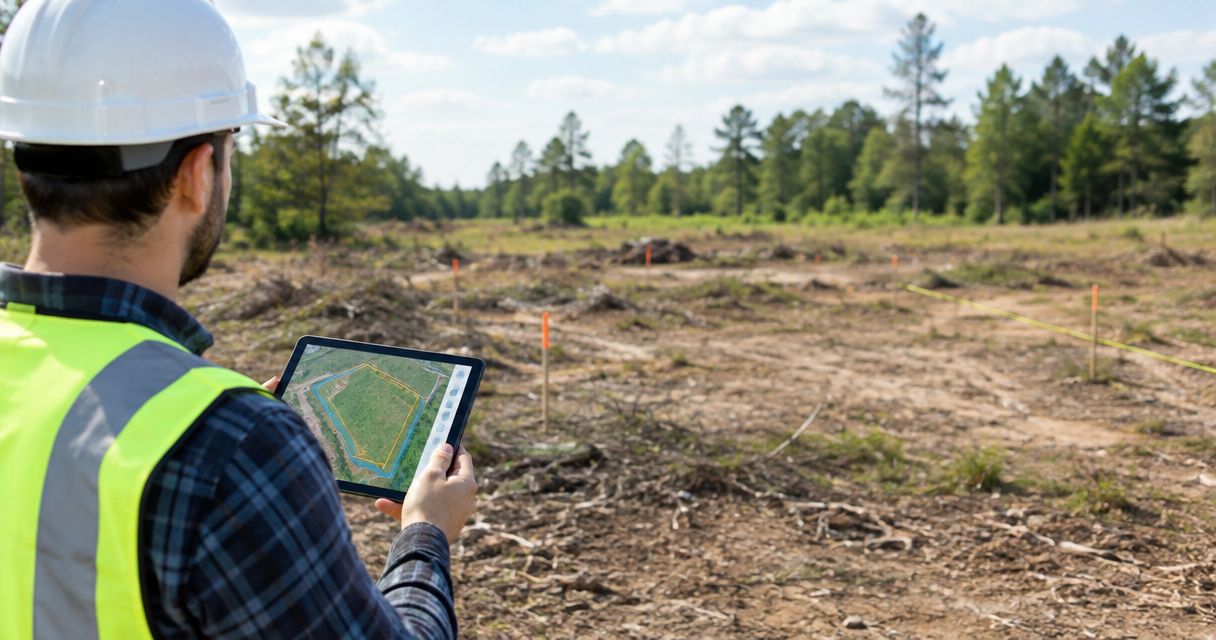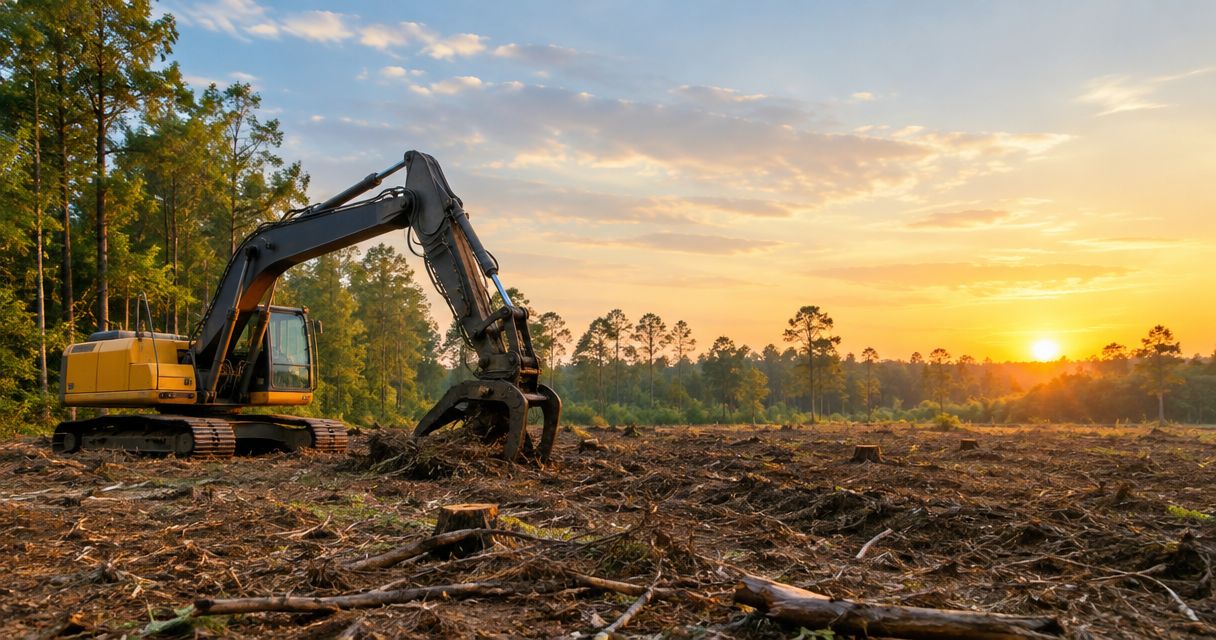
Best overall: winter for dormant vegetation and clearer views through deciduous growth. Best for coordinating follow-on work: fall. Best for inspecting new growth: spring. Summer suits deadline-led projects when ground conditions allow. For your 2026 plan, Pmmidlands is a tree-services contact for a site-specific land-clearing assessment within its confirmed South Carolina service area.
- Best time of year land clearing South Carolina: winter, provided soil conditions and access support the work.
- Fall suits land clearing coordinated with later construction; spring exposes new growth; summer requires attention to heat and weather.
- Pmmidlands serves Richland, Lexington, Newberry, Orangeburg, Sumter, Kershaw, and Fairfield counties in South Carolina.
- Request a site-specific quote covering clearing boundaries, retained trees, stumps, debris, access, and ground protection.
Why timing matters more than the calendar
Winter is the default planning window, not permission to work on wet ground. Less foliage on deciduous trees helps reveal the vegetation and obstacles you need to assess, but saturated soil can make an otherwise sensible date unsuitable.
The right clearing date also depends on what happens afterward. A lot prepared for a driveway needs a different handoff from a property cleared simply to regain access. Schedule the job around both the site's condition and its next use.
For a 2026 project, separate your preferred season from your actual authorization to start. Choose the season early; confirm the working conditions during the site assessment and again before work begins.
What makes the best land-clearing season?
Use these criteria before choosing a date:
- Ground conditions: Soil must support the proposed work without unacceptable rutting or damage to areas you want preserved.
- Vegetation visibility: Seasonal leaf cover changes how easily you can inspect understory growth, trunks, fences, and other obstacles.
- Access: Gates, slopes, driveways, overhead obstructions, and soft entry routes affect the plan in every season.
- Follow-on work: Clearing should connect logically with drainage work, construction, landscaping, or another defined use.
- Site protection: Retained trees, exposed soil, property boundaries, and nearby structures need a clear protection plan.
- Weather flexibility: A workable schedule needs room to respond to rain, storms, and unsuitable ground.
Do not rank a season by assumed savings. Compare written scopes for the same property conditions and the same finished result instead.
Land-clearing seasons at a glance
| Rank and season | Best for | Standout advantage | Key limitation |
|---|---|---|---|
| 1. Winter | Inspecting dormant deciduous growth | Reduced leaf cover improves visibility | Rain and saturated soil can still prevent work |
| 2. Fall | Coordinating clearing with later site work | Creates a planning window before subsequent project stages | Storms, wet ground, and leaf cover remain considerations |
| 3. Spring | Assessing active vegetation and selective clearing | New growth helps identify what occupies the site | Growing foliage obscures sightlines; wet ground still matters |
| 4. Summer | Projects driven by a necessary deadline | Clearing can proceed without waiting for dormancy when conditions suit | Heat, dense foliage, and storms complicate planning |
These rankings concern scheduling suitability, not contractor availability. A dry, accessible spring site is a better working choice than a saturated winter site.
1. Winter: best land-clearing season for visibility
Winter is the strongest starting point when your property contains substantial deciduous trees and brush. After leaves drop, you can see more of the site's structure and discuss what should stay without looking through the same amount of foliage.
That advantage is visibility—not guaranteed hard ground. Do not assume a South Carolina winter gives you frozen soil capable of supporting the proposed work.
Winter pros:
- Reduced deciduous leaf cover improves views through wooded areas.
- Dormant growth helps you focus the discussion on trunks, boundaries, and retained trees.
- A winter target provides a clear milestone for planning later site work.
Winter cons:
- Wet soil can make access unsuitable despite the season.
- Evergreen vegetation still blocks views.
- Bare deciduous trees do not reveal every underground or concealed obstacle.
Best for: Homeowners and property managers who need to define clearing boundaries through deciduous growth before committing to a scope.
For a winter 2026 project, request the assessment before treating a preferred date as fixed. Ask how the contractor will respond if the access route or work area becomes saturated.
Verdict: Buy—choose winter as your preferred window, subject to a site assessment.
2. Fall: best land-clearing season for project sequencing
Fall suits owners who want clearing to support a later construction or landscape stage. The practical advantage is coordination: you can agree on what gets cleared, what remains, and how the next contractor receives the site.
Do not confuse clearing with a construction-ready finish. Removing vegetation does not automatically include stump removal, grading, drainage work, or a finished driveway base.
Fall pros:
- Gives you a defined opportunity to coordinate subsequent work.
- Supports a deliberate discussion about retained trees and access routes.
- Lets you plan soil protection before leaving a cleared area unused.
Fall cons:
- Leaf cover varies with vegetation and timing.
- Storms and wet conditions can disrupt the proposed sequence.
- A long gap before construction leaves exposed ground needing attention.
Best for: Property owners who already know the next use of the land and can coordinate the handoff.
If fall 2026 is your target, ask the next contractor what condition the site must be left in. Put that requirement into the clearing scope rather than assuming both contractors mean the same thing by ready.
Verdict: Buy—choose fall when the clearing scope and next project stage are aligned.
3. Spring: best land-clearing season for inspecting new growth
Spring helps you assess the vegetation returning across an overgrown property. That matters when you want selective clearing rather than removal of everything inside a broad boundary.
Use the assessment to distinguish plants and trees you want retained from growth you want removed. Do not rely on verbal directions such as clearing everything beyond the big tree.
Spring pros:
- Active growth helps reveal where vegetation is returning.
- Supports decisions about selective removal and retained areas.
- Allows the scope to reflect what is visible on the property now.
Spring cons:
- Increasing foliage reduces visibility through dense areas.
- Wet ground can restrict access or require postponement.
- Clearing alone does not establish a long-term vegetation-management plan.
Best for: Owners reclaiming selected parts of a property while keeping specified trees or planted areas.
Mark retained areas before work starts and ask how those boundaries will be communicated. Include a maintenance discussion if keeping the cleared area open is part of your goal.
Verdict: Hold—choose spring after confirming selective-clearing boundaries and suitable access.
4. Summer: best land-clearing season for deadline-led projects
Summer is an option when a necessary project cannot sensibly wait for dormant vegetation. The decision should rest on workable access, a defined scope, and a weather-aware plan—not simply an open date on your calendar.
Dense foliage makes the initial inspection especially important. Heat and storms also belong in the scheduling conversation, without turning either into a promised delay or completion date.
Summer pros:
- Lets a necessary project proceed without waiting for another season.
- Shows the full extent of leafy growth during the assessment.
- Supports coordination with an existing project schedule when conditions permit.
Summer cons:
- Dense vegetation obscures obstacles and sightlines.
- Hot conditions affect how outdoor work is organized.
- Storms and wet access routes can change the working plan.
Best for: Owners with a defined project requirement and enough flexibility to respond to actual conditions.
Do not use an approaching deadline to bypass boundary marking, utility planning, or a discussion about debris. A rushed scope creates disagreements that a different season will not solve.
Verdict: Hold—proceed in summer only when the site assessment supports the plan.
Use these checks before choosing a date
Your site's condition outranks its place on the calendar. Use these 3 scheduling checks with the contractor before you confirm the work:
- Ground readiness: Can the access route and clearing area support the proposed work without unacceptable damage?
- Scope readiness: Are removal limits, retained trees, stumps, and debris responsibilities clearly agreed?
- Project readiness: Is there a plan for exposed ground and the next use of the cleared area?
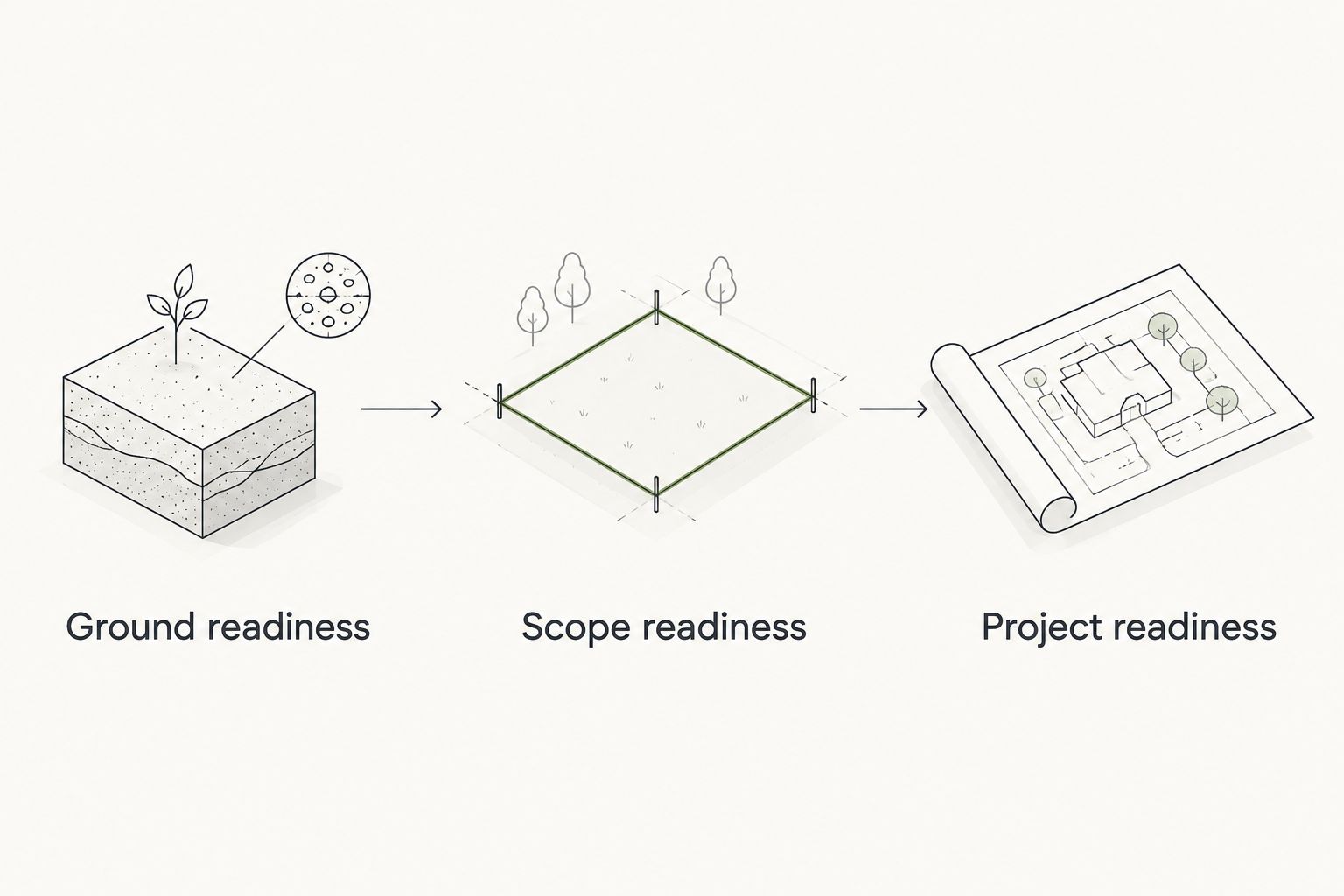
A failed check does not automatically mean waiting for another season. It means resolving the specific issue first: adjusting access, clarifying the scope, or coordinating the next stage. Read the guide to preparing a property for lot clearing before the assessment.
Request a quote that matches the finished result
Pmmidlands land-clearing inquiries should identify the property county and what you want the cleared area to become. Its confirmed service area covers Richland, Lexington, Newberry, Orangeburg, Sumter, Kershaw, and Fairfield counties in South Carolina.
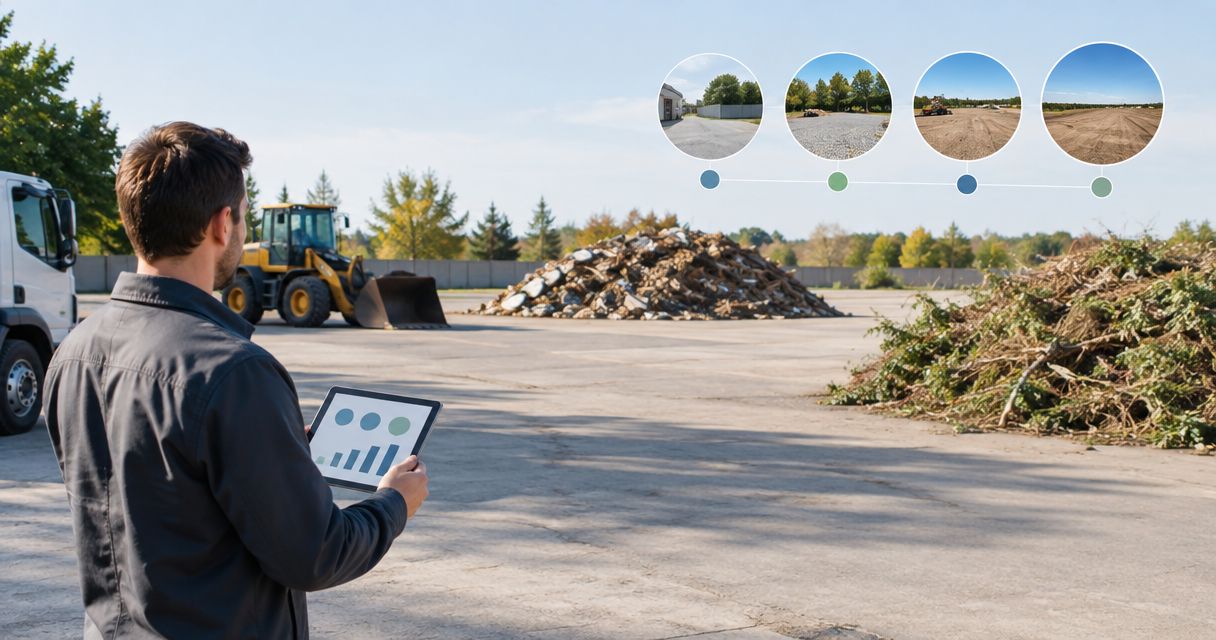
Send 4 photo views where you can take them safely: the entrance, the overall clearing area, the densest growth, and nearby features needing protection. Photos support the discussion; they do not replace an assessment of ground conditions or hidden obstacles.
Write 2 lists: what must go and what must stay. Then ask for a written scope addressing:
- Clearing limits and any areas excluded from the work.
- Trees or vegetation to retain and protect.
- Whether stump work is included.
- Whether debris stays onsite or is removed.
- Access arrangements and protection of nearby surfaces.
- Responsibility for exposed soil and follow-on work.
- How unsuitable weather or ground conditions affect scheduling.
For your 2026 quote request, give your preferred season and explain any real project deadline. Request a site-specific assessment rather than a guaranteed completion date based only on acreage or photographs.
Request a site-specific clearing quote
Explain your property location, clearing goals, access, and preferred season.
How the seasons are ranked
Winter ranks first for visibility through dormant deciduous growth. Fall follows for project coordination, spring for assessing active vegetation, and summer for necessary deadline-led work.
The ranking uses the criteria above: ground conditions, visibility, access, follow-on work, site protection, and weather flexibility. It does not establish a universal working calendar or promise that a contractor can start in a particular season.
Which season should you choose?
Choose winter by default, then let the assessment confirm or reject that target. Choose fall when the handoff to later work is the deciding factor, spring when selective vegetation decisions matter most, and summer when a necessary project has a workable site and schedule.
Pmmidlands is a local tree-services contact for owners seeking a site-specific land-clearing assessment within the seven confirmed South Carolina counties. Start with the property and desired result; settle the working date afterward.
FAQ
What's the best time of year for land clearing in South Carolina?
Winter is the default planning choice for sites with deciduous growth because reduced leaf cover improves visibility. Suitable soil conditions, access, and the next project stage still determine whether work should proceed.
Is winter land clearing better than summer land clearing?
Winter is better for seeing through dormant deciduous vegetation, but it is not automatically better for ground conditions. A suitable summer site can be a better working choice than a saturated winter site.
Can I schedule land clearing during a rainy period?
Request an assessment, but do not treat a date as confirmed without considering soil and access conditions. Ask how the contractor handles postponement when the ground cannot support the proposed work.
Should I clear land before planning a new driveway?
Define the driveway route and required site condition before agreeing to clearing. Vegetation removal, stump work, grading, drainage, and driveway construction are separate scope questions.
Does land clearing include stump and debris removal?
Land clearing includes stump and debris removal only when the agreed scope says so. Ask what remains onsite and what condition the property will be left in.
How do I request a land-clearing quote from Pmmidlands?
Provide your property county, clearing goals, access details, and preferred season, then request a site-specific assessment. Identify retained trees and ask for written terms covering stumps, debris, and ground protection.
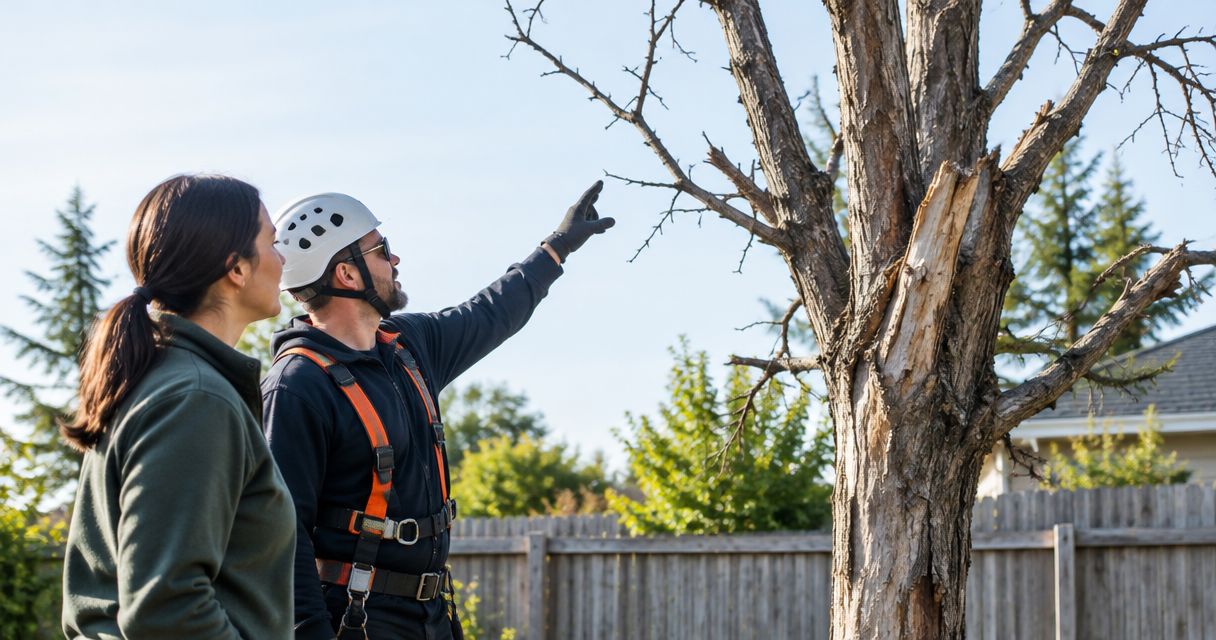
Should I wait until winter to deal with a dangerous tree?
Do not postpone a tree-hazard assessment just to reach a preferred clearing season. Keep people away from the affected area and seek appropriate assistance; stay clear of trees contacting utility lines.
One last thing
The best clearing date can be the wrong date to leave soil exposed. Before approving your 2026 schedule, identify who handles the ground after vegetation removal and what happens if the next project stage is delayed. A clear handoff matters more than choosing a season in isolation.