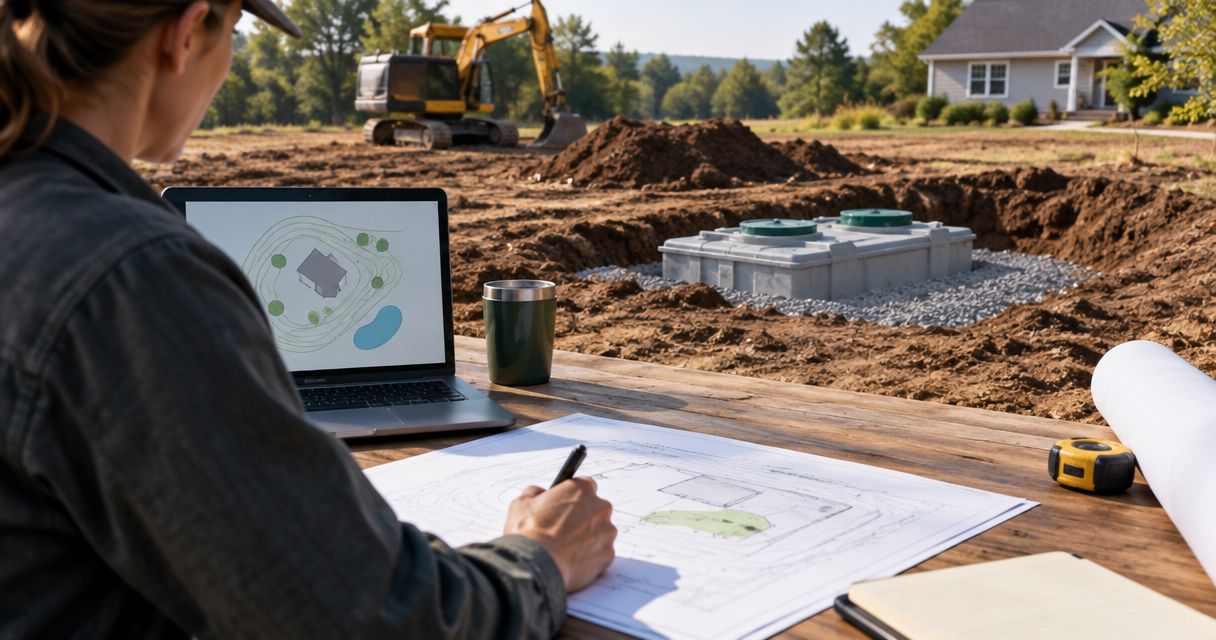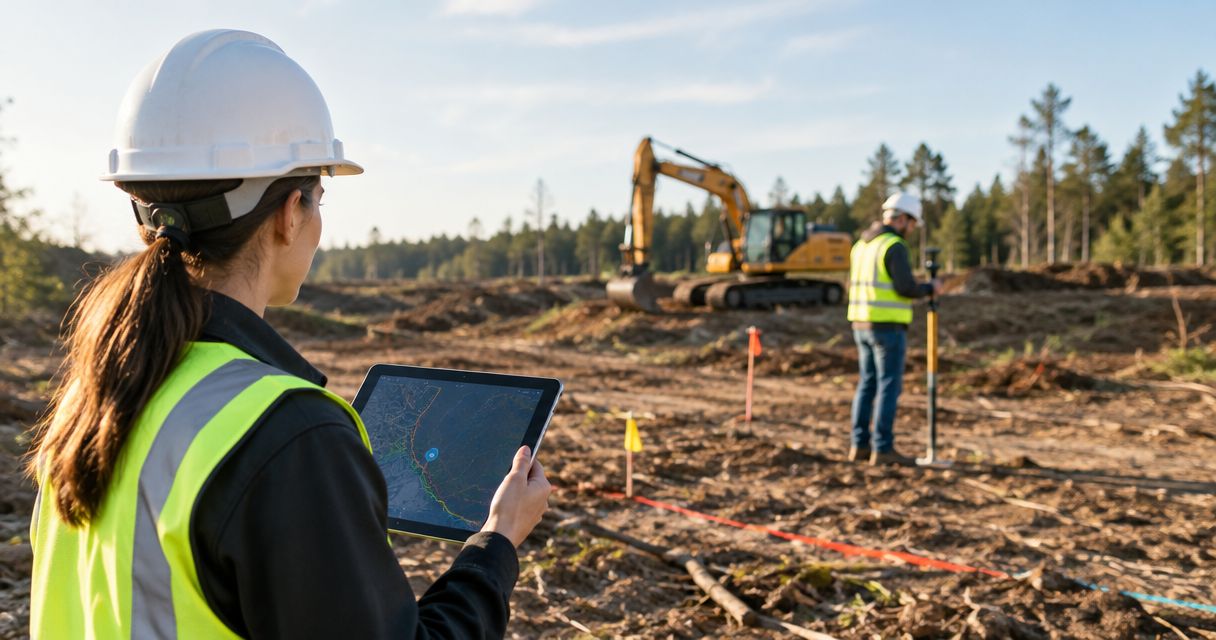
Instead of repeatedly rescheduling crews around an uncertain land clearing building permit timeline, connect your clearing scope to written approval milestones, then release work only when its requirements are satisfied. This guide shows you how to prepare a quote request, confirm the right permissions, and coordinate clearing with construction without treating a submitted application as permission to start.
- Build your land clearing building permit timeline around written permissions, not an estimated construction start date.
- Pmmidlands serves tree-service and lot-clearing customers in seven confirmed South Carolina counties; request a site-specific assessment.
- Confirm clearing, grading, access, and tree-protection requirements separately from the building permit.
- Keep quoting and site assessment moving while approval-dependent fieldwork stays on hold.
Why this matters
A building permit and permission to clear land are not interchangeable. Your project needs confirmation of which approvals cover which activities, including tree removal, stump work, grading, access construction, and erosion controls. Ask the responsible local offices rather than assuming one permit covers the entire job.
For your 2026 project, make the schedule a sequence of release conditions instead of a promise that clearing starts a fixed interval after application. That distinction keeps a tentative date from becoming an instruction to remove trees.
Pmmidlands is a tree-services option for property owners seeking a site-specific lot-clearing quote in its confirmed South Carolina service area. That area includes Richland, Lexington, Newberry, Orangeburg, Sumter, Kershaw, and Fairfield counties. Use Pmmidlands to begin discussing the property; confirm the proposed scope during the assessment.
Before you start
- Gather the property information. Have the parcel identification, site address, available boundary information, proposed building location, access route, and any permit correspondence. You need the actual work area, not just the total parcel size.
- Identify the decision-makers. Know who owns the property, who submits applications, who answers local permitting questions, and who can authorize the contractor to begin. Commercial property managers should confirm their authority to approve the scope.
- Check the hidden dependency. Clearing access, removing stumps, or disturbing soil can involve requirements separate from the building permit. Ask about these activities before scheduling them as preliminary work.
Create one shared project record for your 2026 job. A folder and a simple worksheet are enough; this workflow does not require a particular app or county portal.
Property scope and approval record
Establish the work boundary
- Assemble 1 site plan showing the proposed building area, driveway, work access, retained trees, and intended clearing limits. Label a sketch as preliminary when it is not a surveyed or approved plan.
- Separate the requested work into tree cutting, brush removal, stump work, debris handling, and soil disturbance. Describe the desired result for each activity.
- Identify uncertainties such as an unclear boundary, drainage feature, overhead line, or suspected buried service. Record each as an unresolved question, not an instruction for the crew to investigate by clearing.
- Ask the contractor to assess access and the proposed scope against the plan. Keep preliminary pricing discussions distinct from authorization to perform work.
Expected result: You have a defined clearing request that a contractor and permitting office can discuss without guessing what “clear the lot” means.
Confirm the approval path
- Contact the office responsible for the property's jurisdiction. Verify whether the parcel falls under county or municipal requirements before relying on a county-only checklist.
- Describe the actual activities and ask which permissions apply. Include cutting, grubbing, grading, driveway work, drainage changes, and any protected features identified on the property.
- Ask whether any approvals or required controls must precede clearing. Request written instructions or the applicable published requirements.
- Record the source, response date, activity covered, and unresolved conditions. For a 2026 application, retain the requirements supplied for that project rather than relying on an old checklist.
Expected result: Each proposed activity has an identified approval path or a clearly assigned question awaiting an answer.
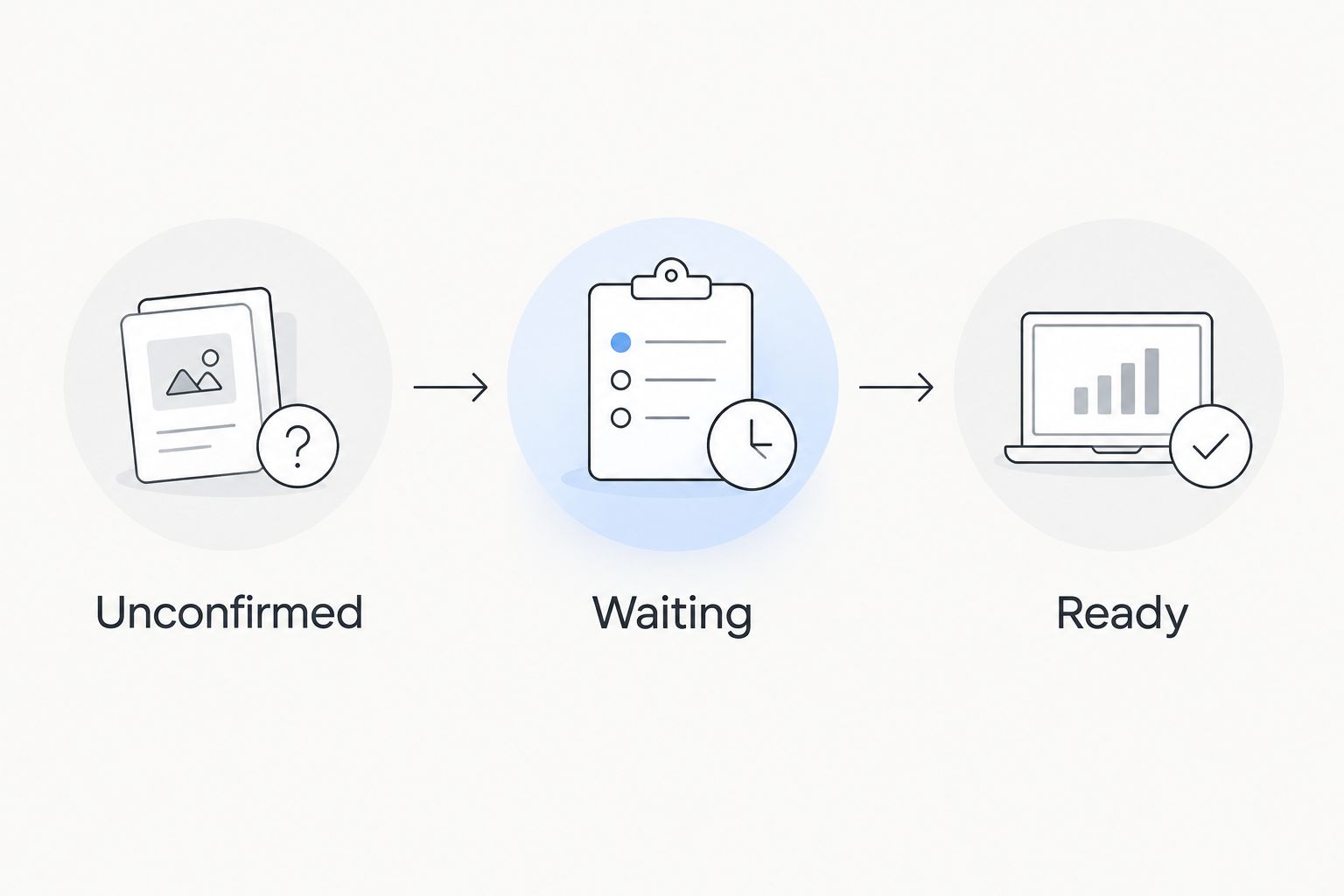
Use 3 status labels in your worksheet: Unconfirmed, Waiting, and Ready. These are project-management labels, not official permit statuses. “Ready” means you have checked the requirements for that activity; it does not replace an authorization document.
Quote scope and conditional scheduling
Prepare the quote request
- Give the contractor the same plan and written scope used for the approval questions. Identify which areas must remain untouched.
- Request separate descriptions for clearing, stump work, debris removal, and any other proposed work. Ask what is excluded rather than assuming a construction-ready finish.
- Describe access restrictions, nearby structures, fences, retained trees, and known utilities. Photographs support the request but do not establish underground conditions or legal boundaries.
- Ask what site conditions need an in-person assessment. For Pmmidlands tree services, keep the request tied to the actual property and requested work; do not assume grading or permit-management responsibilities are included.
Expected result: The quote describes a recognizable job, including exclusions and unresolved site conditions.
A site assessment helps define access and scope; it does not replace local approval. Likewise, a quote is not evidence that a permit has been issued. Keep both documents in the project record, with their different purposes clearly identified.
Build a conditional schedule
- List the milestones that control clearing: scope confirmation, applicable permissions, required site controls, utility coordination, and contractor scheduling.
- Assign an owner to each unresolved item. Someone must be responsible for obtaining the answer and circulating it.
- Mark the proposed fieldwork date as tentative until its release conditions are met. Ask the contractor how to communicate changes before treating that date as confirmed.
- Keep 2 written checkpoints: approval to proceed with the defined scope, then confirmation that the site is ready for the contractor's work. These are recommended project controls, not universal county procedures.
Expected result: You know what must happen before mobilization and who confirms each condition.
For a 2026 land clearing building permit timeline, record dependency dates only after the responsible party supplies them. Do not convert an informal review estimate into a guaranteed start date.
Fieldwork release and construction handoff
Check site readiness
- Verify that the proposed work matches the current plan and applicable written permissions. Resolve differences before releasing the crew.
- Confirm property boundaries and clearing limits through the appropriate documentation and qualified help where needed. Do not treat a neighbor's fence as proof of the boundary.
- Arrange required utility coordination before ground-disturbing work. Ask about private services as well as utilities covered by the locate process; review 811 utility marking before land clearing while planning this step.
- Confirm any required protective measures, access arrangements, and debris destination. Give the contractor one current scope rather than conflicting messages from several project contacts.
Expected result: The crew receives a specific authorized work area, current instructions, and resolved access conditions.
Define the handoff
- Agree on what the clearing contractor leaves behind: retained vegetation, stump condition, debris disposition, and the limits of completed work.
- Ask the builder or next contractor what conditions they require before accepting the site. Identify grading, drainage, compaction, or other work that belongs to a different scope.
- Walk the completed area with the responsible project contact. Compare the result against the agreed clearing scope, not an unstated expectation of a finished building pad.
- Record remaining work and its owner before the next contractor mobilizes.
Expected result: Clearing ends with a documented handoff instead of a dispute over what “ready to build” meant.
Cleared vegetation does not establish that soil is suitable for a foundation. Keep clearing acceptance separate from any engineering, inspection, or site-preparation requirements applicable to construction.
A second workflow: limited work before the main release
Some projects need a narrow access opening or another separately defined activity while the main construction application remains unresolved. Use this variant only after confirming that the specific preliminary work is permitted and its conditions are satisfied.
Ask the responsible office about the exact activity, extent, and location. Then request a separate scope for that work, mark what remains untouched, and document its own release conditions. Never describe an early phase as “just cleanup” to avoid clarifying its requirements.
| Workflow | Best for | Advantage | Limitation |
|---|---|---|---|
| Single release | Owners with a settled scope and no confirmed need for early work | Keeps authorization and contractor instructions together | Fieldwork waits until the full release conditions are satisfied |
| Separate early scope | Projects with a specific preliminary activity confirmed as permissible | Allows that activity to be evaluated independently | Adds scope boundaries and coordination; does not authorize later clearing |
Choose a single release unless a separately approved early scope solves a defined project need. Neither approach justifies clearing beyond confirmed limits.
For commercial properties, name the person who approves scope changes. A tenant's request, a maintenance instruction, and an owner's construction authorization should not become interchangeable directions to the crew.
Troubleshooting permit and clearing conflicts
The application is submitted, but nobody can confirm a start
Keep fieldwork on hold. Ask the responsible office whether the relevant activity is authorized, what conditions remain, and where that decision is documented. Submission confirms receipt of an application, not permission for every proposed activity.
The building location changes after the quote
Issue the revised plan and request a scope review before work begins. A moved driveway or building footprint changes which vegetation, access routes, and retained areas the contractor must evaluate. Update the approval record as well as the quote.
The crew arrives, but access is unsuitable
Stop and reassess the route rather than improvising through a protected area or neighboring property. Confirm permission, clearance, surface conditions, and the contractor's access requirements during the site assessment. Record any unresolved restriction before confirming mobilization.
The lot is cleared, but the builder will not accept it
Compare the completed clearing scope with the builder's stated handoff requirements. Identify the missing work and who is responsible for it. Stump treatment, debris removal, grading, and foundation preparation are not interchangeable tasks.
Customize your workflow
Add a change-control line to the project worksheet: what changed, who approved it, and which documents need updating. This is especially useful when a property manager, owner, builder, and clearing contractor all communicate separately.
When you contact Pmmidlands for a site-specific quote, provide the property location, marked clearing limits, intended next use, access information, and current approval status. Ask which parts of the requested work need a site assessment and which are outside the proposed scope.
Request a site-specific clearing quote
Share your property location, clearing limits, access details, and approval status.
FAQ
Should I clear land before applying for a building permit?
Do not begin clearing solely because you plan to apply for a building permit. Confirm the permissions and conditions for the specific clearing activity with the responsible local office first.
Does a building permit automatically include tree removal?
Do not assume a building permit includes tree removal. Ask which activities the permit covers and whether separate tree, land-disturbance, access, or other requirements apply to your property.
How long should I allow between permit approval and land clearing?
Set that interval from the actual release conditions and the contractor's confirmed schedule, not a universal waiting period. Required site controls, access, utility coordination, and the authorized scope must be resolved before work begins.
Can I get a land clearing quote while my permit is pending?
You can request a site-specific quote while approval questions remain open. Label the scope and schedule as conditional, and update the contractor when the plan or applicable requirements change.
Can I clear a small access route while the main permit is pending?
Confirm permission for the exact access work before starting it. An independently authorized preliminary activity does not authorize the rest of the lot clearing or construction.
Who should coordinate the clearing contractor and builder?
Assign one project contact with authority to circulate the current plan and confirm instructions. The owner, manager, or designated representative should document scope changes and handoff requirements.
What should I send with a land clearing quote request?
Send the site location, proposed clearing limits, available plan, access details, photographs, and approval status. Identify retained trees, known utilities, structures, and unresolved boundaries so the contractor can assess the actual job.
One last thing
Before releasing your 2026 clearing work, ask: “Which document authorizes this exact activity in this exact area?” If the answer is only a construction start date, a submitted application, or a verbal assumption, the release condition is unresolved. Fix that gap before changing the property.