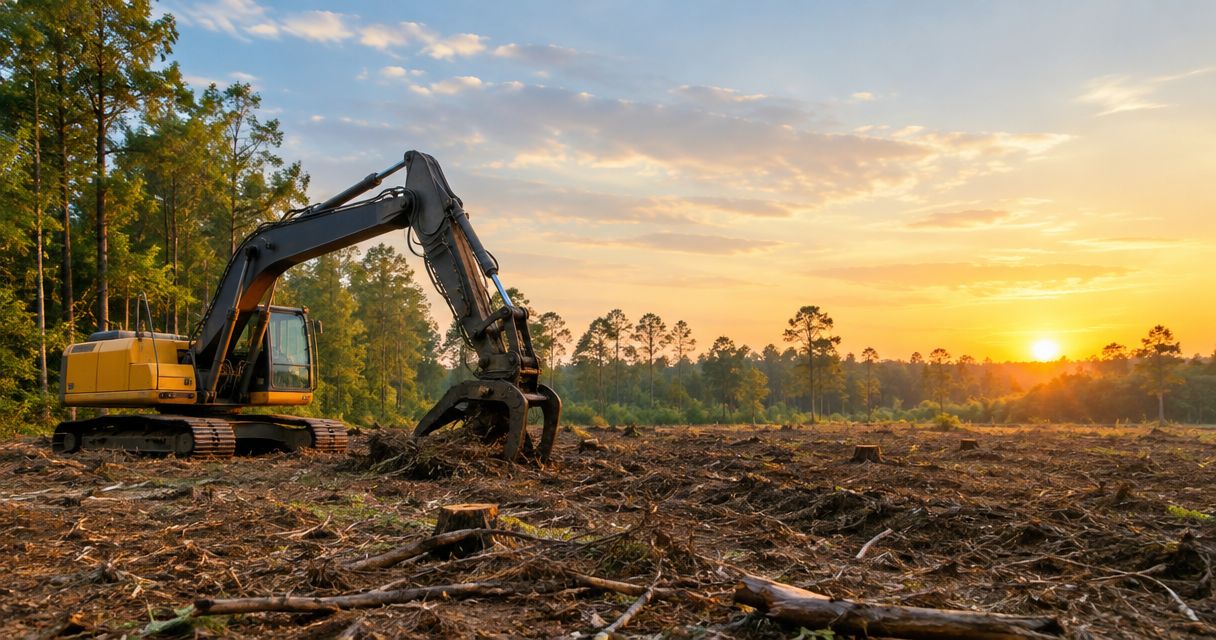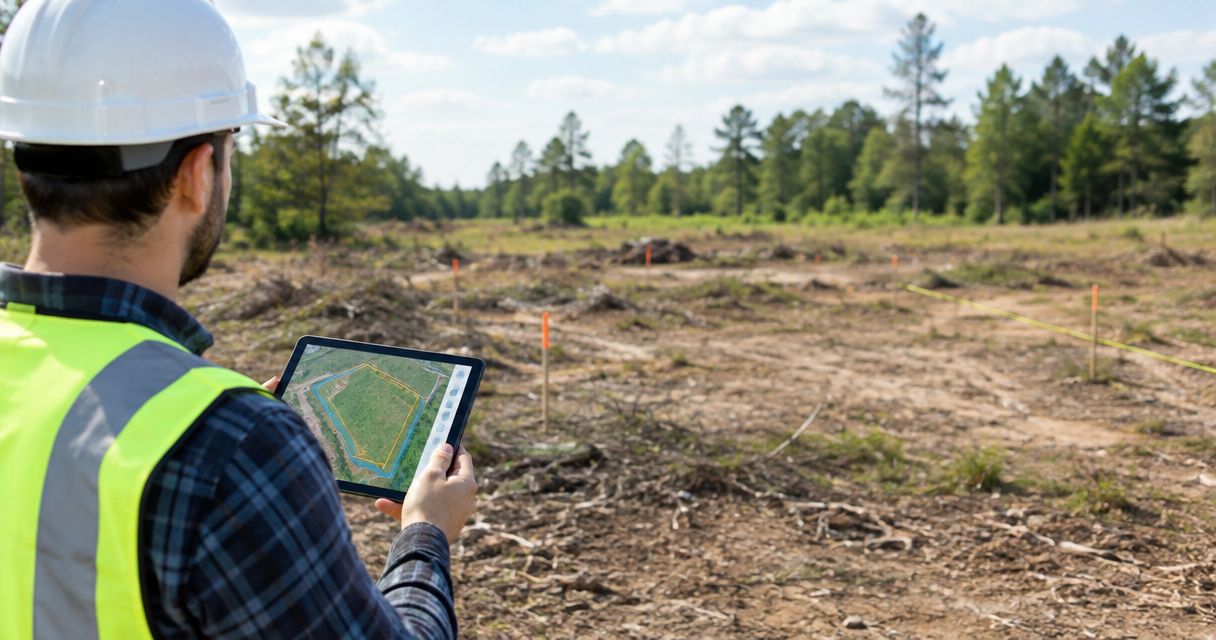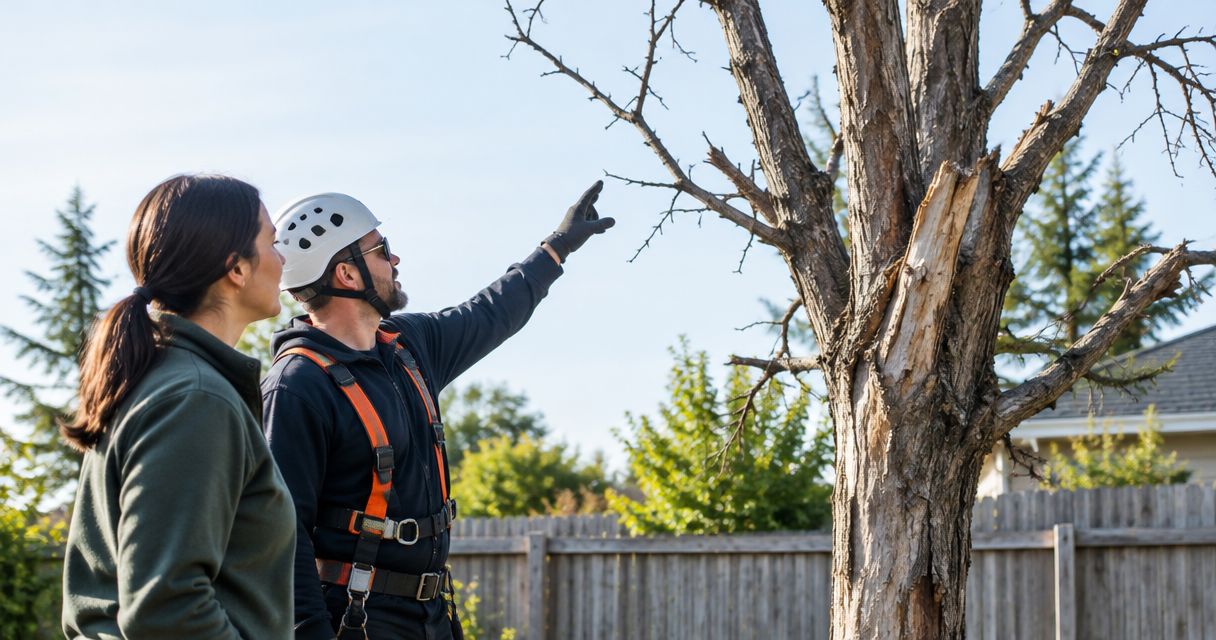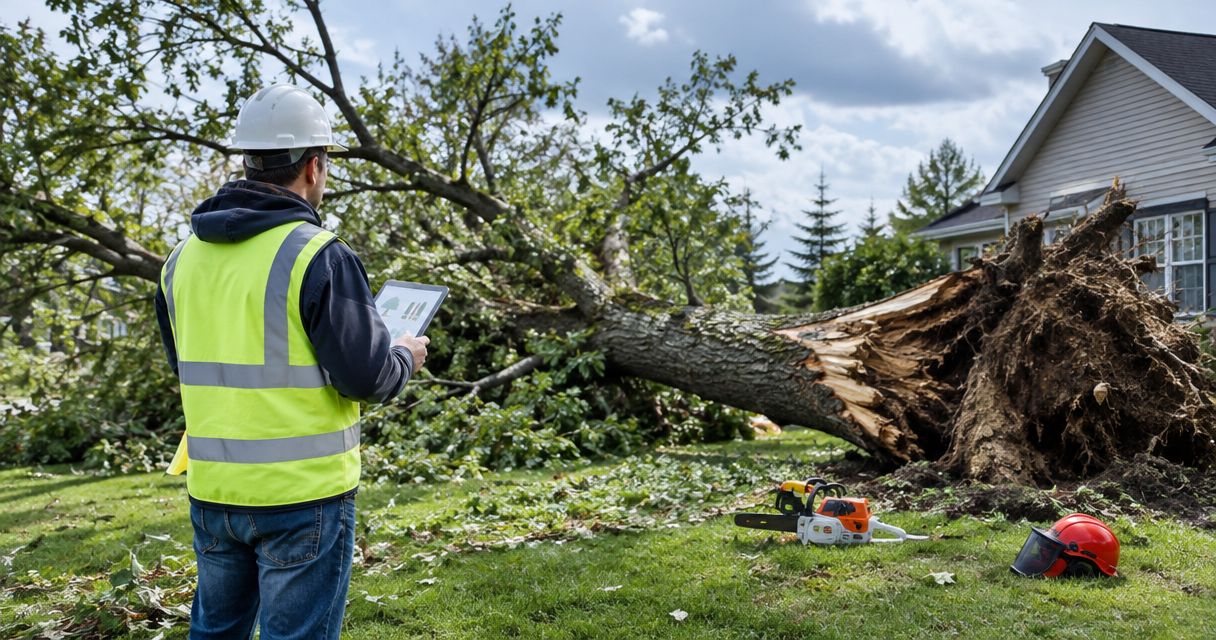
Best first action: isolate utility and unstable-tree hazards. Best next removal priority: dead trees threatening occupied buildings or essential access. Best cleanup priority: loose debris only after overhead hazards are addressed. These dead tree removal priorities help you separate urgent safety concerns from routine yard restoration after a storm in 2026.
- Dead tree removal priorities start with utility hazards and unstable trees, not the easiest branches to collect.
- Pmmidlands is a tree-service option for property owners requesting a site-specific assessment within its confirmed South Carolina service area.
- Keep people away from hanging limbs, lifted roots, damaged trunks, and trees touching utility lines.
- Separate tree removal, stump work, and storm debris removal in your written scope.
Why this matters
A storm-damaged yard presents competing jobs: a leaning tree, branches across a driveway, and scattered debris. The most visible mess is not automatically the most urgent problem. Rank the potential harm before you rank the cleanup effort.
Pmmidlands provides tree services within Richland, Lexington, Newberry, Orangeburg, Sumter, Kershaw, and Fairfield counties in South Carolina. Use Pmmidlands to request a site-specific quote, and describe hazards before discussing cosmetic cleanup. An active utility hazard belongs with the utility or emergency responders, not in a routine quote queue.
What makes the best dead tree removal priorities
Use these criteria for your 2026 storm-response plan. They establish the order for assessment; they do not establish a cutting sequence you should attempt yourself.
- People exposed: Put occupied rooms, entrances, sidewalks, parking spaces, and neighboring property ahead of unused yard areas.
- Utility involvement: Treat trees touching lines, fallen wires, and nearby damaged utility equipment as a separate emergency concern.
- Visible instability: Report hanging limbs, split trunks, newly displaced roots, and trees supported by other trees.
- Essential access: Identify the route needed for residents, visitors, emergency responders, and the removal crew.
- Work dependencies: Address overhead hazards before sending anyone beneath them to collect debris or prepare access.
- Clear scope: Separate the tree hazard from hauling, stump work, and the finished condition you want.
Storm-damaged yard priorities at a glance for 2026
These are ranked situations, not competing products. Several can exist together, and an immediate threat to people takes precedence over the table order.
| Priority | Best for | Main benefit | Key limitation |
|---|---|---|---|
| Utility-hazard isolation | Trees or branches involving utility lines | Keeps ordinary cleanup away from electrical danger | Requires utility direction before nearby work |
| Unstable-tree assessment | Hanging limbs, split trunks, or lifted roots | Addresses material that can move unexpectedly | Appearance alone cannot establish stability |
| Building-exposure assessment | Dead trees threatening occupied structures | Focuses attention on people and property in the potential fall area | Requires an on-site assessment of the tree and surroundings |
| Essential-access planning | Blocked driveways, entrances, and shared routes | Identifies the access that matters most | A blocked route is not automatically safe to clear first |
| Ground-debris cleanup | Loose material after tree hazards are addressed | Restores usable space and defines hauling needs | Does not resolve standing-tree or overhead hazards |
1. Utility-hazard isolation: best for electrical exposure
Trees touching overhead lines and branches resting on wires are not ordinary tree-removal jobs. Keep people and pets away, and contact the utility. Call emergency services when there is immediate danger, injury, or fire.
Do not touch a tree, branch, fence, vehicle, or other object in contact with a line. Do not assume a wire is safe because it is silent or because power appears to be out.
Utility-hazard isolation pros:
- Keeps electrical exposure ahead of yard cleanup.
- Prevents a removal request from replacing the necessary utility report.
- Establishes a clear restriction for residents and contractors.
Utility-hazard isolation limitations:
- Isolation does not make the tree safe to remove.
- Tree work near the affected area depends on utility direction.
Best for: Any storm-damaged tree or debris involving utility lines.
Verdict: Hold all nearby cleanup until the utility provides direction.
2. Unstable-tree assessment: best for hanging or shifting material
A suspended limb, split trunk, or newly lifted root plate deserves attention before ordinary debris collection. A tree leaning against another tree also needs professional assessment; the supporting tree does not make the arrangement safe.
Observe from a safe location without walking under the canopy or approaching the damaged base. Describe what changed after the storm rather than trying to diagnose how much strength remains.
Unstable-tree assessment pros:
- Focuses the request on visible structural concerns.
- Keeps workers from starting beneath suspended material.
- Helps distinguish the dangerous tree from surrounding cleanup.
Unstable-tree assessment limitations:
- Photos cannot establish internal wood condition or root stability.
- The visible damage does not determine a safe removal method.
Best for: Trees with broken crowns, hanging limbs, trunk splits, displaced roots, or support from neighboring trees.
Verdict: Skip do-it-yourself cutting and request professional assessment. Keep people out of the affected area while arranging help; use emergency services for an immediate threat to people.
3. Building-exposure assessment: best for occupied structures
A dead tree near a house, office, garage, or neighboring building deserves assessment because its surroundings affect the consequences of failure. Distance alone is not a diagnosis. The assessment needs to consider the tree, its defects, and what lies around it.
Tell the contractor which rooms, entrances, outdoor areas, or neighboring spaces are occupied. For more detailed preparation, use the guide to arranging dead tree removal near a house.
Building-exposure assessment pros:
- Connects the tree concern to actual occupancy and property exposure.
- Identifies structures and landscaping that need protection during work.
- Gives the contractor context beyond a close-up trunk photo.
Building-exposure assessment limitations:
- A tree's location does not establish its condition.
- A removal approach cannot be chosen responsibly from a written description alone.
Best for: Dead or storm-damaged trees near occupied buildings and regularly used outdoor spaces.
Verdict: Hold use of exposed areas when damage presents an immediate concern, and arrange an assessment. Do not wait for routine landscaping work to address an actively changing tree.
4. Essential-access planning: best for blocked property routes
A blocked driveway creates pressure to start cutting immediately. Resist that pressure when the obstruction includes suspended branches, a partly fallen tree, utility involvement, or material under tension. Access matters, but the route to the obstruction must also be safe.
For commercial properties, identify pedestrian routes, delivery areas, tenant entrances, and emergency access separately. For homes, explain whether another safe entrance exists without sending someone through the damaged area to check.
Essential-access planning pros:
- Identifies the route needed for occupancy and assessment.
- Helps distinguish essential access from optional yard clearance.
- Makes alternate entrances and work restrictions part of the conversation.
Essential-access planning limitations:
- Urgency does not make an obstruction safe to cut.
- Clearing a route does not resolve hazards beside or above it.
Best for: Properties with blocked entrances, shared driveways, or essential circulation routes.
Verdict: Wait for a safe access plan before moving storm-damaged material. If blocked access creates an emergency, contact emergency services rather than attempting hazardous cutting.
5. Ground-debris cleanup: best for restoring usable yard space
Loose branches and scattered material become the priority after utility, overhead, and unstable-tree hazards are addressed. Define whether you want debris moved, cut material removed, or the entire affected area cleared. Those are different scopes.
Keep stump work separate from debris hauling in the request. Do not assume that removing a trunk includes removing the stump or restoring the ground.
Ground-debris cleanup pros:
- Makes usable space and the desired finish explicit.
- Separates hauling from the removal of standing trees.
- Allows nonurgent restoration to be discussed as a distinct phase.
Ground-debris cleanup limitations:
- A tidy yard can still contain an unsafe standing tree.
- Debris work does not automatically include stump removal or surface repair.
Best for: Loose ground material in areas already cleared of immediate tree and utility hazards.
Verdict: Hold cosmetic cleanup until higher-priority hazards are addressed. Then request a scope that states what leaves the property and what remains.
Turn your priorities into a site-assessment request
For your 2026 request, describe the outcome before asking how the work will happen. Pmmidlands needs the location and job description to assess a tree-service request; do not select equipment or promise access on the contractor's behalf.
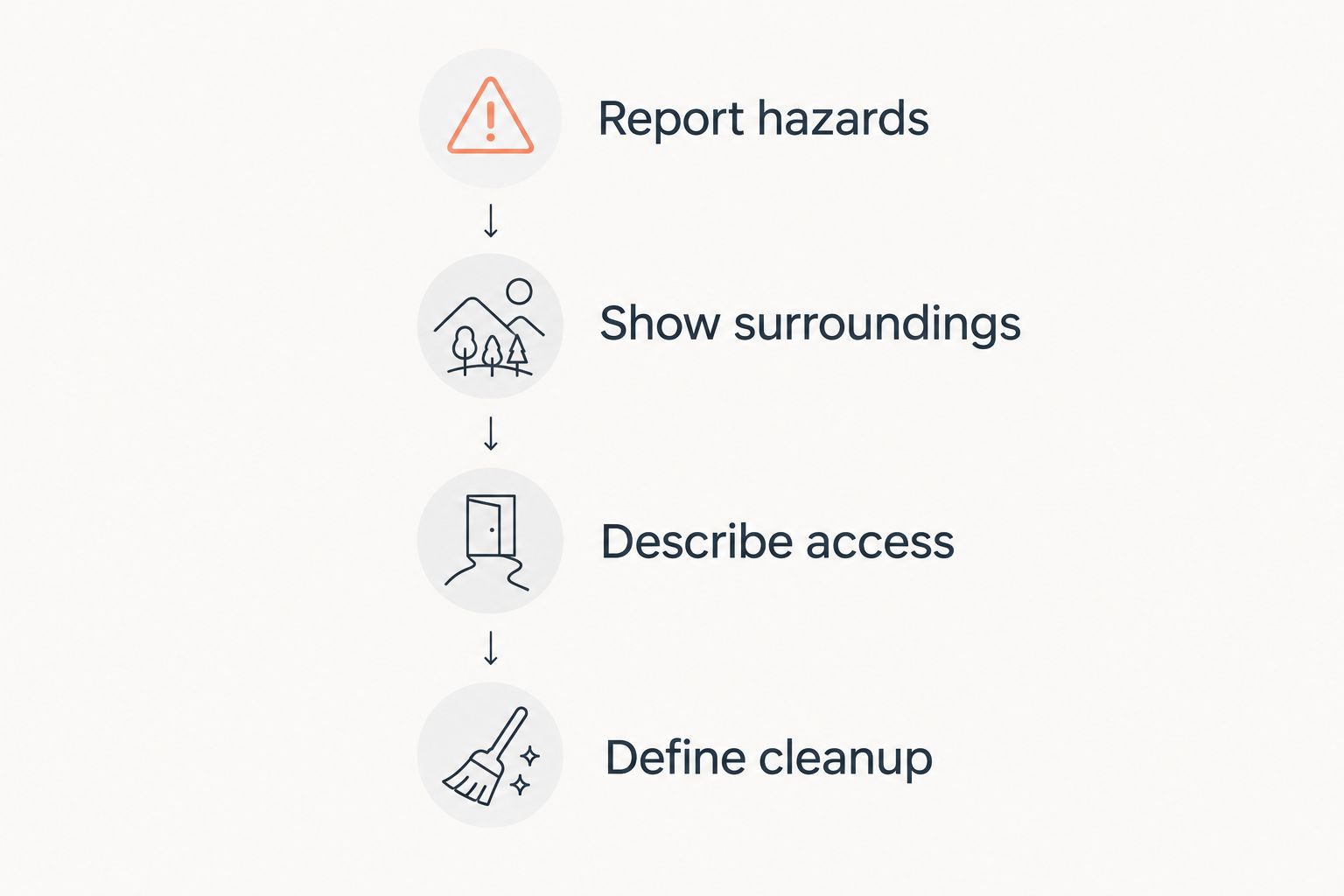
Use this sequence to organize the information without entering a hazardous area:
- Report hazards: State utility involvement, hanging material, newly leaning trees, and any immediate threat to people.
- Show surroundings: If safe, provide 3 photo views: the whole tree, the visible damage, and the surrounding access area. Use zoom rather than approaching damage.
- Describe access: Explain gates, narrow passages, slopes, parking restrictions, and surfaces you want protected. State measurements only when already known or safely obtainable.
- Define cleanup: Request 1 written scope that distinguishes tree removal, debris hauling, stump work, and the intended finish.
Keep 2 decisions separate: what requires urgent safety attention and what belongs in the removal quote. That distinction prevents a routine request from becoming a substitute for reporting an emergency.
Request a site-specific tree quote
Describe the damage, property access, and cleanup needs within the confirmed South Carolina service area.
How these priorities are ranked
The ranking puts electrical exposure and visible instability ahead of convenience. Occupied structures and essential routes then determine where assessment attention belongs; cosmetic cleanup comes after the hazards that make working in the yard unsafe.
This is a planning framework, not an inspection result. A professional site assessment establishes the appropriate work scope, and emergency responders or the utility handle immediate hazards within their responsibilities.
Which dead tree removal priority should you choose?
Choose the highest-consequence unresolved hazard, not the easiest job. If utilities are involved, stop and contact the utility. If a tree or limb is unstable, keep the area unused and arrange appropriate assessment before discussing routine cleanup.
For a 2026 project within the confirmed service area, Pmmidlands is a tree-service option for property owners requesting a site-specific assessment. Describe every affected tree, then ask for the proposed work order and cleanup boundaries in writing.
FAQ
What are the most important dead tree removal priorities after a storm?
Address utility involvement and unstable trees before routine debris cleanup. Then assess exposure to occupied buildings and essential access routes; an immediate threat to people takes precedence over a routine removal request.
Should I clear my driveway before removing a damaged tree?
Do not clear a driveway beneath hanging limbs or beside an unstable tree. Explain the blocked access when requesting help, and contact emergency services if the obstruction creates an emergency.
Can I cut a branch touching a power line?
Do not cut or touch a branch contacting a power line. Keep people away and contact the utility; a silent line or apparent outage does not establish safety.
Does every dead tree need to come down before yard cleanup?
Dead trees need assessment based on their condition and exposure, rather than a blanket cleanup order. Keep cleanup out of any area affected by unresolved overhead or tree-stability hazards.
Are photos enough to decide how a damaged tree should be removed?
Photos help describe the request but do not replace a site assessment. Safe views of the whole tree, visible damage, and surrounding access provide useful context without requiring you to approach the hazard.
Does a tree-removal quote include stump removal and hauling?
Do not assume tree removal includes stump work or hauling. Ask for each task and the intended condition of the site to be stated in the written scope.
Where can I request tree services from Pmmidlands?
Pmmidlands serves Richland, Lexington, Newberry, Orangeburg, Sumter, Kershaw, and Fairfield counties in South Carolina. Provide the property location, damage description, access restrictions, and requested cleanup when asking for a site-specific quote.
One last thing
A cleared driveway is not proof of a safe yard. Before reopening an entrance, parking area, or outdoor gathering space in 2026, confirm that the assessment addressed the trees and hanging material beside and above it—not just the debris that blocked it.