Best overall for land clearing for pasture: selective clearing with a written pasture-establishment plan. Best for brush-covered ground: forestry mulching. Best for an existing pasture: brush mowing. This 2026 guide compares five methods and explains what to include when requesting a site-specific assessment from Pmmidlands.
- Land clearing for pasture should start with the intended grazing area, retained trees, and a plan for stumps.
- Selective clearing is the best default when pasture conversion requires different treatments across the property.
- Forestry mulching handles woody vegetation but does not remove buried roots or establish forage.
- For Pmmidlands tree-service inquiries, request a site assessment rather than choosing equipment from photographs alone.
Why this matters
Cleared land is not automatically usable pasture. Standing trees, buried stumps, woody residue, drainage problems, and unsuitable soil conditions are different obstacles; removing one does not resolve the others.
Choose the finished condition before choosing the clearing method. A field intended for routine mowing needs a different finish from a wooded grazing area where selected trees remain. Your 2026 clearing brief should explain how livestock, fencing, mowing, and future maintenance will use the ground.
What makes the best land clearing method for pasture?
Judge each option against these criteria before comparing proposals:
- Vegetation fit: Match the treatment to grass, brush, saplings, or mature trees rather than treating every acre alike.
- Stump outcome: Specify whether stumps remain, are ground down, or are excavated. These are different scopes.
- Soil protection: Identify slopes, wet areas, exposed soil, and places where disturbance needs tighter control.
- Pasture finish: Define the condition needed for mowing, fencing, seedbed preparation, and livestock access.
- Material handling: Decide what happens to logs, brush, chips, roots, and other debris.
- Follow-up work: Include the transition from cleared ground to forage, including soil testing and regrowth management.
No method wins every criterion. The strongest proposal explains where each treatment belongs and what work remains afterward.
Land clearing options at a glance
The order below prioritizes a usable pasture outcome, not the largest machine or the fastest-looking transformation. No single equipment choice replaces an assessment of vegetation, terrain, access, and the desired finish.
| Rank and option | Best for | Standout feature | Key limitation |
|---|---|---|---|
| 1. Selective clearing | Mixed sites with trees to retain | Assigns different treatments to different areas | Requires careful marking and coordination |
| 2. Forestry mulching | Brush and woody regrowth | Processes suitable vegetation into surface material | Leaves underground roots and stumps |
| 3. Brush mowing | Reclaiming an existing pasture | Cuts vegetation without intentionally excavating soil | Cannot replace tree or stump removal |
| 4. Root excavation | Removing stump obstacles | Removes targeted stumps and root masses | Disturbs soil and leaves areas needing repair |
| 5. Manual clearing | Fence lines and sensitive edges | Allows precise work around retained features | Poor fit for broad, dense clearing |
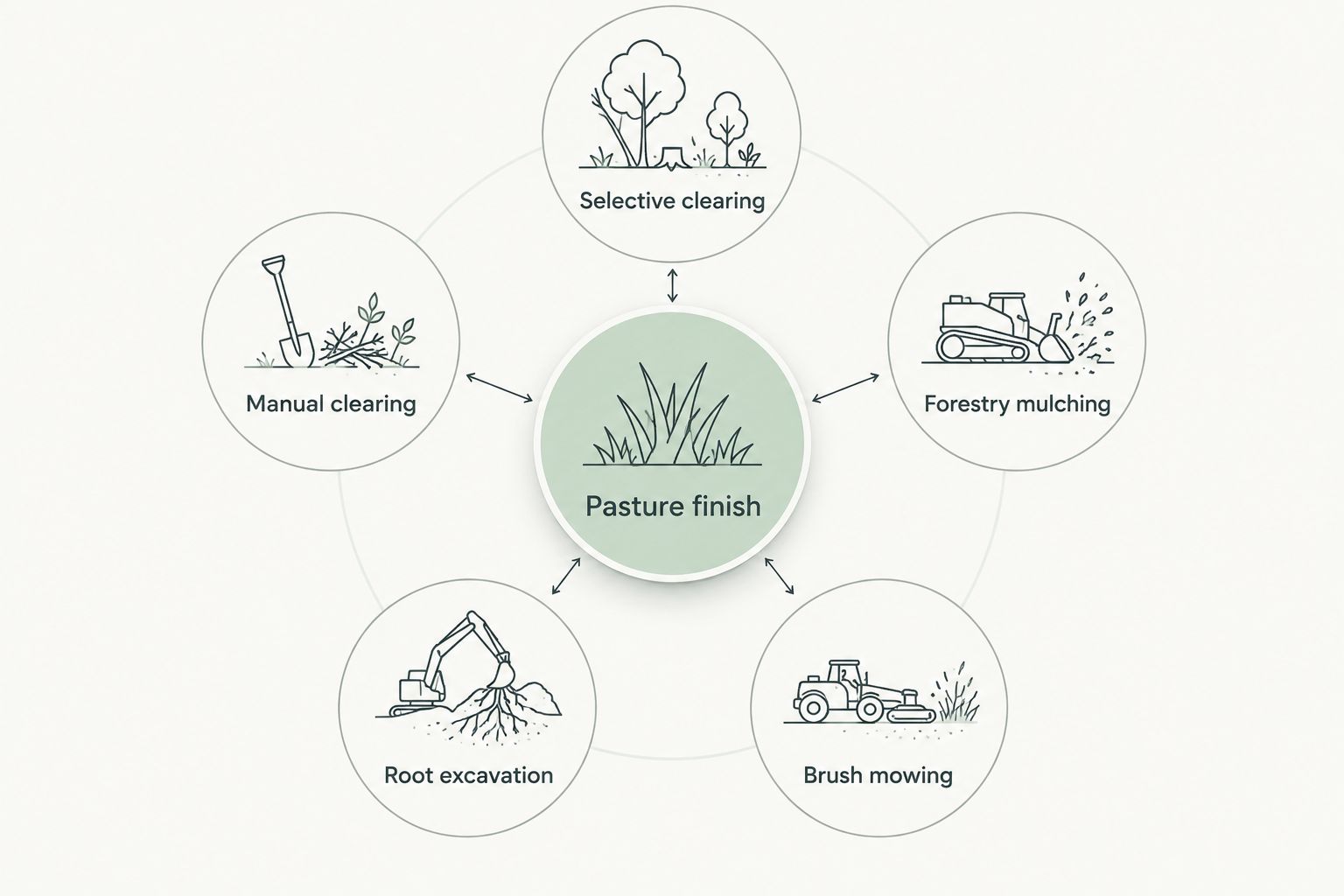
1. Selective clearing: best for mixed pasture conversion
Selective clearing is an approach rather than a single machine operation. You identify trees and features to retain, then assign removal, cutting, mulching, or stump treatment to the areas that need them.
This is the best default for a mixed property because woodland edges, open patches, and proposed fence lines do not need identical treatment. Mark retained trees and their protection areas before work begins; a verbal instruction to leave some shade is not a usable plan.
Selective clearing pros:
- Keeps removal decisions tied to the intended pasture layout.
- Allows retained trees and sensitive areas to be identified beforehand.
- Separates tree removal from stump and surface-finishing decisions.
Selective clearing cons:
- Requires a clear map and agreement about boundaries.
- Can involve several work types rather than one uniform operation.
Best for: Property owners converting mixed vegetation while retaining specific trees or features.
Verdict: Buy this approach when the property needs a planned combination of treatments. Request a written scope for each area rather than an undefined promise to clear the property.
2. Forestry mulching: best for brush-covered ground
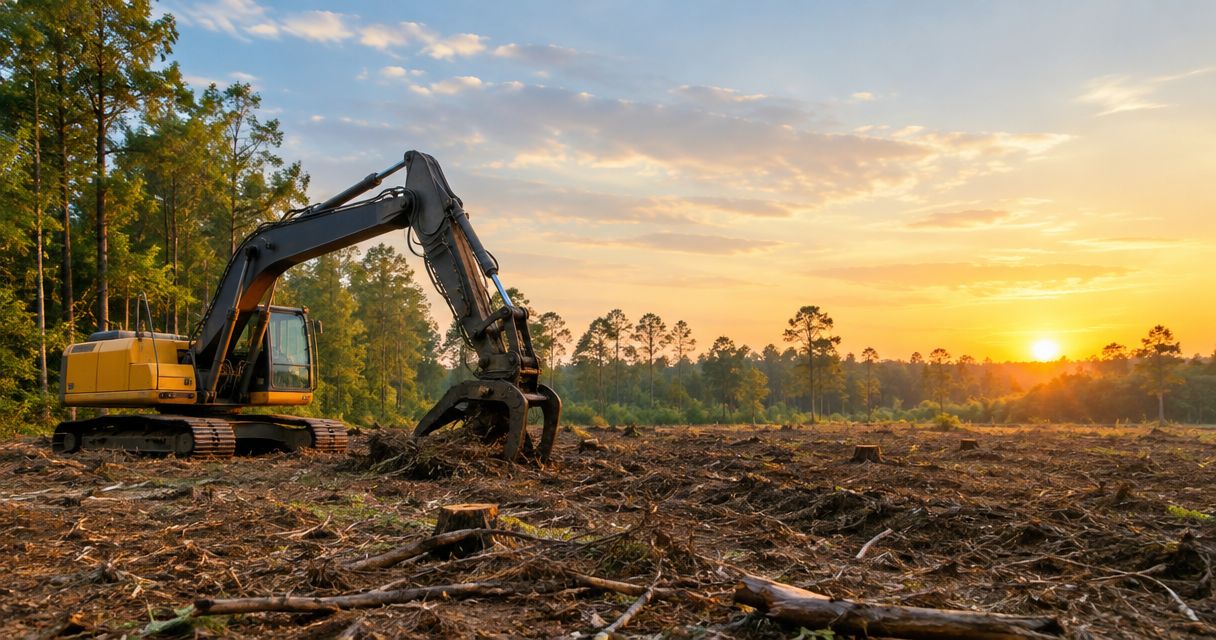
Forestry mulching cuts and processes suitable woody vegetation into material left on the ground. It addresses above-ground growth; it does not excavate the underground root system or turn the site into a prepared seedbed.
For pasture conversion, the important question is what happens after mulching. Thick woody residue can interfere with seed-to-soil contact, and cut vegetation can regrow. Your 2026 plan needs to address both before treating the cleared area as finished pasture.
Forestry mulching pros:
- Processes suitable brush and woody growth where it stands.
- Avoids intentionally excavating every root system.
- Can form part of a selective clearing plan.
Forestry mulching cons:
- Leaves roots and stump material below the treated surface.
- Requires a separate decision about residue and forage establishment.
Best for: Brush-covered areas where underground stump removal is not the immediate objective.
Verdict: Buy forestry mulching for the vegetation problem it solves, not as a promise of ready-to-graze land. Confirm suitable vegetation and the required finish during the assessment.
3. Brush mowing: best for reclaiming an existing pasture
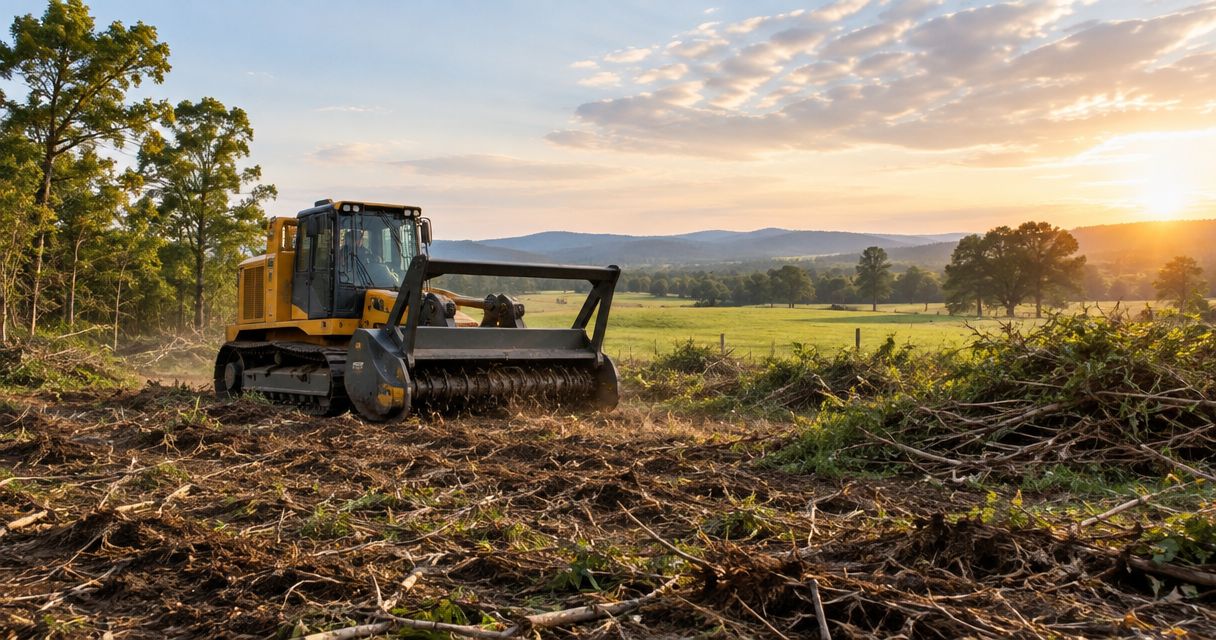
Brush mowing cuts standing vegetation on ground that is already suitable for mowing. It fits an overgrown pasture more directly than a wooded parcel with mature trees, hidden debris, and substantial stump obstacles.
Walk accessible areas safely before arranging work and identify wire, dumped material, holes, rocks, and other obstructions. Do not assume tall vegetation hides only grass. Equipment suitability depends on what is growing and what lies underneath it.
Brush mowing pros:
- Targets overgrowth without intentionally removing soil.
- Fits recurring vegetation maintenance on suitable ground.
- Leaves tree-removal decisions separate from general mowing.
Brush mowing cons:
- Does not remove established tree stumps or root masses.
- Cutting alone does not eliminate every woody or invasive plant.
Best for: Existing pasture with mowable growth and a known, suitable surface.
Verdict: Buy brush mowing for pasture reclamation; skip it as a substitute for wooded-land conversion. State whether the job is a maintenance cut or the first step in a larger restoration plan.
4. Root excavation: best for removing stump obstacles
Root excavation removes targeted stumps and associated root masses from the ground. It addresses physical obstacles that surface cutting and mulching leave behind, but it also disturbs the soil around the excavation.
Use excavation where the planned finish requires it, rather than assuming every stump must come out. Fence construction, mowing routes, and future ground work all affect that decision. Excavated areas need an agreed plan for backfilling, surface repair, and stabilization.
Root excavation pros:
- Removes targeted below-ground woody obstacles.
- Lets the scope identify individual problem locations.
- Addresses roots that surface treatments leave in place.
Root excavation cons:
- Creates disturbed ground requiring additional finishing.
- Produces root material that needs an agreed destination.
Best for: Specific stump locations that conflict with the intended pasture use.
Verdict: Buy targeted excavation where roots prevent the required finish; hold off on blanket excavation without a site-based reason. Ask what the ground will look like after removal, not just whether the stump disappears.
5. Manual clearing: best for fence lines and sensitive edges
Manual clearing uses hand-directed cutting and removal for smaller, defined areas. It is useful where precision matters, such as around retained vegetation, along an accessible boundary, or near features that need protection.
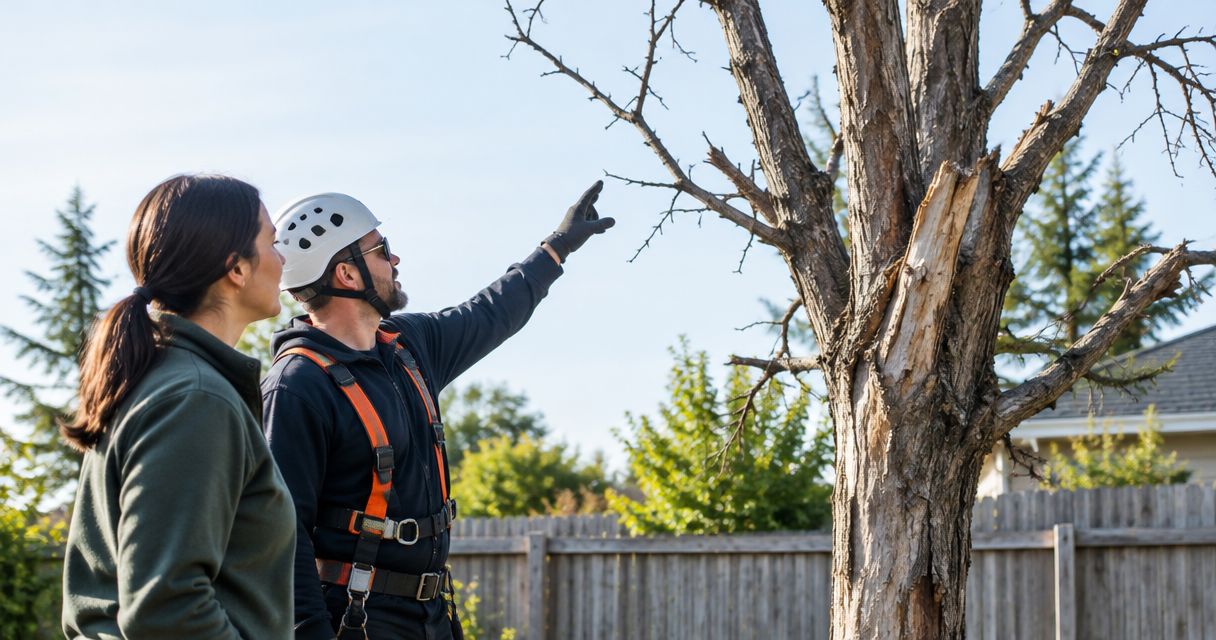
Manual does not mean low-risk or suitable for untrained work. Trees under tension, overhead limbs, utility conflicts, and unstable vegetation need professional assessment. Keep livestock and bystanders away from the work area.
Manual clearing pros:
- Allows individual plants and obstacles to be identified.
- Supports careful work around retained features.
- Fits narrow areas that do not need broad treatment.
Manual clearing cons:
- Is a poor default for extensive, dense vegetation.
- Still requires separate decisions about stumps and debris.
Best for: Defined fence corridors, pasture edges, and small areas requiring precise treatment.
Verdict: Buy manual clearing for targeted detail work; skip it as the default plan for a large conversion. Describe the exact corridor or boundary rather than asking for general cleanup.
How we ranked these clearing options
The ranking puts the pasture outcome first: vegetation fit, stump treatment, soil protection, material handling, and follow-up work. Selective clearing ranks first because it organizes those decisions without assuming one treatment suits the whole property.
This is a method-selection guide, not a claim that any provider supplies every method. For Pmmidlands land clearing inquiries, describe the required result and ask which parts of the proposed scope fit the assessed site.
Turn the clearing plan into a useful quote request
A useful 2026 quote request separates 3 work stages: vegetation removal, stump treatment, and pasture preparation. Ask the provider to state which stages are included and which need separate arrangements. That prevents a cleared-looking site from being mistaken for a completed pasture.
Describe the site
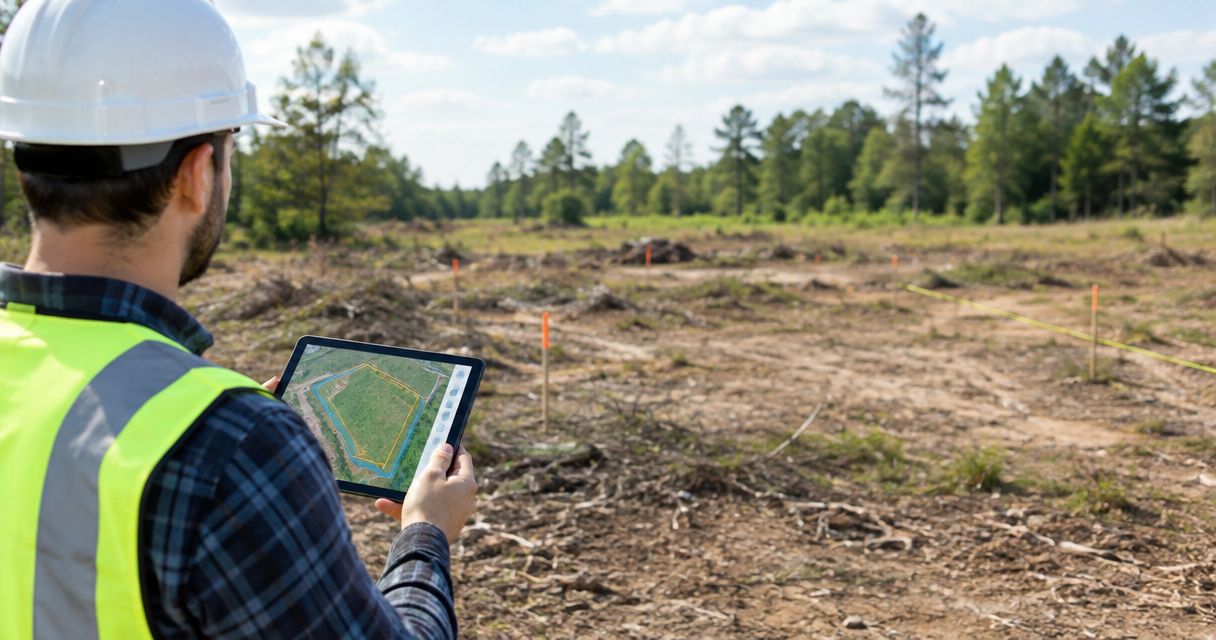
Give the property location, approximate clearing boundary, current vegetation, and intended pasture use. Identify access restrictions, gates, wet ground, slopes, overhead utilities, and features that must remain.
Take at least 4 photos for the initial inquiry: the entrance, representative vegetation, a visible obstacle, and an overview from a safe position. Photos support the conversation; they do not replace a site assessment or reveal buried obstacles.
Define the finish
Write down whether you need standing vegetation removed, logs handled, stumps treated, debris removed, or ground repaired. Identify who will arrange soil testing, forage selection, seeding, fencing, and livestock exclusion during establishment.
For Pmmidlands tree services, keep location details within the confirmed service area: Richland, Lexington, Newberry, Orangeburg, Sumter, Kershaw, and Fairfield counties in South Carolina. Ask for a site-specific scope rather than assuming a method, completion date, or result from photographs.
Identify restrictions before disturbance
Confirm property boundaries and investigate applicable requirements before clearing. Wetlands, drainage features, easements, utility corridors, and local rules can change where work belongs. Do not treat agricultural use as automatic permission to disturb every part of a parcel.
Request a site-specific clearing quote
Describe your vegetation, access, retained trees, and required pasture finish.
Which land clearing option should you choose?
Choose selective clearing as the default for a mixed pasture-conversion project. Use forestry mulching for suitable woody growth, brush mowing for existing pasture, targeted excavation for necessary stump removal, and manual clearing for precise edge work.
For your 2026 project, make the final decision after the site assessment establishes what must be removed, what stays, and what condition the ground must reach. A method name is not a complete scope of work.
FAQ
What's the best method of land clearing for pasture?
Selective clearing is the best default for a mixed site because it assigns treatments around the intended pasture finish. Existing pasture, dense brush, and stump obstacles require different decisions rather than one treatment everywhere.
Is forestry mulching enough to create a pasture?
Forestry mulching alone does not establish pasture. It processes suitable above-ground vegetation, but roots, woody residue, soil conditions, and forage establishment still need attention.
Do all stumps need to be removed before grazing?
Stump removal should follow the intended pasture use, not a blanket rule. Assess interference with mowing, fencing, animal movement, and future ground work before deciding what must come out.
Can I just mow an overgrown pasture?
Brush mowing fits overgrown pasture only where the vegetation and ground conditions suit the operation. Hidden wire, debris, holes, trees, and stumps need assessment before work starts.
What should a pasture-clearing quote include?
A pasture-clearing quote should define the clearing boundary, vegetation work, stump treatment, debris handling, access requirements, and finished condition. Ask which pasture-preparation tasks are outside the scope.
How do I request a land clearing assessment from Pmmidlands?
Start with your county, clearing boundary, vegetation description, access details, and intended pasture use. Pmmidlands' confirmed service area covers Richland, Lexington, Newberry, Orangeburg, Sumter, Kershaw, and Fairfield counties in South Carolina.
When can livestock use newly cleared land?
Livestock access should follow an assessment of site hazards and forage readiness, not the date clearing ends. Remove hazardous debris and address ground conditions, fencing, and pasture establishment before turnout.
One last thing
The most useful question is: Can the next person do their job on the ground this scope leaves behind? Ask it for the fence installer, the mowing operator, and whoever establishes the forage. If their requirements are missing, the clearing plan is unfinished even when every unwanted tree is gone.