Best overall for reclaiming lawn space: stump grinding. Best for a construction footprint: excavation. Best for a small, accessible stump: manual removal. With tree stump removal methods compared for 2026, the deciding question is what you need the ground to support afterward—not simply how to make the stump disappear.
- Tree stump removal methods compared: grinding suits lawn restoration; excavation addresses stumps and roots within a construction footprint.
- Manual removal suits small, accessible stumps; natural decay suits unused ground without a completion deadline.
- Chemical treatment leaves decaying wood to manage; burning adds fire and smoke concerns.
- Ask Pmmidlands for a site-specific tree-services quote covering access, debris, backfill, and your intended land use.
Why this matters
Removing visible wood and preparing usable ground are different jobs. A stump ground below the surface still leaves roots behind; pulling out a stump creates a hole that needs attention before you restore the area.
Pmmidlands is a tree-services contact for property owners seeking site-specific quotes in its confirmed South Carolina service area. That area covers Richland, Lexington, Newberry, Orangeburg, Sumter, Kershaw, and Fairfield counties. Start with Pmmidlands to discuss your property and confirm the requested scope.
What makes the best stump removal method?
For a 2026 project, judge the method against these criteria before choosing equipment or accepting a quote:
- Future land use: Lawn, planting beds, driveways, and building footprints require different preparation.
- Root removal: Decide whether removing the visible stump is enough or whether roots conflict with planned work.
- Access: Gates, slopes, fences, and surface conditions affect how the work can be approached.
- Nearby features: Underground utilities, irrigation, structures, and retained trees constrain disturbance.
- Cleanup: Specify what happens to chips, root sections, displaced soil, and other debris.
- Completion standard: Define the finished condition, including backfill, grading, and responsibility for later settlement.
Tree stump removal methods at a glance
| Method | Best for | Standout feature | Key limitation |
|---|---|---|---|
| Grinding | Lawn restoration | Mechanically reduces the stump below the surface | Leaves roots and produces chips |
| Excavation | Construction footprint | Removes the stump and roots within the agreed excavation area | Disturbs surrounding soil and leaves a hole |
| Manual removal | Small accessible stumps | Allows deliberate digging and root cutting | Labor-intensive and unsuitable for difficult root systems |
| Natural decay | Unused ground | Avoids immediate mechanical disturbance | Leaves an obstacle without a dependable completion date |
| Chemical treatment | Assisted decay | Uses a labeled treatment as part of a decay process | Does not physically remove the stump |
| Burning | Restricted specialist situations | Consumes exposed wood through combustion | Creates fire, smoke, and underground-smoldering concerns |
Grinding and excavation solve different problems. Choose grinding when reducing the stump is sufficient; request excavation when remaining wood conflicts with the planned use of the ground. Neither choice automatically includes the final surface preparation.
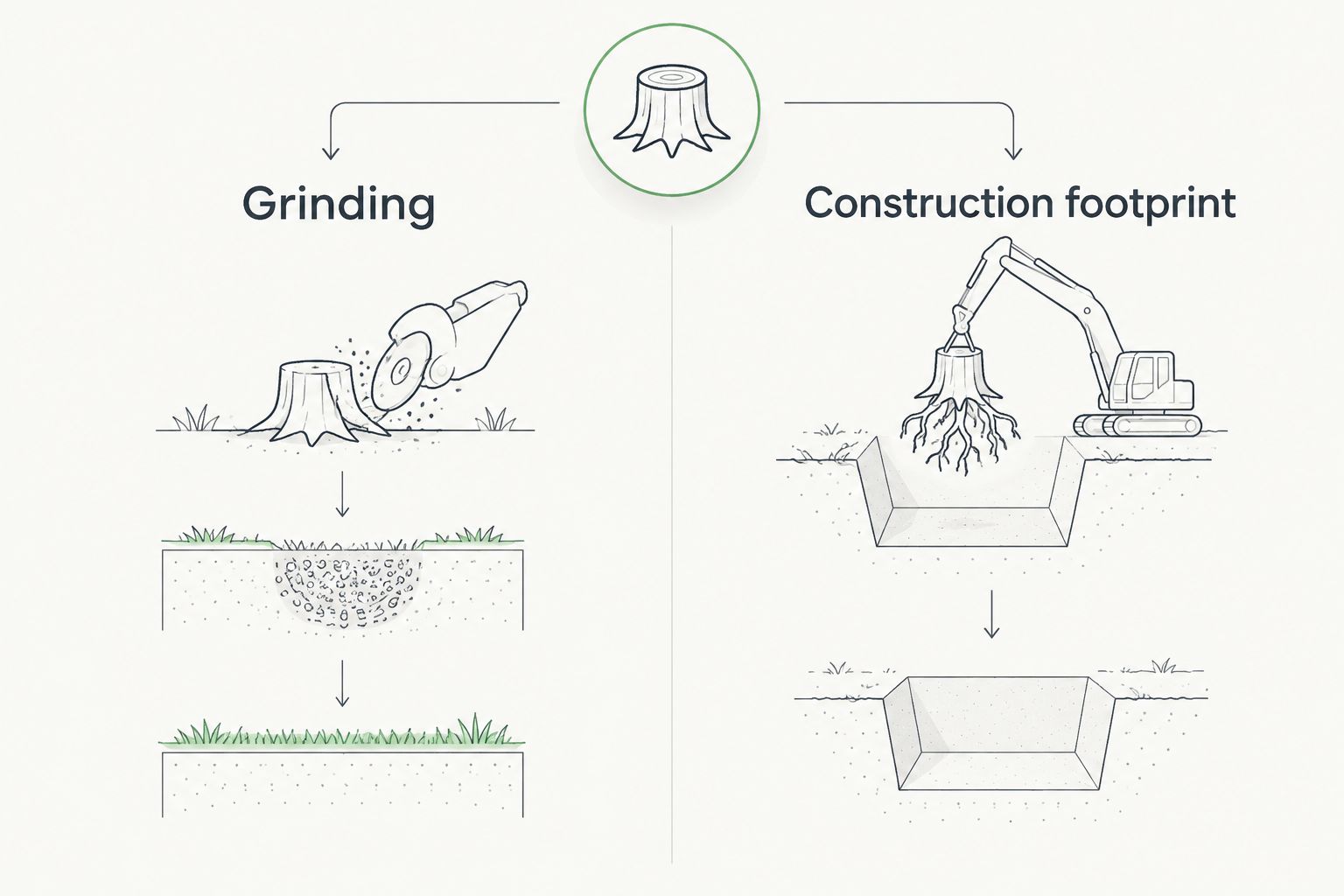
1. Grinding: best stump removal method for lawn restoration
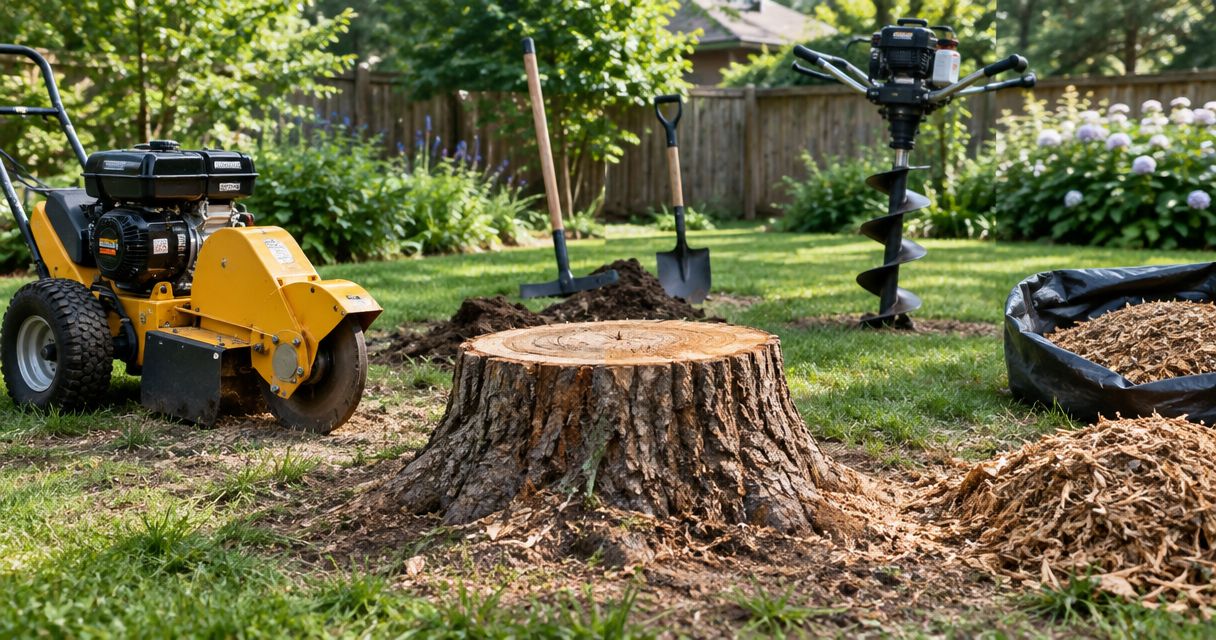
Stump grinding uses a cutting machine to reduce stump wood into chips below the surrounding surface. It addresses the stump without excavating the entire root system, making it a practical starting point when you want to reclaim lawn or open space.
Grinding pros:
- Targets the stump rather than requiring full root excavation.
- Removes the aboveground obstruction.
- Lets you specify the treatment area and grinding depth in the scope.
Grinding cons:
- Leaves roots and some buried wood behind.
- Produces chips that require a cleanup or reuse decision.
- Does not, by itself, leave a finished lawn surface.
Best for: Homeowners reclaiming lawn space where remaining roots do not conflict with another project.
Ask how chips will be handled and what material will fill the depression. Do not assume spreading soil over loose chips creates a permanent finished surface; decomposing organic material can contribute to settlement.
Verdict — Buy: Choose grinding after confirming access, the required depth, chip handling, and the finished condition.
2. Excavation: best stump removal method for construction preparation
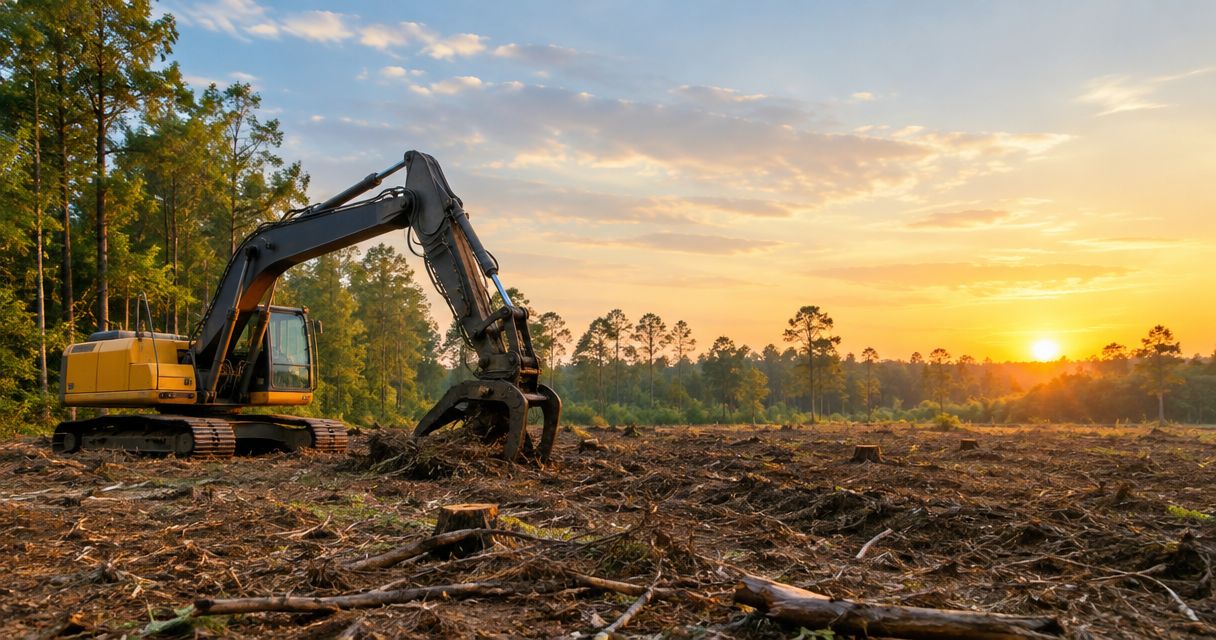
Excavation exposes and removes the stump along with roots within an agreed work area. It fits projects where buried wood would interfere with planned digging, grading, or construction rather than merely looking untidy.
Excavation pros:
- Removes the stump instead of reducing it in place.
- Allows root removal within a defined footprint.
- Exposes the opening for inspection before backfilling.
Excavation cons:
- Disturbs more surrounding ground than localized grinding.
- Creates excavated material and a hole to manage.
- Requires careful planning around utilities and retained trees.
Best for: Property owners whose construction or grading plan requires stump and root removal within the work area.
Your builder, designer, or relevant project professional should define the required ground condition. A tree-work quote is not a substitute for construction specifications, compaction requirements, or approval of a building surface.
Verdict — Buy: Choose excavation when the project requires wood removed from the footprint, with backfill and site preparation separately defined.
3. Manual removal: best stump removal method for small accessible stumps
Manual removal involves exposing roots, cutting them with suitable tools, and freeing the stump from the ground. A stump's visible diameter alone does not establish whether this approach is practical; root spread, species, soil, and access also matter.
Manual removal pros:
- Allows deliberate work around an exposed root system.
- Avoids bringing a large machine into the work area.
- Can remove the stump rather than leaving its core buried.
Manual removal cons:
- Requires substantial physical effort.
- Becomes difficult when roots are large, deep, or intertwined.
- Involves sharp tools and unstable wood or soil.
Best for: A small stump with accessible roots, clear surroundings, and a manageable digging area.
Do not pull a stump with a vehicle, improvised rope, or an unverified anchor point. Hidden resistance and sudden release create hazards that are not apparent from the stump's appearance.
Verdict — Hold: Assess the root system and your ability to work safely before treating manual removal as a DIY project.
4. Natural decay: best stump removal approach for unused ground
Natural decay leaves fungi and other organisms to break down the wood. It avoids immediate extraction, but it is a decision to retain the stump while decomposition progresses—not immediate removal.
Natural decay pros:
- Avoids mechanical excavation at the outset.
- Leaves surrounding soil largely undisturbed.
- Requires no stump-removal chemical treatment.
Natural decay cons:
- Leaves the stump as an obstacle.
- Provides no dependable completion date.
- Does not prepare ground for construction or immediate replanting.
Best for: An out-of-the-way area where the stump does not obstruct access, maintenance, or planned work.
Keep the remaining stump visible to people maintaining the property. If the location becomes a walkway, mowing route, or work area, reassess the decision rather than allowing vegetation to conceal the obstruction.
Verdict — Hold: Leave the stump only when its continued presence is acceptable and you have no removal deadline.
5. Chemical treatment: best considered for assisted decay
Stump-removal chemicals are not a single interchangeable category. Some products address decay, while herbicide treatments address living tissue or regrowth; use only a product labeled for the intended purpose and follow its directions.
Chemical treatment pros:
- Offers a labeled treatment route where applicable.
- Avoids immediate extraction of the stump.
- Can form part of a longer-term management plan.
Chemical treatment cons:
- Does not physically extract wood or roots.
- Requires label-specific handling and site restrictions.
- Does not guarantee a removal date.
Best for: Owners willing to retain the stump while following an appropriate product's instructions.
Never substitute household chemicals or mix treatments. If your problem is new shoots rather than the stump itself, identify that separately so the proposed treatment matches the actual objective.
Verdict — Hold: Consider treatment only after confirming its purpose, restrictions, and the later work needed to remove remaining wood.
6. Burning: a method to skip for routine residential removal
Burning consumes wood through combustion, but a stump's exposed surface is only part of the material involved. Fire can extend into buried organic material, and smoke creates additional concerns for surrounding properties.
Burning pros:
- Can consume exposed stump wood.
- Does not require mechanically lifting the stump.
- Reduces some combustible material to ash.
Burning cons:
- Creates fire, smoke, and smoldering hazards.
- Does not establish that buried roots are removed.
- Depends on applicable burning restrictions and site conditions.
Best for: Restricted situations assessed by appropriate professionals and permitted by applicable rules—not a default homeowner project.
Check current requirements with the relevant authorities before considering any outdoor burning. Permission to burn vegetation does not establish that burning a particular stump is safe or suitable.
Verdict — Skip: Do not select burning as the routine answer for a residential yard or an occupied commercial property.
How these methods are ranked
The 2026 ranking puts the finished result first: grinding for reclaiming ordinary surface space, excavation for removing wood within a project footprint, and manual removal only for manageable stumps. Decay-based approaches rank lower because they retain the obstruction; burning ranks last because it introduces additional hazards.
This is a suitability comparison, not a claim that one method works on every site. Access, underground services, nearby trees, and your required finish can change the right choice.
Prepare a quote that answers the right question
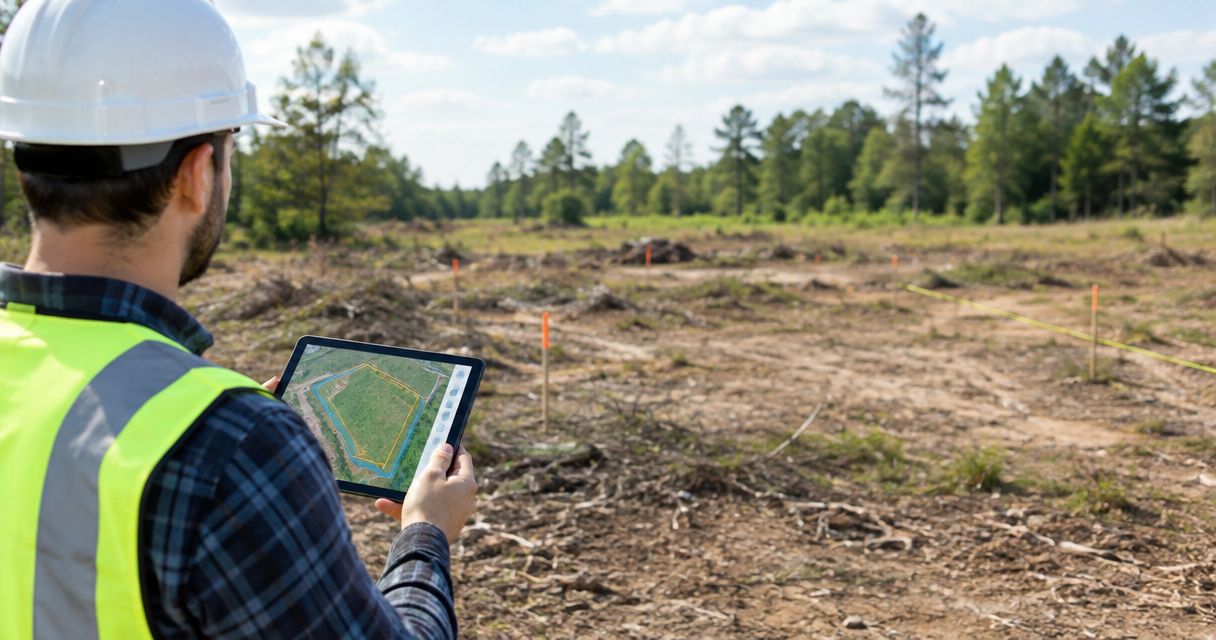
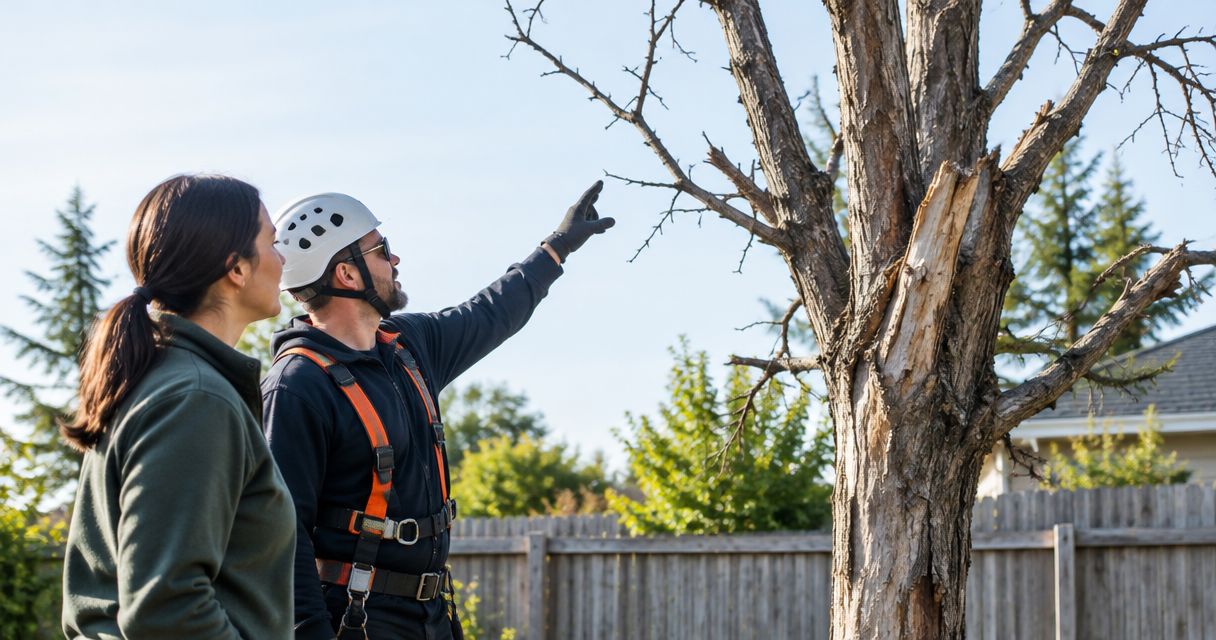
Give Pmmidlands the intended result, not just a request to make the stump disappear. A site assessment should resolve the constraints that photographs cannot establish.
Prepare these details before requesting a 2026 quote:
- Take 2 photos: Include a close view of the stump and a wider view showing access and nearby features.
- Record 3 measurements: Note stump width, height above ground, and the narrowest access opening. Measure only where you can do so safely.
- Request 1 written scope: Identify the proposed method, removal area, debris handling, backfill, and exclusions.
Mention irrigation, septic components, underground lines, drainage concerns, and any trees you want retained. Arrange the applicable utility-location process before ground-disturbing work, and identify privately installed services separately.
Use the guide to whether a tree removal quote includes stump and debris removal to separate the tasks. Tree removal, stump work, hauling, and surface restoration should not be assumed to mean the same thing.
Request a site-specific tree-services quote
Describe the stump, access route, and planned use of the ground so the scope addresses your project.
Which stump removal method should you choose?
Start with grinding if you want usable lawn space and do not need the roots excavated. Start with excavation if the stump or roots occupy an area that must be cleared for planned construction.
For a small stump, manual removal deserves assessment rather than an automatic DIY recommendation. Choose decay only when waiting is acceptable, and keep burning off the routine residential shortlist.
Before accepting a proposal, check that the method and finished condition match. A lower-disturbance operation is not a complete solution if it leaves wood exactly where your next project needs clear ground.
FAQ
What's the best tree stump removal method in 2026?
Grinding is the best starting point for ordinary lawn restoration when remaining roots do not conflict with planned work. Excavation is the better fit when a defined construction footprint requires stump and root removal.
Is stump grinding the same as complete stump removal?
No. Grinding reduces stump wood below the surface but leaves roots behind. Excavation removes the stump and roots within the agreed work area.
Can I remove a small tree stump myself?
Manual removal is an option when the stump and exposed root system are manageable and the site is clear. Assess utilities, nearby features, tools, and physical effort before deciding to proceed.
Will a stump disappear if I leave it alone?
A stump decomposes naturally, but there is no dependable completion date for an individual site. Leave it only where the remaining obstacle does not interfere with access or planned use.
Do stump-removal chemicals remove the roots?
Chemical treatment does not physically extract roots. Product purposes differ, so distinguish a decay treatment from a treatment intended to control living tissue or regrowth.
Can I plant a tree where the old stump stood?
Do not assume the former stump location is ready for planting. Remaining wood, roots, chips, soil condition, and the new tree's needs should guide site preparation and planting location.
What should a stump removal quote include?
A stump removal quote should identify the method, work area, access assumptions, debris handling, and finished condition. Confirm whether backfill, grading, and surface restoration are included or separate.
One last thing
A missing stump does not necessarily mean finished ground. Buried wood can decay, loose fill can settle, and chips are not interchangeable with suitable backfill for every use.
For your 2026 project, make the final question specific: what condition will the ground be in when the quoted work ends? That answer prevents a stump-removal job from quietly becoming an unfinished restoration project.