Instead of repeatedly explaining storm damage to your insurer and tree contractor, organize the tree removal insurance claim process around one documented scope: record the damage safely, report the loss, separate urgent hazard work from cleanup, and keep written approvals. This 2026 guide explains how to coordinate removal without treating a contractor’s quote as a promise of insurance coverage.
- The tree removal insurance claim process starts with safety, damage documentation, and policy-specific instructions from your insurer.
- Pmmidlands provides tree services; ask your insurer, not your tree contractor, to determine insurance coverage.
- Separate emergency tree removal, debris hauling, stump work, and property repairs in the written scope.
- Document urgent work without delaying action needed to protect people or prevent further damage.
Why this matters
A fallen tree creates separate decisions: how to make the property safe, what work to authorize, and what the policy covers. Confusing those decisions creates disputes over work that was necessary, optional, or never included in the contractor’s scope.
Pmmidlands is best for property owners in its confirmed South Carolina service area seeking a site-specific tree-service quote, not an insurance coverage decision. You can contact Pmmidlands about the physical removal work while directing policy questions to your insurer.
Coverage depends on the policy, the cause of loss, the damaged property, and applicable exclusions and limits. A tree striking a house and a tree falling onto an otherwise undamaged yard require different coverage questions; neither situation establishes coverage by itself.
Before you start
- Gather your claim materials. Have your policy information, property address, incident date, safe photographs, and insurer’s claims contact available. If a claim already exists, include its reference number and assigned contact.
- Confirm authority and access. Identify who can authorize work, whether tenants need notice, and whether gates, neighboring property, or shared access affect removal. Commercial property managers should also confirm the owner’s approval requirements.
- Catch the scope mismatch early. Removing a tree from a structure, hauling debris, grinding a stump, and repairing the structure are different tasks. Ask about each separately; neither insurance coverage nor a removal quote automatically includes all of them.
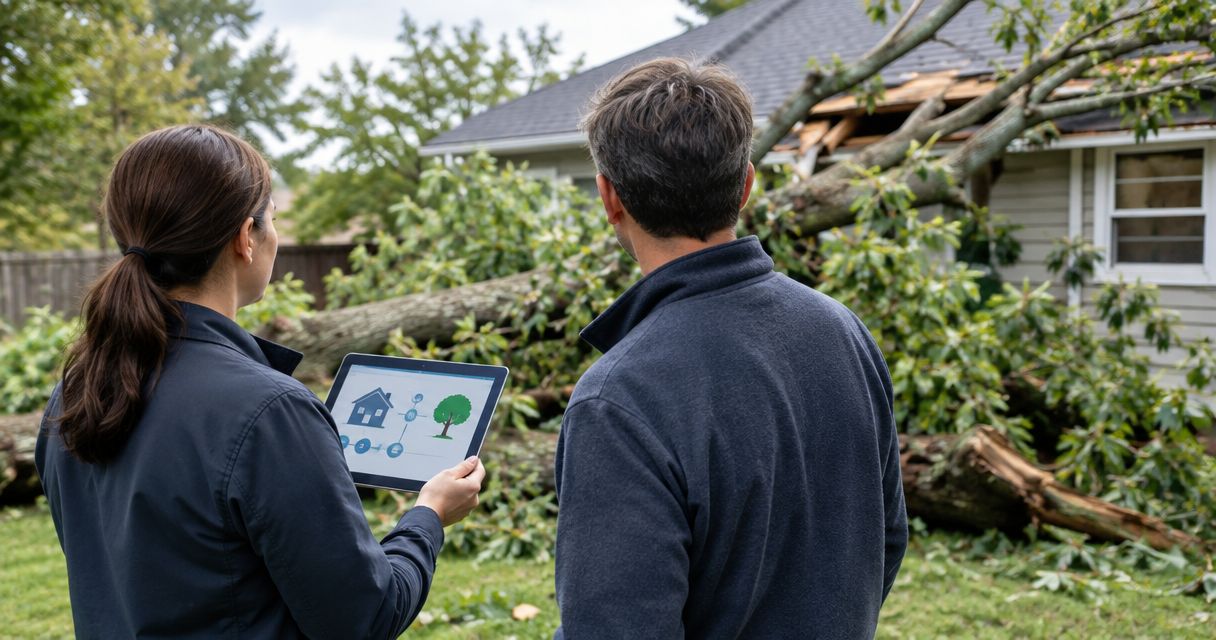
Do not approach a tree touching electrical lines, enter an unstable structure, or climb onto a damaged roof for photographs. Keep people away and contact the utility or emergency services as the situation requires. Claim documentation never takes priority over immediate safety.
Damage documentation
Create a claim folder before routine cleanup changes the scene. For a 2026 incident, use the actual incident date in the folder name and preserve the original photographs rather than keeping only edited or annotated copies.
- Record the event. Write down when you discovered the damage, what you directly observed, and which areas are inaccessible. Separate observations from guesses about why the tree failed.
- Capture 3 photo groups. From safe ground, photograph the overall scene, the tree’s contact with damaged property, and visible access restrictions. Do not move closer just to complete the set.
- List affected property. Identify the roof, fence, driveway, outbuilding, or other damaged items individually. Describe visible damage without diagnosing hidden structural problems.
- Open a communication log. Record the date, contact name, instructions, and documents exchanged after each insurer or contractor conversation.
- Keep supporting records. Save earlier photographs, relevant maintenance records, messages, and receipts that already exist. Do not reconstruct uncertain facts as confirmed history.
Expected result: You have a factual record of the original scene and a clear account of what remains unknown. The contractor and adjuster can discuss the same tree, damage, and access conditions.
Avoid cutting branches or shifting logs just to improve a photograph. Tree sections can move when loads change, and disturbing the scene can remove useful evidence. Explain any unavoidable gaps in your documentation instead.
Insurer instructions and work authorization
Report the loss through your insurer’s designated claims channel. There is no universal claims screen or approval button; use the reporting method and instructions provided with your policy.
- Describe the loss without promising a cause. Explain what happened, what was damaged, and whether an immediate hazard remains. Ask how the insurer wants photographs and contractor documents submitted.
- Ask about inspection requirements. Confirm whether an adjuster needs to inspect before nonurgent removal and what evidence to preserve if urgent work must happen first.
- Clarify mitigation instructions. Ask what immediate protective work the insurer expects and how to document it. If the insurer is unreachable, prioritize safety and necessary damage prevention while recording your actions.
- Request a coverage explanation. Ask which policy provisions, limits, exclusions, and deductible apply to the reported loss. Request written clarification when the answer affects your authorization decision.
- Confirm the next contact. Identify who reviews the estimate, who handles coverage questions, and how to report newly discovered damage.
Expected result: You know the insurer’s inspection and documentation requirements, the unresolved coverage questions, and the next action assigned to you.
A claim number confirms a reported claim, not approval of every removal task. Likewise, an adjuster receiving an estimate does not mean the insurer has accepted its full scope. Obtain a clear response before treating a disputed task as approved.
For your 2026 claim file, save written instructions alongside the version of the estimate they address. An approval referring to an earlier scope does not explain how the insurer will treat later additions.
Contractor scope and claim handoff
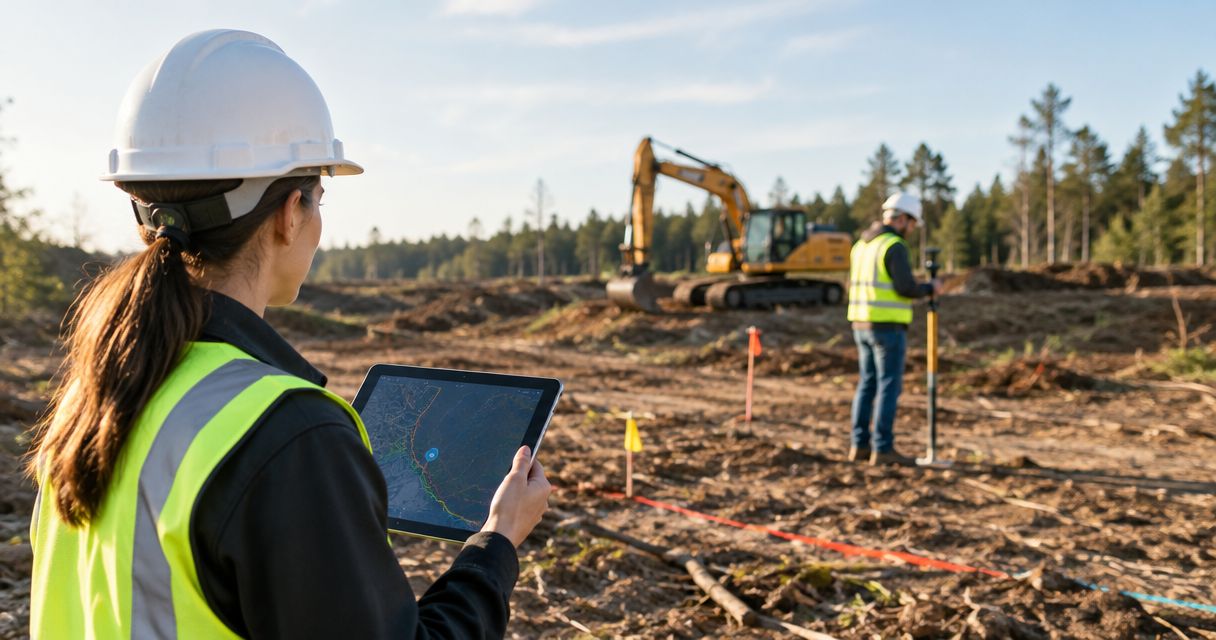
Ask for a site-specific assessment rather than a guaranteed quote based only on a description. A tree resting on a roof, restricted access, unstable branches, and nearby utilities affect how the job must be planned.
- Describe the immediate objective. Explain whether you need a hazard addressed, a tree separated from a damaged structure, or debris removed after the site is safe. Share the insurer’s inspection instructions.
- Request 2 scope groups. Separate urgent protective work from remaining removal and cleanup. Have the contractor identify any work that cannot safely be separated.
- Itemize the work boundaries. Identify the tree or sections involved, hauling arrangements, stump treatment, access protection, and exclusions. Use the guide to what a written tree removal quote should contain to check the handoff.
- Submit the written estimate. Ask the insurer to identify any disputed tasks and explain what additional documentation is needed. Do not ask the tree contractor to guarantee reimbursement.
- Authorize a defined scope. Make sure your agreement identifies the work you are approving. Read payment obligations separately from any expectation of insurance reimbursement.
- Record changes before proceeding when safe. If removal exposes additional damage or changes the required work, obtain photographs and a revised scope. Explain urgent changes promptly when waiting would create a hazard.
Expected result: You have a written work agreement, a documented insurer response, and a clear distinction between approved work and unresolved reimbursement questions.
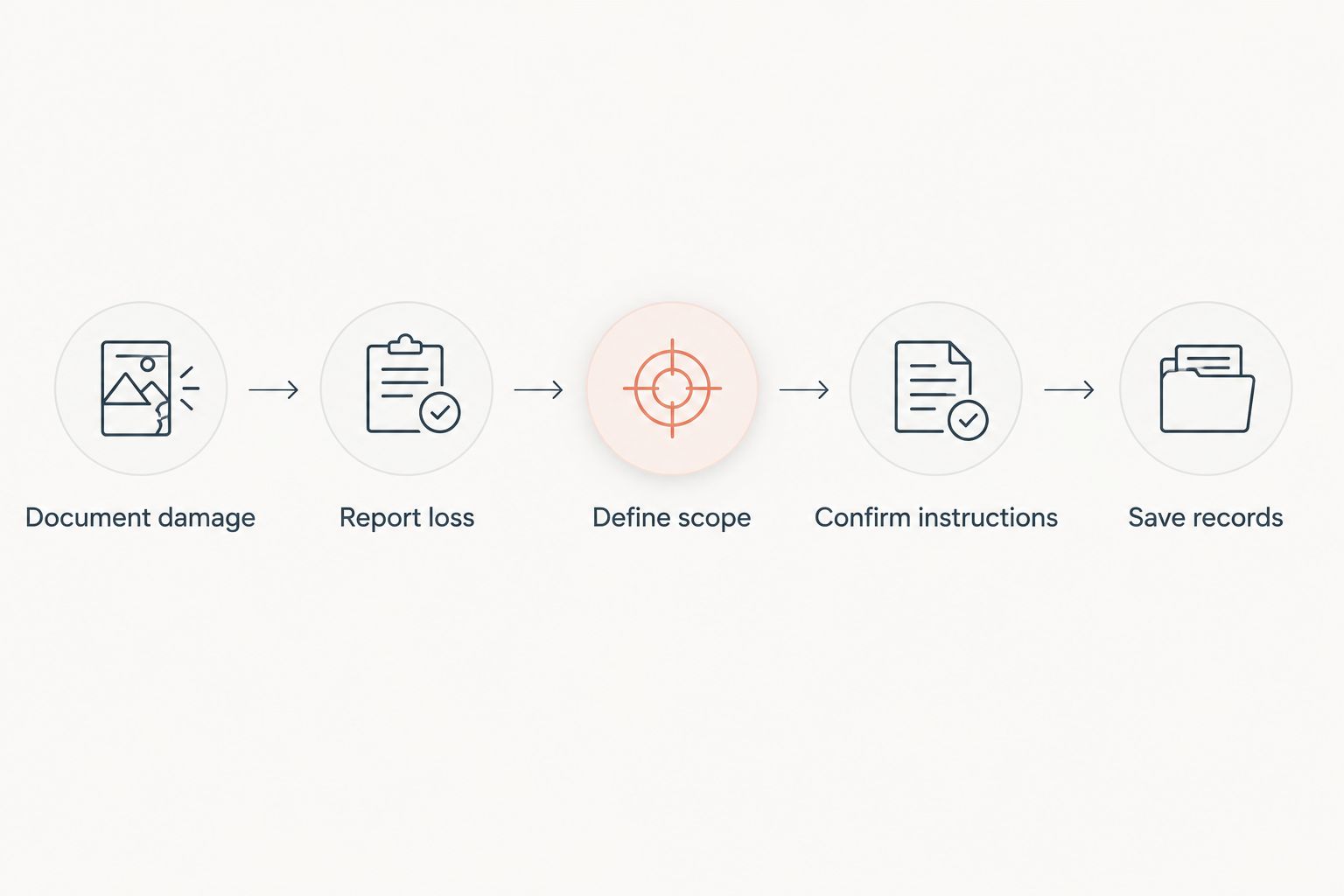
The practical sequence is Document damage, Report loss, Define scope, Confirm instructions, and Save records. Urgent safety work can interrupt that sequence; document the reason rather than delaying necessary action.
Pmmidlands serves Richland, Lexington, Newberry, Orangeburg, Sumter, Kershaw, and Fairfield counties in South Carolina. When requesting a tree-service assessment, describe the damaged property, remaining hazards, access restrictions, and any insurer inspection instructions.
Request a site-specific tree-service quote
Explain the damage, access limits, and insurer inspection instructions when you make contact.
When conditions change before inspection
A second workflow applies when another branch falls, weather exposes more damage, or removal reveals damage that was previously hidden. Update the existing claim record rather than silently replacing the original description.
- Document the change safely. Record when you noticed it and take new photographs from a safe location.
- Notify the insurer. Ask whether the change belongs under the existing claim and whether another inspection is required. Do not assume separate incidents receive identical treatment.
- Request a revised contractor scope. Separate newly necessary work from tasks already authorized or completed.
- Save both versions. Keep the original estimate and revised estimate with their respective dates and explanations.
Expected result: The insurer can distinguish original damage from later observations, and your contractor has a current authorization record.
Choose the work sequence by condition
| Workflow | Best for | Advantage | Limitation |
|---|---|---|---|
| Urgent protective work | An immediate hazard or ongoing damage | Addresses the immediate problem without waiting for routine scheduling | Requires careful documentation when inspection cannot happen first |
| Inspection before nonurgent removal | A stable scene that can safely remain undisturbed | Preserves the original scene for assessment | Is inappropriate when waiting leaves an active hazard |
| Revised scope after discovery | Additional damage exposed during work | Connects added work to documented conditions | Requires another scope and coverage discussion |
Choose the sequence based on actual site conditions, not the expectation of faster claim payment. A tree contractor assesses removal conditions; the insurer determines coverage under the policy.
Troubleshooting
The insurer wants an inspection, but the tree is unsafe
Explain the immediate hazard and ask for instructions on protective work and evidence preservation. If waiting threatens people or allows further damage, address safety first and document why the work could not wait. Do not enter the hazard area to obtain better evidence.
The estimate and insurer response describe different work
Request a task-by-task explanation. Check whether the disagreement concerns removing the tree from a structure, cutting material on the ground, hauling debris, stump work, or unrelated repairs. Resolve the scope difference rather than treating every task as interchangeable.
A neighboring tree damaged your property
Report the damage to your insurer and document the tree’s location without entering neighboring land. Do not assume the neighbor automatically owes the removal bill; responsibility depends on the facts and applicable law. Confirm access permission before any crew crosses the boundary.
The crew cannot reach the tree as expected
Tell the contractor about narrow gates, soft ground, septic areas, parked vehicles, and restricted neighboring access before authorization. Request a reassessment if conditions differ from the estimate. Share any resulting scope change with the insurer rather than assuming it receives the same treatment.
The invoice includes work you thought was excluded
Compare the signed scope, change authorizations, and final invoice. Ask for a corrected description or explanation where they differ. For a 2026 claim, preserve the original documents and dated corrections so the record remains understandable.
Customize your workflow
Use 1 shared claim file for photographs, estimates, insurer messages, authorizations, invoices, and receipts. Keep it accessible to the people who actually need it; avoid distributing policy documents more widely than necessary.
For a rental property, add tenant access arrangements and the owner’s authorization contact. For jointly owned property, agree who communicates with the insurer and signs the work agreement. These details prevent conflicting instructions at the site.
For larger cleanup jobs, separate the damaged-tree claim work from elective clearing or unrelated maintenance. Request distinct descriptions so the insurer can evaluate the reported loss without confusing it with improvements you wanted anyway.
Before closing your 2026 claim file, reconcile the completed work with the final invoice and insurer correspondence. Ask about any unresolved items while the records and site details are still easy to identify.
FAQ
What is the first step in the tree removal insurance claim process?
Make the area safe before documenting damage and reporting the loss. Stay away from unstable trees, damaged structures, and electrical lines; obtain photographs only from a safe location.
Should I wait for the insurance adjuster before removing a fallen tree?
Ask your insurer whether inspection is required before nonurgent removal. Do not delay necessary safety or damage-prevention work solely to preserve the scene; document the conditions and explain why action was necessary.
Does homeowners insurance cover every fallen tree removal?
No, homeowners insurance does not automatically cover every fallen tree removal. Coverage depends on the policy, cause of loss, damaged property, and applicable exclusions and limits.
Can the tree contractor tell me whether my insurance will pay?
The tree contractor can describe removal work, but the insurer determines coverage under your policy. Keep the contractor’s scope and the insurer’s coverage explanation as separate documents.
Is stump removal included in an insurance claim?
Do not assume stump removal is included in either coverage or the contractor’s quote. Ask the insurer about the policy and ask the contractor to identify stump work separately.
What should I do if more damage appears during removal?
Document the newly visible damage and notify the insurer promptly. Request a revised scope for additional work and preserve both the original and updated records.
What should I send when requesting a tree-service quote?
Send the property location, safe photographs, a description of damaged property, access restrictions, and insurer inspection instructions. A site assessment establishes removal requirements that photographs alone cannot confirm.
One last thing
A tree-removal invoice is not a building-repair clearance. After the tree is removed, damaged roofing or structural components still need assessment by the appropriate repair professional. Keep that repair scope separate so completing removal does not accidentally become your signal to reoccupy an unsafe area.