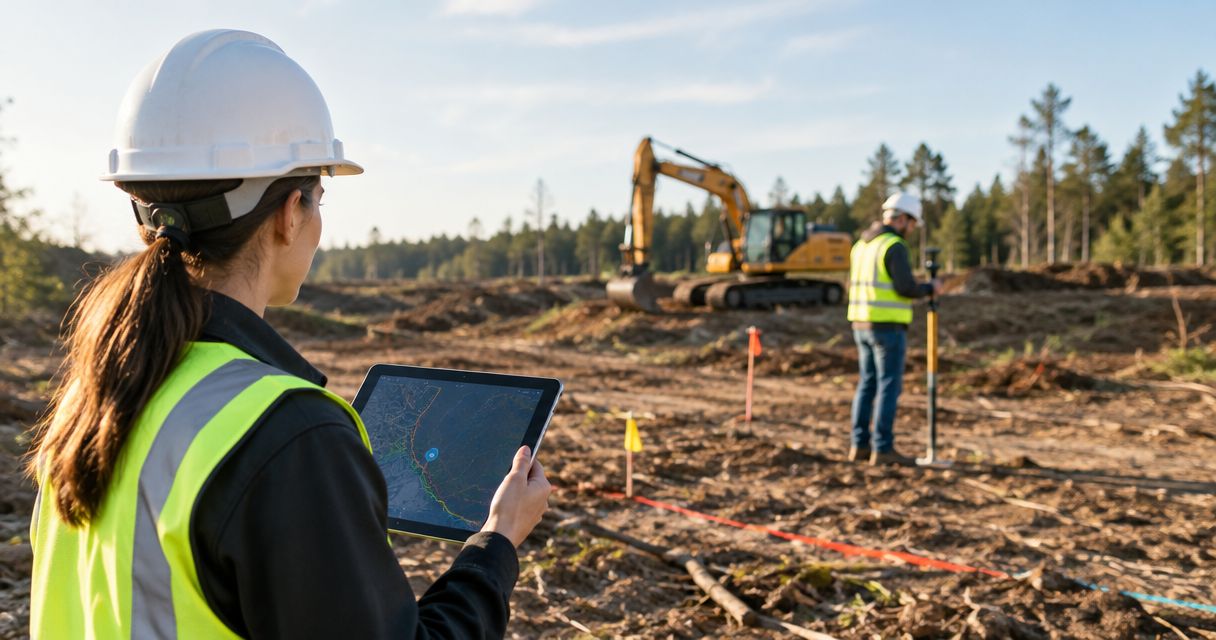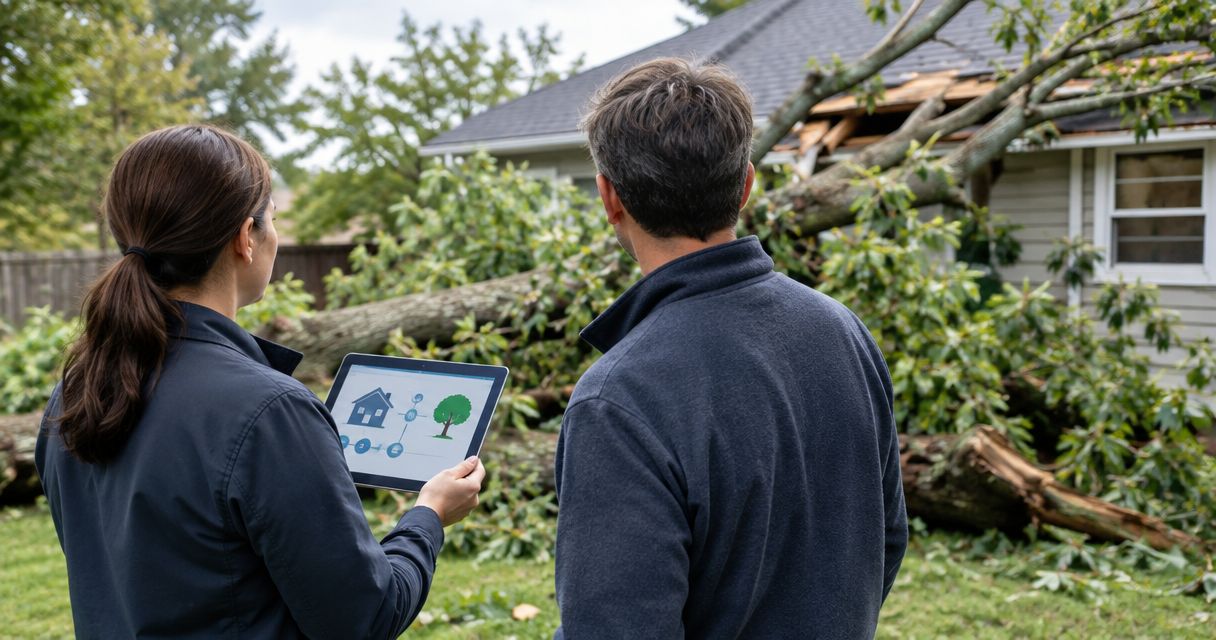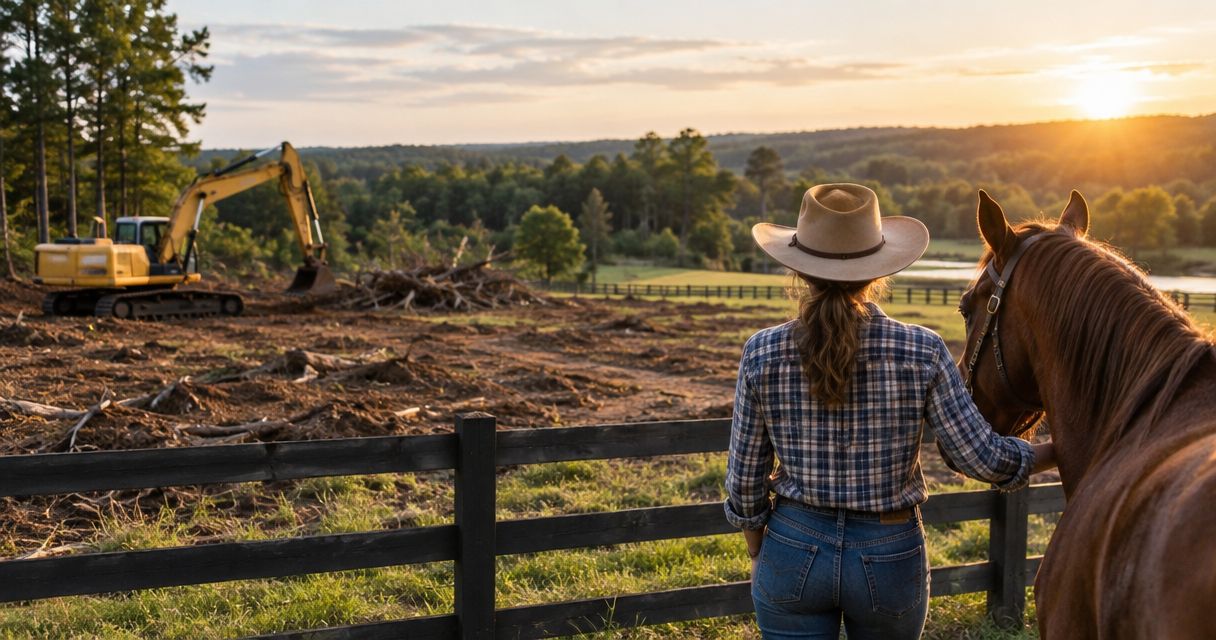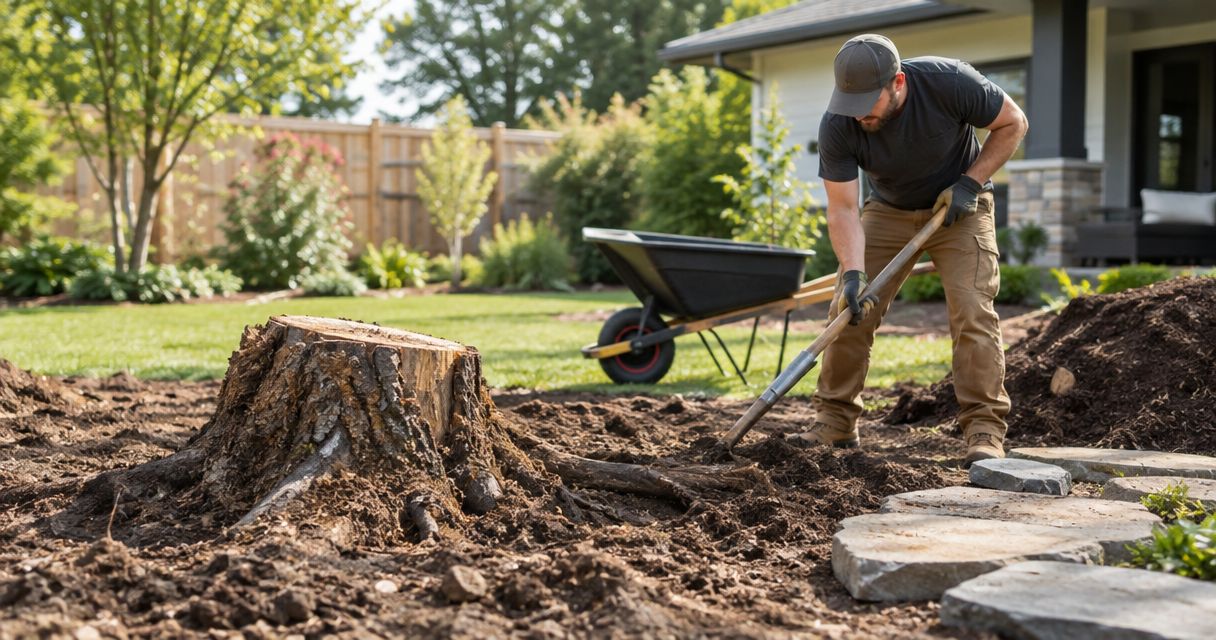
Instead of coordinating stump work and landscaping through separate calls, schedule stump removal before landscaping installation around a shared site plan and a clear handoff. For your 2026 project, complete removal, debris handling, and ground preparation before releasing the affected area for planting, sod, irrigation, or paving.
- Schedule stump removal before landscaping installation, then release the area only after ground preparation is accepted.
- Pmmidlands serves property owners seeking tree services in seven confirmed South Carolina counties.
- Match stump grinding or excavation to the intended landscape use; neither automatically delivers a planting-ready site.
- Keep equipment access open until stump debris, backfill, and ground preparation are complete.
Why this matters
A stump appointment is not the same as a landscape-ready date. Grinding can leave wood chips and roots; excavation leaves a disturbed area that needs suitable filling and preparation. Your landscape installer needs to know which condition to expect before sending materials or starting installation.
Pmmidlands is a tree services contact for property owners in Richland, Lexington, Newberry, Orangeburg, Sumter, Kershaw, and Fairfield counties, South Carolina. Request a site-specific quote through Pmmidlands with the intended landscape use clearly described.
For a 2026 installation schedule, use completion checkpoints rather than assuming a fixed waiting period. The deciding questions are whether the stump treatment matches the design, whether unwanted material is gone, and whether the installer accepts the prepared ground.
Before you start
- Prepare 1 marked site plan. Show stump locations, retained trees, proposed planting beds, lawn, paving, irrigation, and the equipment route. A clearly annotated photograph or sketch can organize the discussion.
- Confirm access and underground constraints. Obtain the necessary property permissions and utility locating before ground disturbance. Identify private irrigation, lighting cables, septic components, and other buried features that public utility marking does not necessarily cover.
- Resolve the hidden handoff problem. Ask who handles chips, root remnants, filling, and final ground preparation. Removing the visible stump does not establish that the area is suitable for the next trade.
If you already have a 2026 landscape installation booking, share it when requesting the assessment. Ask both contractors to identify dependencies before treating that date as the start of every part of the job.
Site plan and removal scope
Establish the finished use
- Mark the installation footprint. Distinguish the stump itself from the area needed for roots, trenches, bed excavation, edging, or a paved base. A stump outside a planting hole can still obstruct an irrigation route.
- Ask the installer for clearance requirements. Have the landscape contractor describe the working depth and footprint needed for the proposed installation. Do not substitute a standard grinding depth for the actual design.
- Identify retained vegetation. Point out trees and shrubs that must remain. Root work near retained trees needs assessment before the removal scope is approved.
- Record the required end condition. State whether the handoff is an exposed excavation, a cleared stump area, or filled ground awaiting the installer's preparation. Name the responsible contractor for each unfinished task.
Expected result: Both contractors work from the same footprint and understand what must be removed before installation can start.
A photograph of the stump alone is not enough. Include the surrounding yard, access route, nearby structures, and the proposed landscape layout so the assessment covers the whole working area.
Match the method to the project
Discuss the methods used to remove a tree stump before fixing the landscape sequence. Grinding and excavation create different follow-on work; neither is automatically the right choice for every site.
| Option | Best for | Advantage | Limitation | Scheduling consequence |
|---|---|---|---|---|
| Stump grinding | Sites where the specified clearance can be achieved without extracting the entire stump | Reduces the stump without removing the whole root mass | Leaves wood material and roots outside the treated area | Confirm chip removal and remaining obstructions before soil preparation |
| Stump excavation | Projects requiring the stump and specified obstructing roots to be physically removed | Allows removal of material within the agreed excavation footprint | Disturbs surrounding ground and creates a void requiring preparation | Coordinate filling and ground acceptance before installation |
Choose the required end condition first, then agree on the removal method. The site assessment must account for access, buried features, nearby structures, and retained roots. Do not select excavation merely because it sounds more complete, or grinding merely because the visible stump disappears.
Access and contractor sequence
- Reserve the working route. Keep the agreed entry, turning area, and work zone clear until removal and debris handling are finished. Tell both contractors about gates, narrow passages, slopes, and surfaces that need protection.
- Place removal ahead of vulnerable finishes. Schedule stump work before laying sod, finishing beds, installing edging, or placing materials across the access route. Otherwise, later access can conflict with completed work.
- Assign debris handling. Specify which wood chips and other debris leave the site, what stays, and where retained material goes. Do not leave a stockpile on the future planting or delivery area by default.
- Confirm the handoff contact. Where 2 crews are involved, name a contact for each. The landscape installer should receive a completion update and inspect unresolved conditions before mobilizing for the affected area.
Expected result: Removal, hauling, and landscape deliveries follow an agreed sequence without competing for the same access space.
For commercial properties, also identify pedestrian routes and occupied areas that need separation from the work zone. Property managers should coordinate those arrangements with the contractors rather than assume routine building access can continue through the work area.
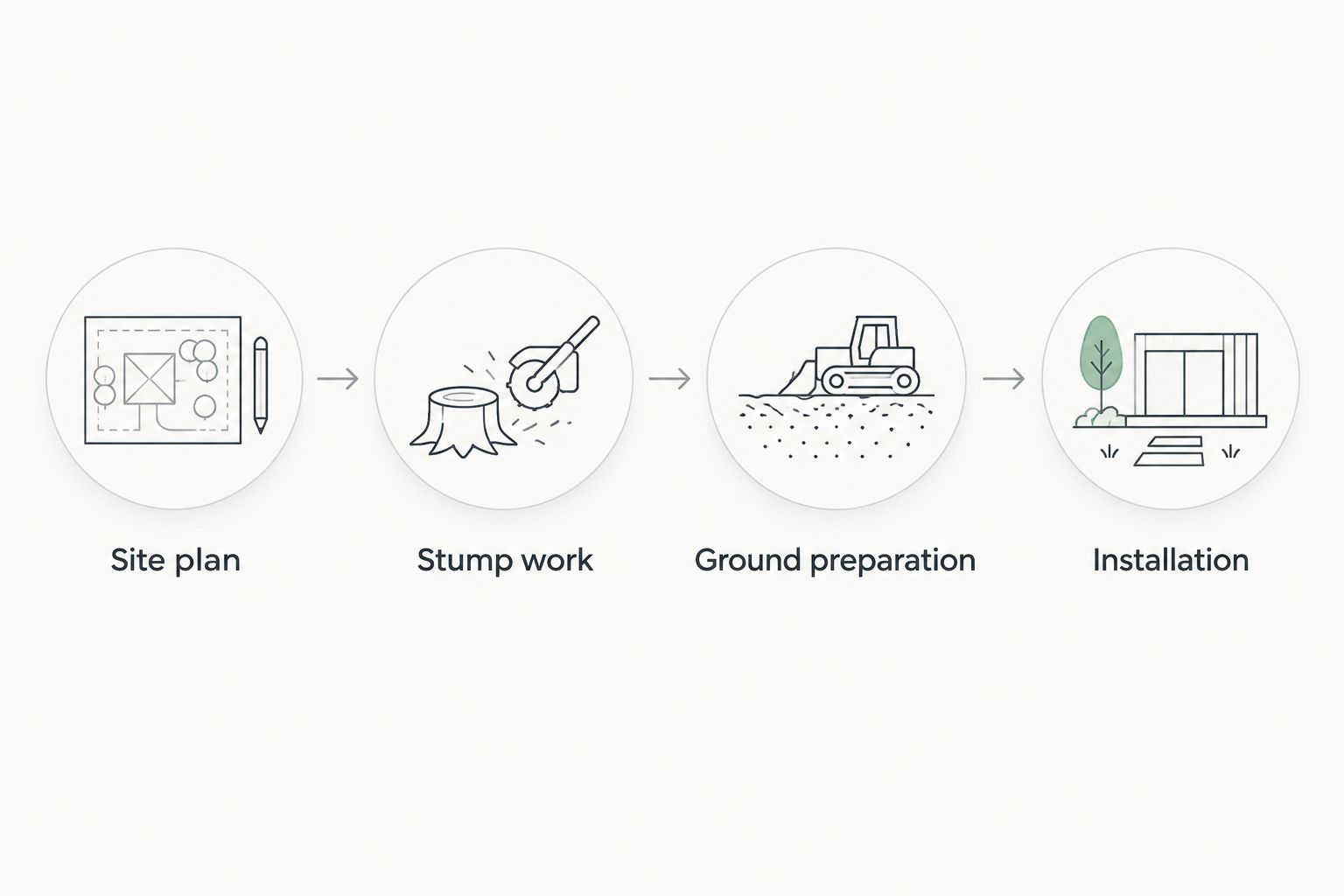
Ground preparation and installation release
- Inspect the treated footprint. Have the installer check for remaining wood and roots that interfere with the planned work. If additional removal is required, resolve it while access remains open.
- Separate wood debris from the planting medium. Do not treat a pile of grinding chips as finished soil. Agree on removal or reuse separately from the soil needed for planting or lawn establishment.
- Complete the specified ground preparation. Confirm who supplies suitable fill or soil, establishes the level, and prepares the area for its intended use. Paving and planting have different ground requirements; follow the relevant installer's specification.
- Check drainage and ground condition. Resolve unsuitable levels, soft areas, or water collecting in the treated area before covering them with new work. Ask the installer whether conditions meet the proposed installation requirements.
- Authorize the affected installation. Record acceptance and any remaining exclusions in a written message. Keep this release separate from confirmation that stump removal itself is complete.
Expected result: The next contractor accepts a defined working area rather than inheriting an unexplained hole, chip pile, or unfinished surface.
Use 3 handoff checks: clearance, material condition, and finished level. Those checks organize the conversation; they do not replace a site assessment or the installer's preparation requirements.
There is no useful universal waiting period for this handoff. Time alone does not remove buried wood, correct drainage, or establish a suitable base. Ask what physical condition must change and who will verify it.
Request a site-specific tree services quote
Explain the stump location, access route, and planned landscaping when requesting an assessment.
A second workflow: when the landscape design changes
A revised bed, path, or irrigation layout can change the required stump clearance. For a phased 2026 project, repeat the scope check whenever the installation footprint changes rather than relying on the original removal instructions.
- Mark the changed footprint. Show what moved and whether it crosses the former stump or remaining roots.
- Pause the affected work. Ask the installer which activities can proceed elsewhere without blocking access or covering unresolved ground.
- Request reassessment. Send the revised plan to the removal contractor and identify any additional clearance the installer requires.
- Repeat the ground handoff. Release the changed area only after the revised removal and preparation requirements are met.
Expected result: A design change becomes a defined scope update, not an unexpected obstruction during installation.
This variant also applies when a project moves from lawn to paving. Do not assume an area prepared for planting meets the requirements of a load-bearing surface. Have the paving contractor specify and accept the necessary base preparation.
Troubleshooting
The stump is gone, but the installer finds roots
Check whether those roots lie within the agreed installation footprint and clearance scope. Ask the removal contractor and installer to define the additional work before digging continues, especially near retained trees or buried services.
The area contains mostly grinding chips
Confirm whether chip removal was included and whether retained chips were meant for a separate use. Arrange the agreed cleanup and soil preparation before planting; do not hide the material beneath a thin finish layer and call the area ready.
The treated ground is soft or collecting water
Stop installation in the affected area and have the installer assess levels, drainage, and preparation. Waiting for a calendar date does not resolve the cause. Establish the corrective work before delivering sod, plants, or paving materials there.
New materials block the removal route
Move the delivery or revise its staging location before the removal visit. If relocation is impractical, request another access assessment rather than directing equipment over finished landscaping without an agreed protection plan.
Each contractor expects the other to handle filling
Return to the written scope and name the responsible party. Obtain agreement on material, placement, and acceptance before restarting the sequence. A removal completion message is not evidence that filling or final grading was included.
Customize your workflow
Ask Pmmidlands to assess the tree-work portion against your planned landscape use, then have the installer define the ground condition needed for the next phase. Keep the quote request specific: stump locations, intended use, access restrictions, retained vegetation, and responsibility for debris.
If the project also involves standing trees, address protecting landscaping during large tree removal before committing to the installation sequence. Protection and access decisions belong in the plan, not after new planting is in place.
For a multi-area property, divide the plan into independently accepted work zones. Release a completed zone only if later removal traffic will not cross it. This approach supports phased work without treating the entire property as ready at once.
FAQ
How long before landscaping should I schedule stump removal?
Schedule stump removal early enough to complete debris handling, any additional root work, and required ground preparation before installation. Set the handoff by the installer's acceptance of the area, not a universal number of days.
Can I lay sod immediately after stump grinding?
Lay sod only after the affected area has been cleared and prepared for lawn installation. Grinding completion alone does not confirm suitable soil, levels, or ground condition.
Is stump grinding better than excavation before landscaping?
The better method depends on the clearance required for the planned landscaping. Grinding leaves roots outside the treated area, while excavation disturbs more ground and requires an agreed filling and preparation plan.
Who should remove the wood chips before planting?
The contractor assigned chip removal in the written scope should handle that work. Confirm the responsibility before scheduling, including where any retained chips will be placed.
Can landscaping start elsewhere while stump work continues?
Separate areas can proceed only when their work and access routes do not conflict. Have both contractors agree on boundaries, deliveries, and which areas remain unavailable.
What should I send Pmmidlands when requesting a tree services quote?
Send stump photographs, a marked landscape plan, access details, and the intended use of the affected ground. Identify known underground features and request a site-specific assessment of the removal scope.
Should I arrange utility locating before stump removal?
Arrange the required utility locating before ground disturbance and identify private underground systems separately. Give the removal contractor the relevant markings and site information before work starts.
One last thing
The last equipment trip matters as much as the stump removal date. Before approving your 2026 landscape installation start, ask whether debris collection, additional root work, or fill delivery still requires access through the finished area. Close that dependency before committing the surface to new landscaping.