To get a tree removal quote for multiple trees, identify each tree, describe what you want removed, and request a site assessment with a written scope for the entire job. Ask the contractor to separate tree removal, stump work, debris handling, and optional trees so you can compare quotes without assuming every task is included.
- Request a tree removal quote that identifies every tree and defines stump work, debris removal, and cleanup.
- Pmmidlands serves property owners seeking tree services in its confirmed South Carolina service area.
- Use matching tree identifiers in your photos, site walkthrough, and written quote.
- Ask for optional trees separately; do not assume grouping trees guarantees a discount.
How do you get a tree removal quote for multiple trees?
Give every contractor the same tree list and the same requested finish. A quote for cutting trees and leaving wood on site is not equivalent to one that includes hauling wood, addressing stumps, and removing scattered branches.
For a 2026 project in Richland, Lexington, Newberry, Orangeburg, Sumter, Kershaw, or Fairfield County, start with Pmmidlands and request a site-specific assessment. Describe the property and the work you want assessed rather than asking for a guaranteed amount based only on tree count.
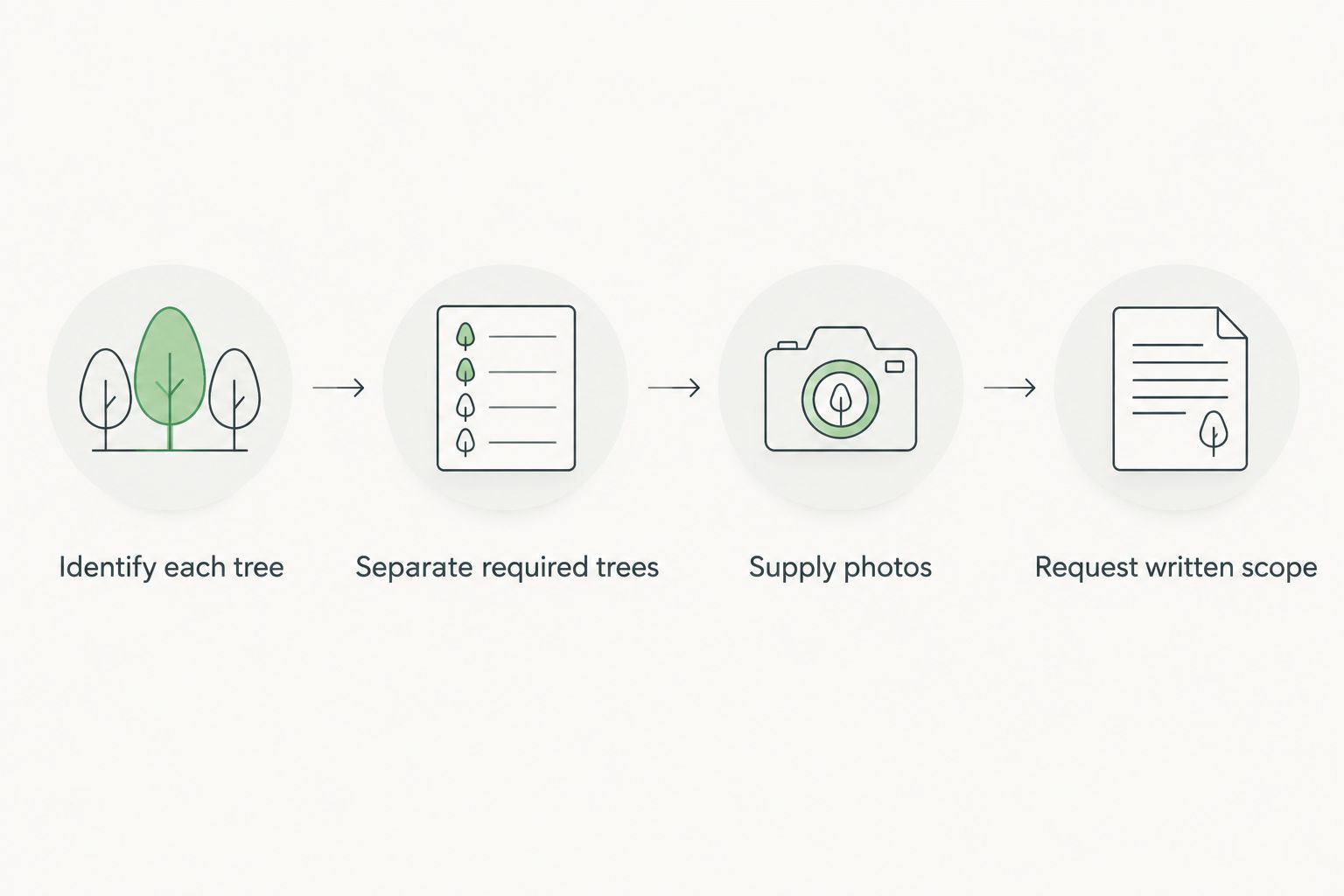
1. Identify each tree separately
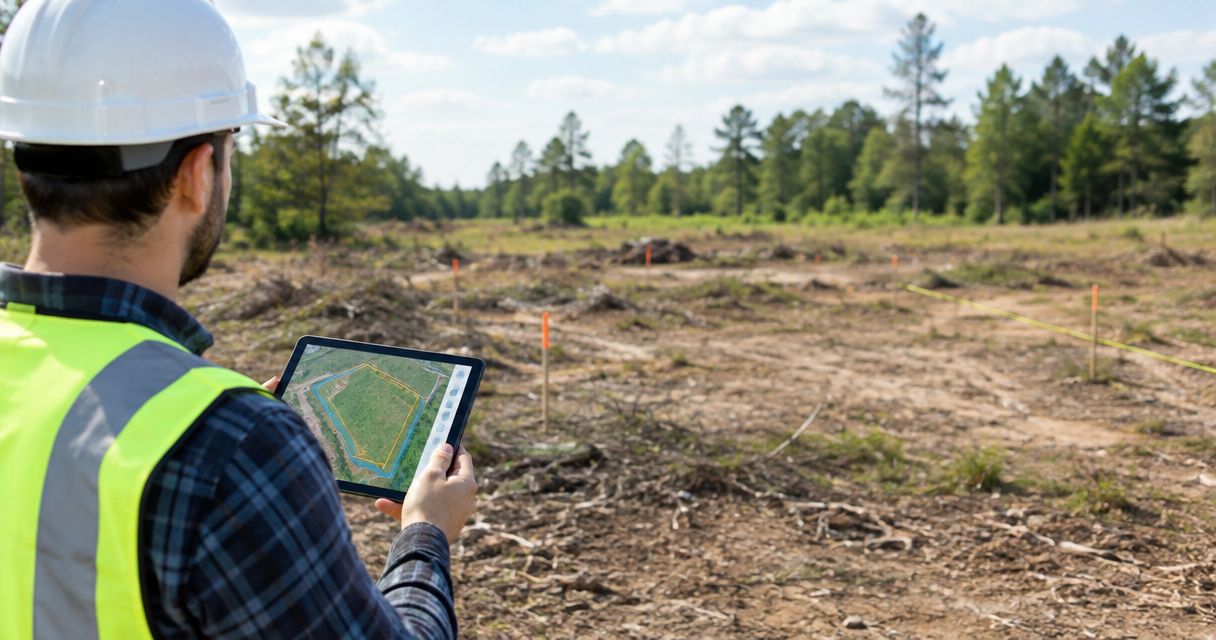
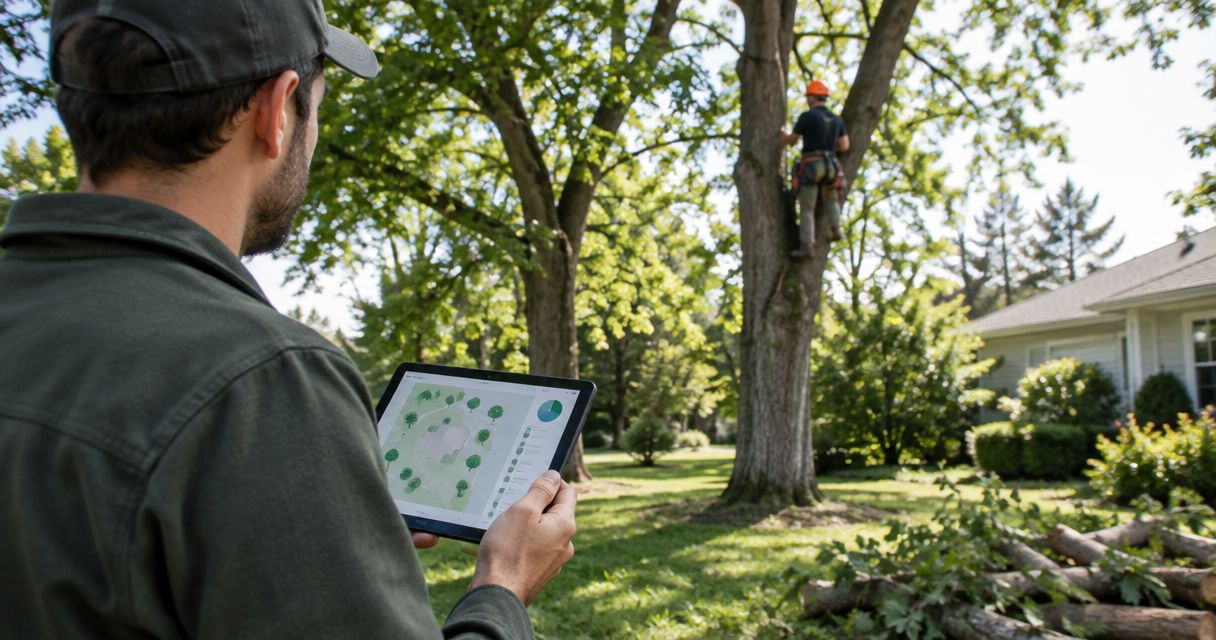
Assign 1 identifier per tree, such as Tree A, Tree B, and Tree C. Match that identifier to a photo and a clear location description: beside the driveway, behind the garage, or along the rear fence.
Use labels on a photo or property sketch rather than approaching an unstable tree to attach a marker. Include nearby trees you want retained so the removal boundary is clear.
2. Separate required trees from optional trees
List the trees you definitely want assessed for removal, then identify any you would consider adding. Explain your reason for each request, such as visible damage, interference with a planned project, or unwanted growth.
Ask the contractor to distinguish the base scope from optional work. That gives you a usable decision document instead of a combined proposal that becomes unclear when you remove a tree from the plan.
3. Supply photos without treating them as the final assessment
Aim for 3 photo views per tree: the whole tree, the base, and the surrounding work area. These are suggested views for organizing your request, not a substitute for an on-site inspection; take them only from a safe position.
Show buildings, fences, gates, overhead lines, and the route from the street. The guide to requesting a tree removal quote using photos helps you organize that first conversation.
4. Request a written scope after the walkthrough
Walk through the tree list with the contractor and confirm what happens to trunks, branches, stumps, and surrounding areas. Ask the written quote to identify exclusions as clearly as included work.
Before accepting, compare the proposal against your original identifiers. Every requested tree should appear as included, optional, excluded, or awaiting further assessment—not disappear into a phrase such as general tree work.
Why this matters
A multiple-tree project contains separate decisions: which trees come out, how the work area is reached, what stays protected, and what remains afterward. Tree count alone does not settle any of them.
Your goal is not merely to collect totals. Your goal is to make each contractor quote the same result. That makes omissions visible before you authorize work and gives you a clear basis for discussing changes.
For commercial property managers, the scope also needs to identify occupied areas, parking access, and who can approve adjustments. For homeowners, the same discipline protects decisions about gardens, fences, lawns, and trees that must remain.
Choose the scope before comparing quotes
For your 2026 quote request, decide whether you want a combined project, optional additions, or separate phases. These are ways to organize a proposal, not promises about how a contractor will perform the work.
| Quote structure | Best for | Main advantage | Main limitation |
|---|---|---|---|
| Combined scope | Owners ready to authorize all listed trees | Defines one agreed project | Makes individual changes harder to evaluate unless options are separated |
| Base scope with optional trees | Owners still deciding which trees to include | Keeps required and discretionary work distinct | Optional work needs its own clear inclusions |
| Phased scope | Properties with separate approvals or areas | Separates authorization by phase | Access and scheduling arrangements need confirmation for each phase |
Combined scope: all identified trees
A combined proposal suits a project where you already know which trees you want assessed for removal. Ask for a complete tree list even if the contractor presents one project total.
The advantage is a single scope to review. The drawback is reduced clarity when a tree is added or removed unless the contractor documents the change and any effect on the agreement.
Base scope with optional trees: preserve your choices
Put essential work in the base scope and uncertain trees in a separate optional section. Tell the contractor whether the optional trees are beside the required work or in a different area.
This structure supports a clear decision without committing to every tree immediately. Its limitation is that an optional line still needs to specify stump handling, debris, and cleanup; a tree name alone is not a complete scope.
Phased scope: separate areas or approvals
Phasing fits a property where different areas require separate decisions or where you need to keep part of the site in use. Name the boundaries and the person authorized to approve each phase.
The benefit is control over authorization. The limitation is that you must confirm access, work boundaries, and completion conditions for each phase rather than assuming the first agreement covers every later visit.
Why a multiple-tree removal quote varies
Compare site conditions and scope, not just the number of trees. Ask the assessor to explain which of these factors affect your project:
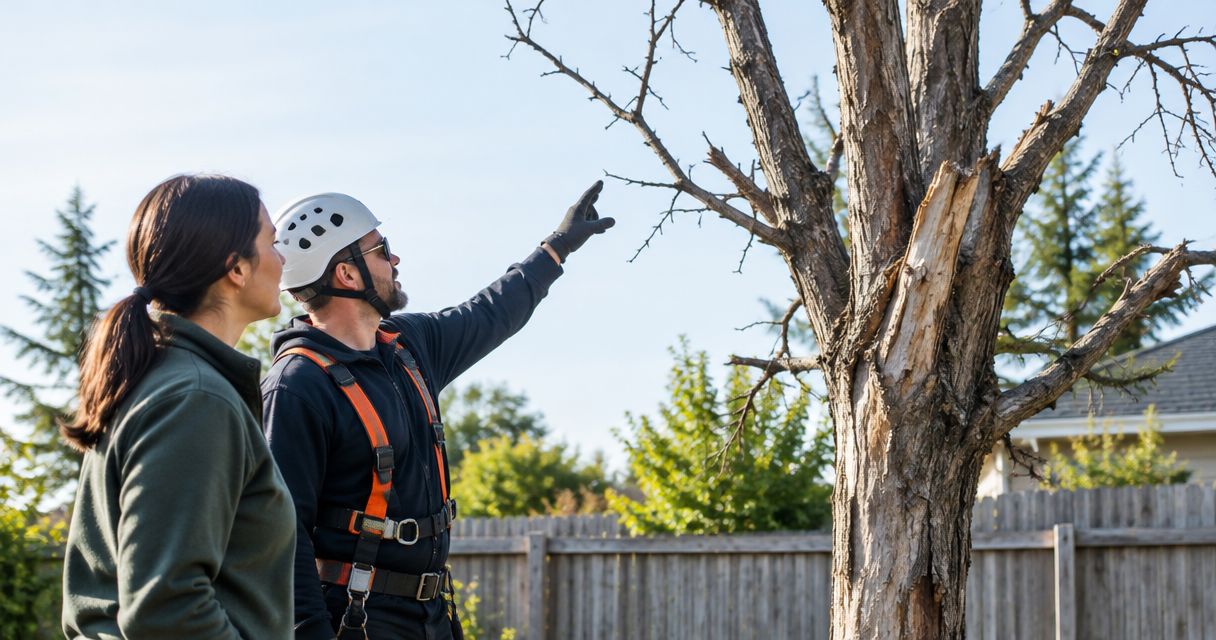
- Tree condition: Describe visible dead branches, a split trunk, or an existing lean without trying to diagnose structural safety yourself.
- Surrounding obstacles: Identify houses, sheds, fences, gardens, parked vehicles, and overhead lines near the work.
- Property access: Explain gates, steps, narrow passages, slopes, and restrictions on crossing neighboring land.
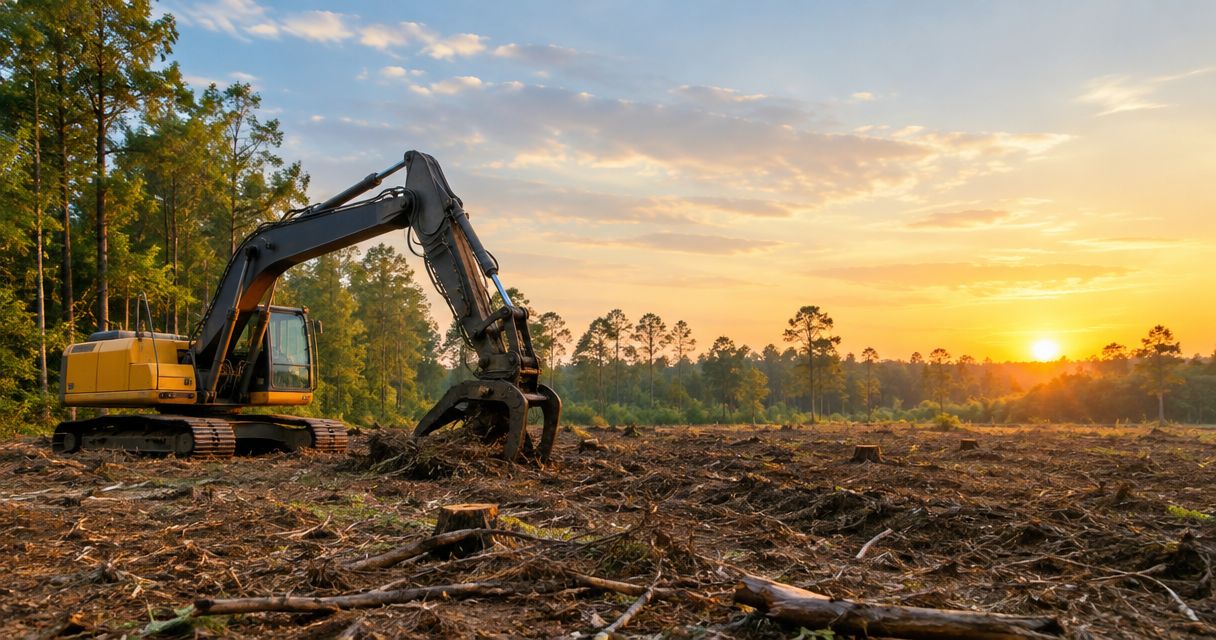
- Work boundaries: Distinguish scattered tree removal from clearing an area, and mark trees or vegetation that must remain.
- Material handling: State whether you want wood retained, moved within the property, or removed, and ask what the contractor can include.
- Finishing requirements: Specify the requested treatment of stumps, small debris, and disturbed areas instead of assuming a particular finish.
Avoid measuring a damaged tree or entering a restricted area just to complete the request. Describe what you can observe safely and leave uncertain conditions for the assessment.
What should your written quote include?
Use 4 scope headings in your 2026 comparison notes: trees, access, materials, and finish. These headings organize your review; they do not impose a contractor's working method.
Trees
Confirm the identifiers and locations of every included tree. Separate optional trees, excluded trees, and retained trees, especially where canopies overlap or several trunks grow close together.
If the contractor recommends changing the tree list after inspection, ask for the revised scope in writing. A conversation at the property should not leave you guessing which version controls the job.
Access
Record the agreed entry route and any restrictions affecting the property. Mention locked gates, tenant access, deliveries, parking areas, and any route that crosses land you do not control.
Do not offer a neighbor's driveway as an available route without permission. Ask what access the contractor needs before moving vehicles, dismantling a fence, or changing the property.
Materials
State what should happen to branches, logs, and other tree material. If you want to keep wood, identify the intended location and ask what handling is included.
Retaining wood does not automatically define how it will be cut, stacked, or moved. Put the agreed result into the scope so both parties understand what remains on site.
Finish
Ask whether stump work is included and what condition the work area will be left in. Discuss any separate expectations for filling, grading, or restoring disturbed ground.
Tree removal does not, by itself, define the finished surface. If you need an area ready for a later driveway, landscaping, or another project, describe that intended use during the assessment.
How should you request the site assessment?
Send a short project brief rather than a long message with unlabeled attachments. Put the property location first, then the tree list, your requested outcome, and any access restrictions.
A useful 2026 request contains these details:
- Property address and county.
- Your role as owner, authorized representative, or property manager.
- Tree identifiers with matching photos.
- Required trees and optional trees.
- Known obstacles and access restrictions.
- Your preferences for stumps, wood, debris, and cleanup.
- Areas, trees, and property features that must remain undisturbed.
- Any approval or scheduling constraints the contractor needs to discuss.
For Pmmidlands tree services, keep the request tied to the confirmed service area: Richland, Lexington, Newberry, Orangeburg, Sumter, Kershaw, and Fairfield counties in South Carolina. Request an assessment rather than a completion promise before the site conditions are reviewed.
Request a site-specific tree quote
Prepare your tree list, photos, access details, and cleanup requirements before making contact.
Can you get one quote for several trees?
One written quote can cover several trees if it identifies the full scope. Ask the contractor to list every included tree and distinguish optional work so you can understand what changes if you revise the project.
A combined proposal is not evidence of a discount. Discuss the actual scope and terms rather than assuming the same amount applies to every tree or that adding trees always reduces the total per tree.
Do you need an itemized quote for every tree?
Tree-by-tree identification matters more than a separate figure for every tree. You need to know which trees are included, but the contractor can explain how the overall proposal is structured.
Ask for separate optional lines when you genuinely need to choose between trees. Requiring a separate breakdown for every shared activity is less useful than making the agreed outcome clear.
Should stump and debris removal be included?
Stump and debris handling should be stated explicitly, whether included or excluded. Ask what remains after the tree work and whether any additional finishing is a separate task.
Match that answer to your next use of the property. Keeping logs for personal use and preparing an area for landscaping require different written instructions, even when the same trees are removed.
FAQ
What's the best way to request a tree removal quote for several trees?
The best starting point is a labeled tree list, matching photos, and a request for a site assessment. Specify required trees, optional trees, access restrictions, and your expectations for stumps and debris.
Can I get a multiple-tree removal quote from photos alone?
Photos help explain the project, but they do not replace an on-site assessment of conditions and access. Ask whether any initial proposal is subject to inspection or further clarification.
Is removing several trees together always cheaper?
Do not assume removing several trees together guarantees a discount. Ask the contractor to explain the combined scope and how optional additions affect the proposal.
Should I mark trees before the contractor visits?
Use matching identifiers on photos or a property sketch before the visit. Do not approach an unstable tree or enter an unsafe area to attach a physical marker.
Does a tree removal quote automatically include stump removal?
Do not assume stump removal is included in a tree removal quote. Request an explicit statement covering stump work, debris handling, and the condition of the finished area.
What should a property manager include in a quote request?
A property manager should include the tree list, access restrictions, occupied areas, and the person authorized to approve work. Identify parking, delivery, tenant, or other site-use requirements that need discussion.
Where can I request Pmmidlands tree services?
Pmmidlands serves Richland, Lexington, Newberry, Orangeburg, Sumter, Kershaw, and Fairfield counties in South Carolina. Provide the property location and request a site-specific assessment of your tree work.
One last thing
Mark what stays as carefully as what goes. A multiple-tree removal request should identify retained trees, nearby planting, and the boundaries of the work—not just the trees you want removed.
For your 2026 project, keep the final tree list beside the accepted quote and check that both describe the same job. Pmmidlands is a tree-services option for property owners in its confirmed South Carolina service area; a site-specific request gives that conversation a clear starting point.