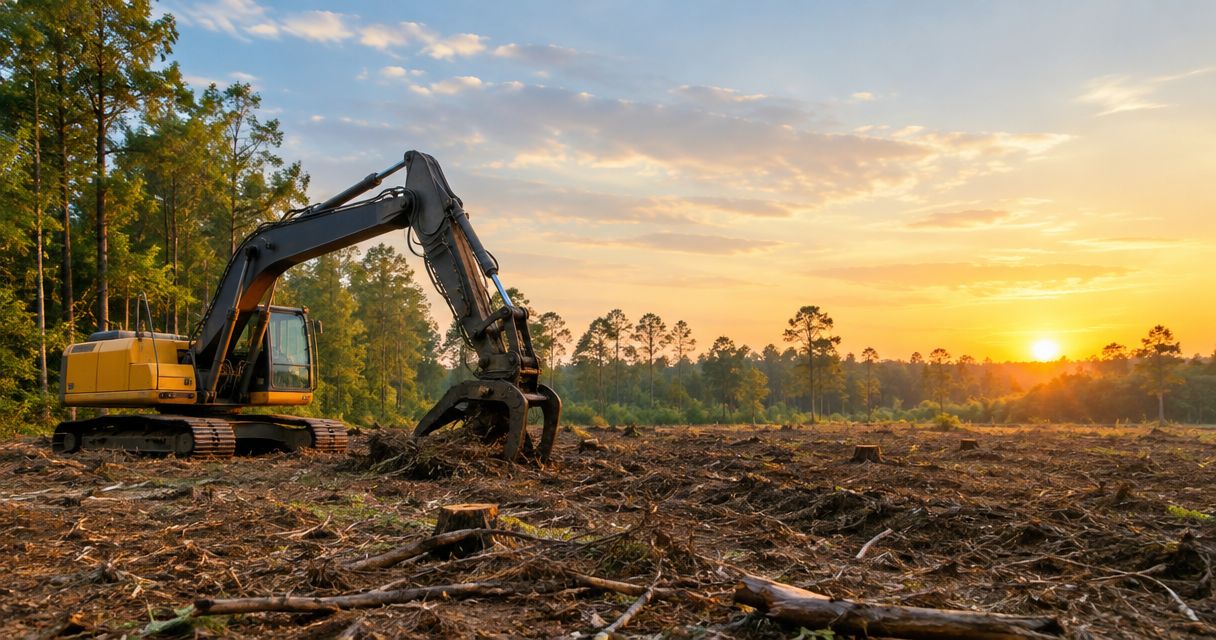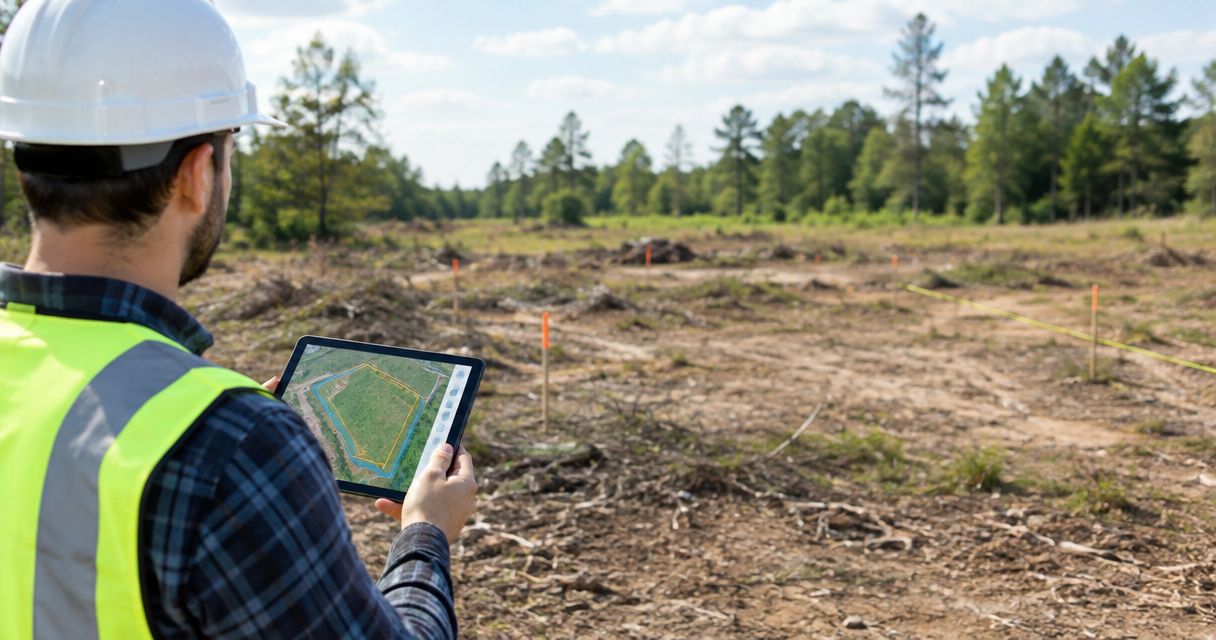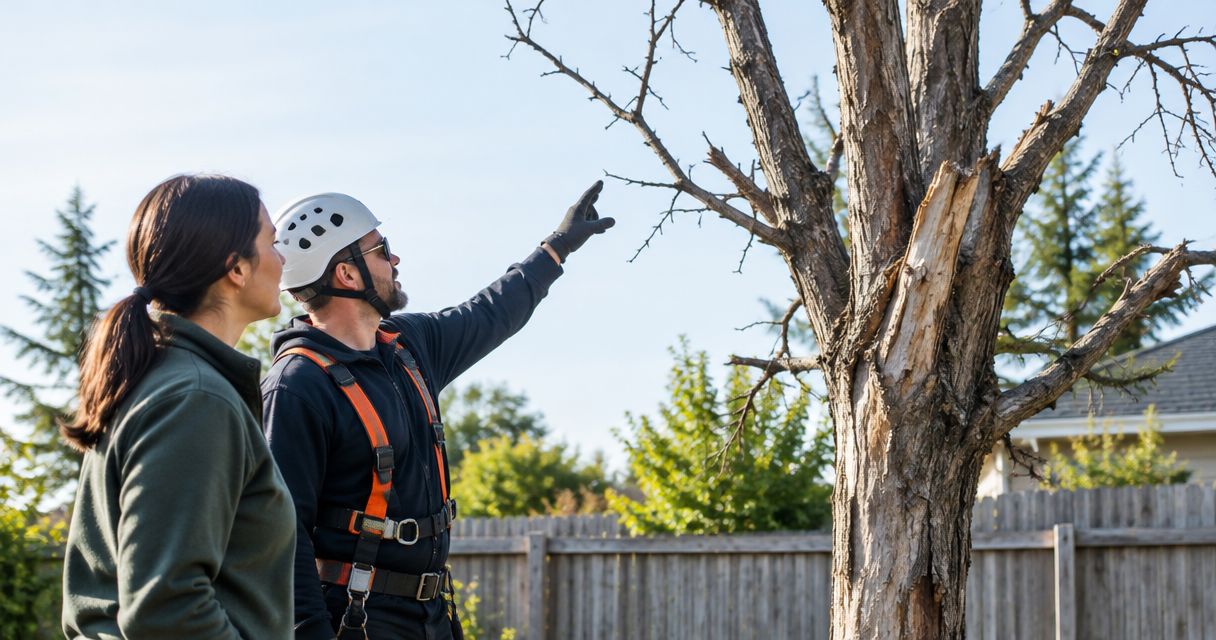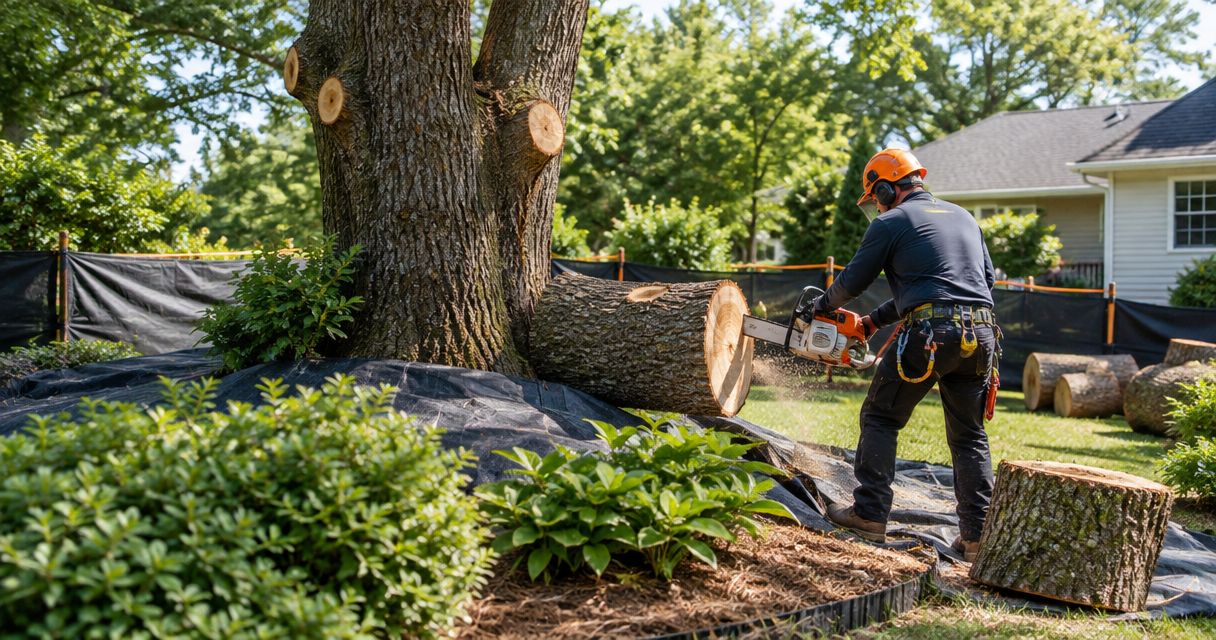
Protect landscaping during large tree removal by agreeing on access routes, plant-protection areas, wood-handling locations, and cleanup responsibilities before work begins. Ground protection helps manage traffic, but it does not eliminate soil compaction, broken irrigation, or damage to plants; the removal method and protection plan need a site assessment.
- Large tree removal needs a landscaping-protection plan before equipment enters your property.
- Pmmidlands serves tree-service customers in seven confirmed South Carolina counties; request a site-specific assessment.
- Identify plants to retain, irrigation lines, access routes, and wood-staging areas before work starts.
- Ground protection does not guarantee undamaged turf; agree on cleanup and restoration responsibilities in writing.
For properties in Richland, Lexington, Newberry, Orangeburg, Sumter, Kershaw, and Fairfield counties, contact Pmmidlands to discuss your tree-service project. Include landscaping concerns in the initial inquiry, rather than waiting until the crew arrives.
How do you protect landscaping during large tree removal?
Use these 6 planning steps to turn a general request to protect the yard into a defined job scope. For a removal project in 2026, keep the agreed plan with the quote so access, protection, and cleanup are considered together.
1. Identify what must stay
Walk the property before the site assessment and list the landscaping you want retained. Include lawn areas, shrubs, flower beds, vegetable gardens, and neighboring trees, along with fences, edging, paths, and irrigation components.
Describe anything that is difficult to replace or easy to overlook. A dormant planting bed can look empty, while a low irrigation head can disappear beneath leaves.
Take overview photographs and closer pictures of existing conditions from safe, accessible locations. Photograph existing ruts, cracked edging, and damaged paving so the starting condition is clear.
Do not attach markers to a dangerous tree or enter an unsafe area to document plants. Explain inaccessible features to the contractor instead.
2. Agree on an access route
Ask where workers, equipment, and removed wood will travel. The shortest route is not automatically the route that best protects your landscaping, especially when it crosses planted beds or roots of trees you are keeping.
Identify gates, steps, narrow turns, slopes, and overhead restrictions. Point out septic components, drainage features, buried irrigation, and other known underground systems; do not assume their locations are obvious.
Ask whether the proposed route changes if the ground becomes wet. A route that works under firm conditions needs reconsideration when soil softens.
3. Separate protection, travel, and staging areas
Divide the plan into 3 site zones: protected areas, access routes, and staging areas. Each needs a clear purpose, even when a small yard leaves little room between them.
- Protected areas: Plants, beds, retained trees, and landscape features that must remain outside routine traffic and storage.
- Access routes: The agreed paths for workers, equipment, and debris movement.
- Staging areas: Locations for temporary wood, brush, and loading activity.
Ask the contractor how those boundaries will be communicated to the crew. Temporary markers identify the plan, but they do not make it safe for you to approach active removal work.
4. Confirm how wood will leave the tree
Ask how the contractor plans to control branches and trunk sections near landscaping. The answer depends on tree condition, available space, access, and nearby structures; it cannot be settled from tree height alone.
Explain which beds or features sit beneath the canopy. Ask where cut material will land, where it will be moved, and whether any proposed handling area conflicts with plants you want retained.
Let the contractor determine the removal method after assessment. Your role is to identify priorities and approve the scope, not direct cutting or rigging.
5. Protect small features before work starts
Move portable planters, furniture, garden ornaments, and hoses out of the agreed work area before the scheduled work, provided you can do so safely. Ask the contractor when preparation must be complete and which areas must remain clear.
Point out irrigation heads, landscape lighting, exposed cables, and fragile edging. Ask what protection or temporary relocation is appropriate rather than improvising covers beneath a hazardous tree.
Do not wrap plants in heavy material or place boards against them without discussing the arrangement. A cover that catches falling material can still transfer weight onto the plant beneath it.
6. Define cleanup and restoration
Ask whether the scope includes brush removal, wood removal, stump work, chip removal, and surface cleanup. These are separate tasks; a tree-removal quote should identify which are included.
Then address landscaping explicitly. Specify how the contractor will handle displaced edging, visible irrigation damage, ruts, and disturbed planting areas, including work excluded from the quote.
Plan 2 walkthroughs: one before work to confirm conditions and one after the contractor says the site is safe to inspect. Use the same photographs and agreed scope during both.
Why landscaping protection matters
A successful removal is not just about getting the tree down. Moving wood and equipment through a property creates separate challenges for lawns, beds, underground systems, and trees that remain.
Protecting the work route matters as much as protecting the area beneath the canopy. A carefully controlled cut does not address repeated traffic across wet turf or brush stored against a shrub.
For your 2026 project, assess the whole route from the tree to the loading location. Property managers should also identify pedestrian paths, tenant entrances, and areas that need controlled access during work.
Which ground-protection approach fits your yard?
Ground protection needs to match the ground conditions and planned traffic. Ask the contractor to explain the proposed approach and its limits rather than requesting a particular material without knowing the equipment or loading involved.
| Approach | Best for | Benefit | Limitation |
|---|---|---|---|
| Existing hardscape | Access where a suitable paved route already exists | Keeps traffic away from some planted surfaces | Paving, edges, and underground features still need assessment |
| Temporary ground protection | Necessary travel across lawn or other vulnerable ground | Provides a planned surface for traffic | Does not guarantee protection from compaction or rutting |
| Traffic exclusion | Beds and retained-tree areas outside necessary access | Avoids direct traffic through the protected area | Requires enough space for an alternative route |
The strongest plan combines appropriate access with clear exclusions. Ground protection is not permission to drive anywhere in the yard. Ask what happens if the agreed route proves unsuitable once work begins.
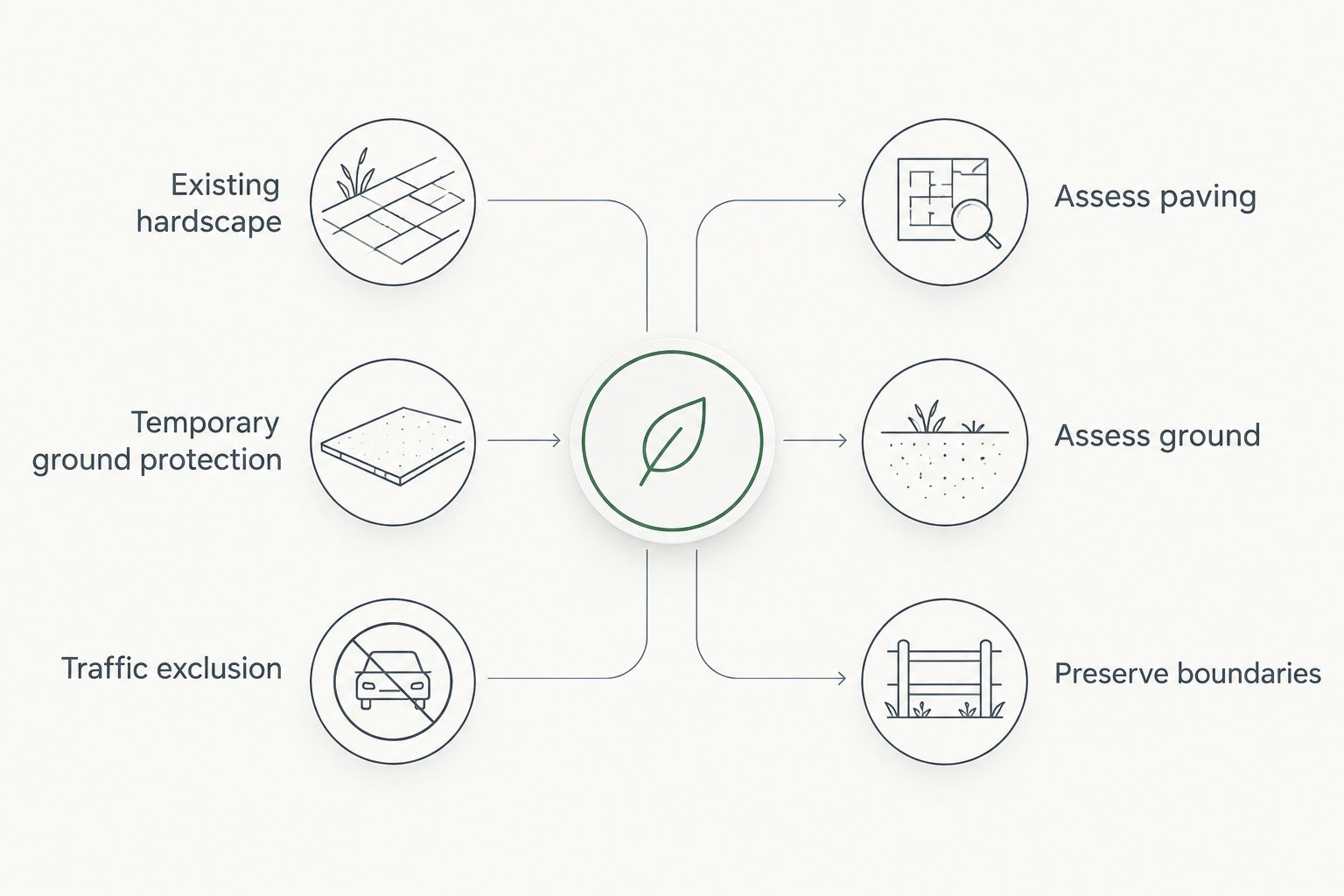
During the assessment, assess paving, assess ground, and preserve boundaries as separate decisions. A sound driveway does not establish whether its edge can support the proposed traffic, and a protected bed still needs a clearly identified boundary.
Why landscaping-protection needs vary
The right protection plan depends on the property, not just the tree's size. These factors explain why a contractor needs to inspect the work area before confirming the scope:
- Tree condition: Dead, damaged, or unstable sections affect how work can be approached and where people must stay clear.
- Planting layout: Beds beneath the canopy and plants beside the access route create different protection needs.
- Ground conditions: Wet soil, slopes, drainage problems, and soft areas affect travel and staging decisions.
- Access restrictions: Gates, narrow passages, steps, and tight turns limit available routes.
- Retained trees: Roots extend beyond the trunk, so nearby ground needs attention even where no branches will fall.
- Debris handling: The location and movement of brush and logs determine which areas experience repeated activity.
For a constrained property, use this guide to planning large tree removal in a tight backyard alongside the landscaping checklist. Identify restrictions before asking the contractor to confirm a work method.
How do you protect nearby trees and their roots?
Keep unnecessary traffic, stored wood, and piled materials away from trees you intend to retain. Roots occupy soil beyond the visible trunk, and soil compaction can damage a tree without leaving an obvious wound above ground.
Ask the contractor to identify an appropriate protected area for each retained tree. There is no single boundary suitable for every tree and site; species, size, condition, roots, and access constraints all matter.
Do not approve root cutting simply to make a route easier. Any proposed work affecting retained-tree roots belongs in the assessment, along with alternatives and the consequences for the tree.
For work planned in 2026, record retained trees on the same sketch as access and staging areas. That keeps tree preservation part of the removal scope rather than a separate verbal request.
Should you cover flower beds before tree removal?
Cover flower beds only after agreeing on the purpose and method with the contractor. A lightweight covering can help separate small debris from a bed, but it is not protection against falling limbs, logs, or equipment.
For vulnerable plants, discuss avoiding the area, adjusting material handling, or temporarily moving suitable containers. Moving an established shrub is a separate landscaping decision, not a routine preparation step to undertake without advice.
Keep covers, stakes, and loose materials out of access routes. Once removal starts, stay outside the work area rather than entering to adjust plant protection.
What should your tree-removal quote say about landscaping?
Your quote should describe the agreed access, protected areas, debris handling, and cleanup boundaries. General wording about protecting the property is less useful than naming the features that matter to your job.
Ask for clear answers to these questions:
- Which route will workers, equipment, and debris use?
- Which beds, trees, and surfaces must remain outside traffic and storage?
- What ground protection is proposed, and what are its limits?
- Where will brush and logs be staged?
- Does stump work require additional access or disturbance?
- Who handles landscape restoration, and what is excluded?
Pmmidlands is a tree-service option for property owners in its confirmed South Carolina service area. When requesting a quote, describe both the tree and the landscaping you want retained; neither detail replaces an on-site assessment.
Request a site-specific tree assessment
Describe your tree, access restrictions, and landscaping concerns when requesting a quote.
What should you check after the removal?
Wait until the contractor confirms that you can safely inspect the area. Compare the completed work against the agreed scope and your before-work photographs, rather than relying on memory.
Check access routes, bed edges, irrigation components, retained plants, and debris-staging areas. If stump work was included, review that area separately because its cleanup and restoration needs differ from branch removal.
Document concerns and raise them promptly with the contractor. Avoid adding soil over exposed roots or making immediate changes around retained trees without understanding the cause of the disturbance.
FAQ
Can large tree removal be done without damaging my lawn?
Large tree removal needs a site-specific plan to limit lawn damage, but protection is not a guarantee of undisturbed turf. Discuss access, soil conditions, ground protection, and restoration before approving the work.
Should I water my lawn before tree removal?
Ask the contractor before watering areas that will carry equipment or debris. Wet ground affects access decisions, so discuss irrigation timing during preparation.
Will plywood protect my yard during tree removal?
Plywood alone does not establish that your yard is adequately protected. Ask the contractor to select ground protection for the surface, conditions, and planned traffic.
Do I need to move plants before a large tree is removed?
Move portable plants from the agreed work area when it is safe, but discuss established plants before disturbing them. Relocating shrubs or garden plants needs separate consideration.
Does tree removal include fixing damaged landscaping?
Landscape restoration belongs in the written scope if you expect it to be included. Confirm responsibility for ruts, edging, irrigation damage, and disturbed beds before work starts.
Can I stay outside to watch the tree removal?
Stay outside the contractor's designated work area throughout removal. Do not approach to move plants, take close photographs, or adjust covers while work is active.
What should I send Pmmidlands when requesting a quote?
Send Pmmidlands your project location, safe overview photographs, access details, and the landscaping you want protected. For a 2026 project, include current conditions and identify known irrigation or underground features; the removal plan still needs assessment.
One last thing
The route out of the yard deserves the same attention as the tree itself. Before approving a 2026 removal plan, trace where every branch and log will travel and ask what protects each surface along that route.
A bed outside the cutting area can still sit beside the busiest debris route. Resolve that conflict before work starts, when changing the plan is still a discussion rather than a repair.