HOA community lot clearing is the planned removal of unwanted trees, brush, and vegetation from association-managed land to make that land suitable for its intended use. This 2026 guide explains how to define the work, protect shared property, and request a site-specific quote without confusing vegetation removal with construction-ready site preparation.
- Lot clearing for hoa communities starts with confirmed boundaries, board authorization, and a written description of the finished site.
- Pmmidlands is a tree-services contact for associations in its confirmed South Carolina service area.
- Selective clearing suits retained landscapes; broader clearing needs explicit decisions about stumps, debris, drainage, and restoration.
- Request a site assessment before approving work near structures, utilities, shared access routes, or disputed boundaries.
Why lot clearing matters for HOA communities
An association's clearing decision affects shared land and neighboring homes, not just the person requesting the work. A cleared strip might improve access while also removing a privacy screen residents expected to keep. Define the intended result before selecting a clearing method.
For your 2026 project, separate association-owned land from homeowner parcels, utility corridors, and land with uncertain ownership. A maintained lawn edge or an old fence is not proof of the legal boundary. Review which boundaries and utilities to mark for lot clearing before describing the work to contractors.
Association projects also require a clear approval trail. The person gathering quotes needs to know who can authorize the scope, approve changes, and accept the finished work. A contractor's site assessment does not replace those internal decisions.
Plan your HOA clearing project
1. Define the finished use of the land
Start with a marked property plan and a short written brief. Describe what residents should be able to do after clearing: walk an existing route, maintain an overgrown common area, inspect a fence, or prepare for a separately designed improvement. Each outcome calls for a different finish.
Avoid using “clear everything” as the project description. That wording leaves unanswered whether mature trees stay, whether roots remain, and whether bare soil is acceptable. If the project involves future construction, have the relevant design professional establish site requirements before approving vegetation removal.
Close your initial brief with these decisions:
- Identify the intended use of each work area.
- Mark vegetation that must remain.
- Describe the acceptable ground condition after work.
- Separate current clearing from future improvements.
- Name the person authorized to approve scope changes.
2. Confirm ownership and approval requirements
Use association records, recorded plans, and governing documents to establish who controls the proposed work area. Resolve uncertain boundaries through appropriate professional assistance rather than asking a clearing crew to interpret them. Check easements separately; ownership alone does not answer every access or maintenance question.
For a 2026 board decision, confirm applicable local requirements with the responsible authority before scheduling work. Requirements depend on the property and project. Do not treat another association's approval process as permission for your site.
Prepare an approval file containing:
- A plan identifying the association's work area.
- The documented board or management authorization.
- Any relevant easement restrictions.
- Written confirmation of applicable permit requirements.
- A record of unresolved ownership or neighbor concerns.
3. Document site conditions before requesting quotes
Walk accessible areas from safe ground and record conditions without entering unstable vegetation or approaching damaged trees. Use your own photos and a simple sketch first. Photos help explain a project, but they do not establish tree stability, underground conditions, or a safe work method.
Prepare 3 photo groups: the overall work area, access routes, and nearby features needing protection. Include gates, fences, parked vehicles, drainage features, and structures. Keep people out of hazardous areas while documenting the site.
Then request a site-specific assessment. Pmmidlands is best suited to HOA boards seeking a local tree-services contact in its confirmed South Carolina service area. For associations in Richland, Lexington, Newberry, Orangeburg, Sumter, Kershaw, or Fairfield counties, contact Pmmidlands to discuss the tree-service portion of the project and request an assessment of the proposed scope.
Include these details with your inquiry:
- Overall and close-up photos taken from safe locations.
- A sketch showing proposed access and work limits.
- Known utilities, irrigation, and drainage features.
- Trees, plantings, fences, and surfaces to protect.
- Questions that require an on-site decision.
4. Separate clearing from stump and debris work
Write the scope yourself before comparing contractor proposals. List vegetation removal, stump treatment, debris handling, and ground finishing as separate decisions. A proposal that addresses standing vegetation does not, by that wording alone, establish what happens below ground or after material is cut.
Compare 2 written scope versions if the board has not decided between selective clearing and broader removal. Keep the work boundary identical so members can see what changes. Ask contractors to explain exclusions rather than assuming that a shorter description covers the same result.
Settle these scope items:
- Which trees and brush are included.
- Which trees and screening areas remain.
- Whether stumps stay, are ground, or are removed.
- Whether cut material stays on site or leaves.
- Who handles grading, stabilization, or later planting.
5. Plan access and resident communication
Map the route from the property entrance to the work area before discussing scheduling. Identify gates, narrow passages, shared parking, pedestrian routes, and surfaces that need protection. Ask the contractor to assess the route; do not assume a maintenance path supports the proposed operation.
Name 1 association contact for contractor questions and resident updates. For the 2026 work notice, distinguish confirmed arrangements from items still awaiting site assessment. Do not announce a completion date the contractor has not agreed to or suggest that residents can enter an active work area.
Your access and communication plan should cover:
- The approved route into and out of the site.
- Parking or access changes requiring advance notice.
- How residents will learn about work-area restrictions.
- How emergency and essential access will remain available.
- Who can authorize changes during the project.
6. Compare written proposals against one scope
Send each contractor the same map, photos, and written requirements. Evaluate proposals by the result they describe, not simply by the project label. “Lot clearing” can leave critical questions unanswered unless the proposal identifies retained vegetation, debris disposition, and the finished ground condition.
Request evidence of insurance and any credentials required for the specific work, then verify those details with the relevant issuer or authority. Do not assume that a tree-service provider also handles engineering, drainage design, surveying, or construction preparation. Ask explicitly where the proposed service ends.
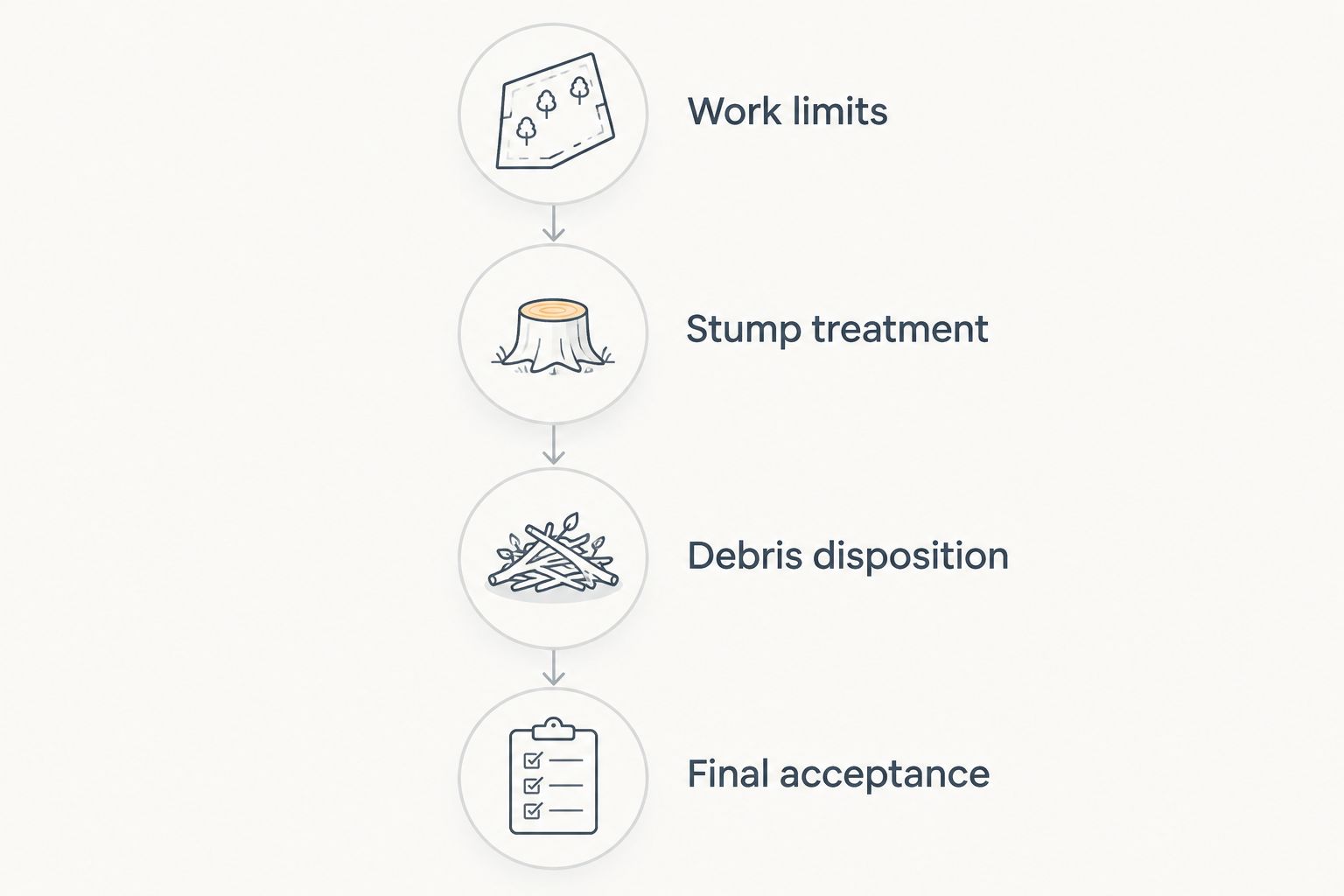
Compare these proposal details:
- Work limits and specifically excluded areas.
- Clearing method and retained-tree protection.
- Stump treatment and debris disposition.
- Access arrangements and surface protection.
- Exclusions and change-approval procedures.
- The condition required for final acceptance.
7. Inspect the result against the approved plan
Arrange a walkthrough with the authorized association representative when the contractor says the work area is ready for inspection. Keep residents outside restricted areas until the contractor confirms access is appropriate. Use the original scope and photos rather than judging completion from appearance alone.
Record unfinished items separately from new requests. Removing additional trees or changing debris handling after approval is a scope change, not automatically a correction. Keep the final record with the association's project documents so the next board understands what was completed and what maintenance remains.
Use this closeout list:
- Check the agreed work boundary and retained vegetation.
- Confirm the specified stump treatment.
- Verify the agreed debris disposition.
- Record damage concerns and unresolved work items.
- Identify responsibility for restoration and future maintenance.
Compare clearing options for association property
Choose the method after defining the site's intended use. Selective clearing is the starting option when your association wants to retain trees or screening; full clearing requires a separate justification. Neither approach automatically includes stump removal, grading, or restoration.
| Option | Best for | Main advantage | Key limitation |
|---|---|---|---|
| Selective clearing | Common areas where specified trees and screening must remain | Limits removal to the approved vegetation | Requires clear marking and protection requirements |
| Brush cutting | Areas needing removal of unwanted above-ground growth | Addresses brush without automatically specifying root removal | Remaining roots and stumps need separate consideration |
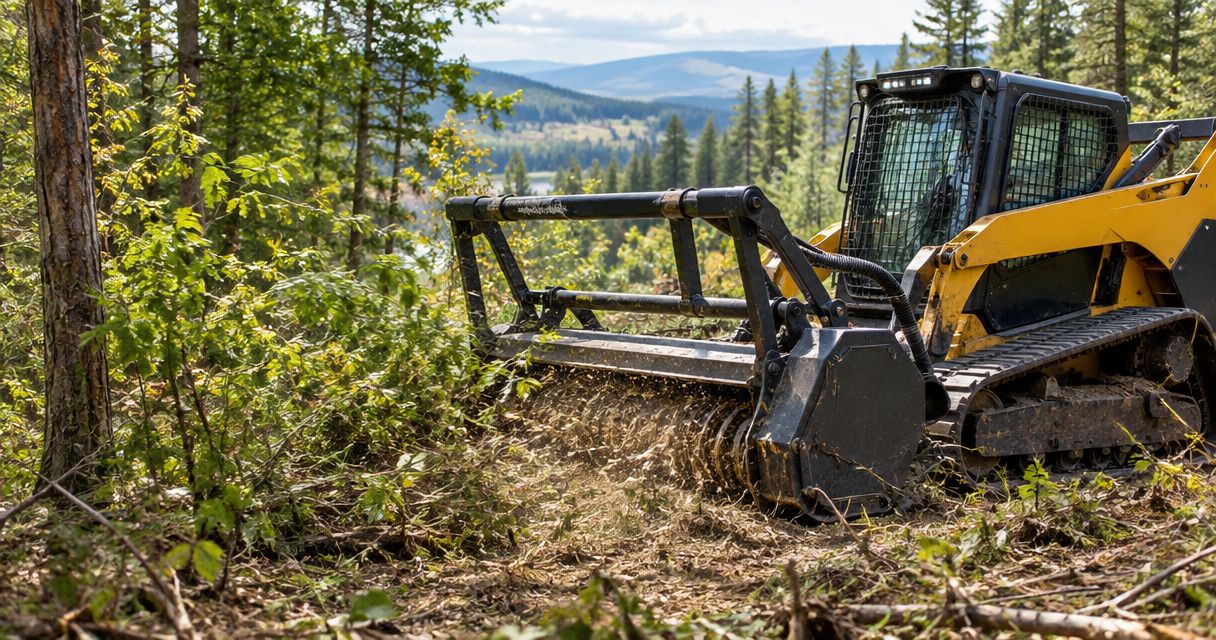
| Forestry mulching | Areas where processed vegetation can remain on the ground | Processes vegetation into material left on site | Does not establish construction-ready soil or stump removal |
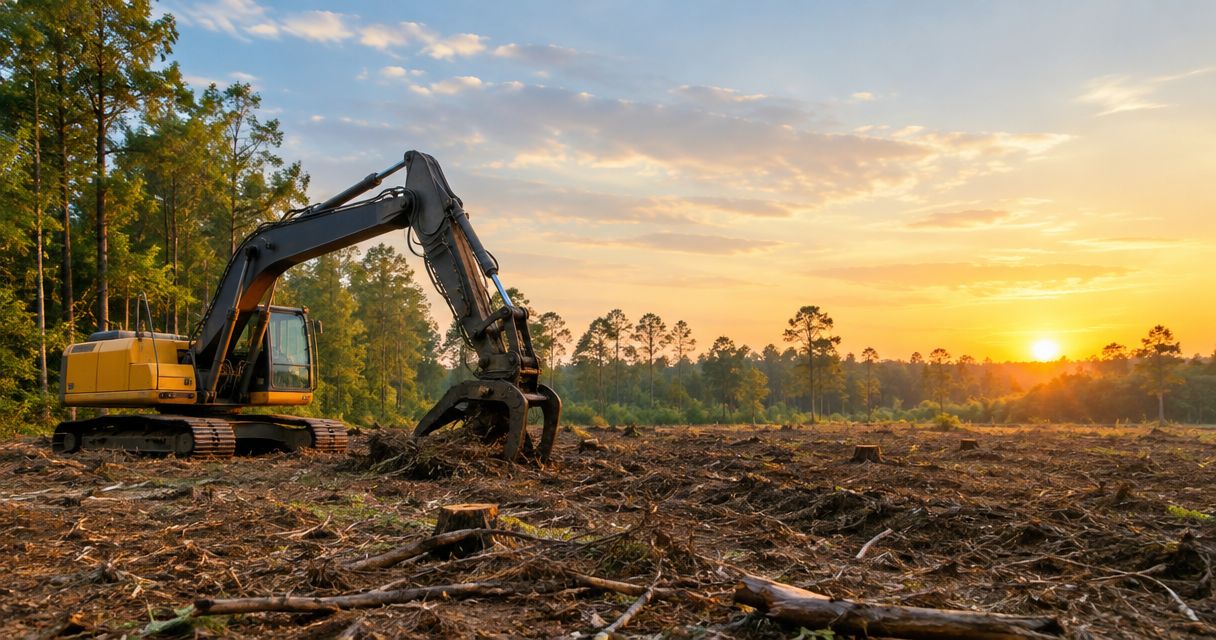
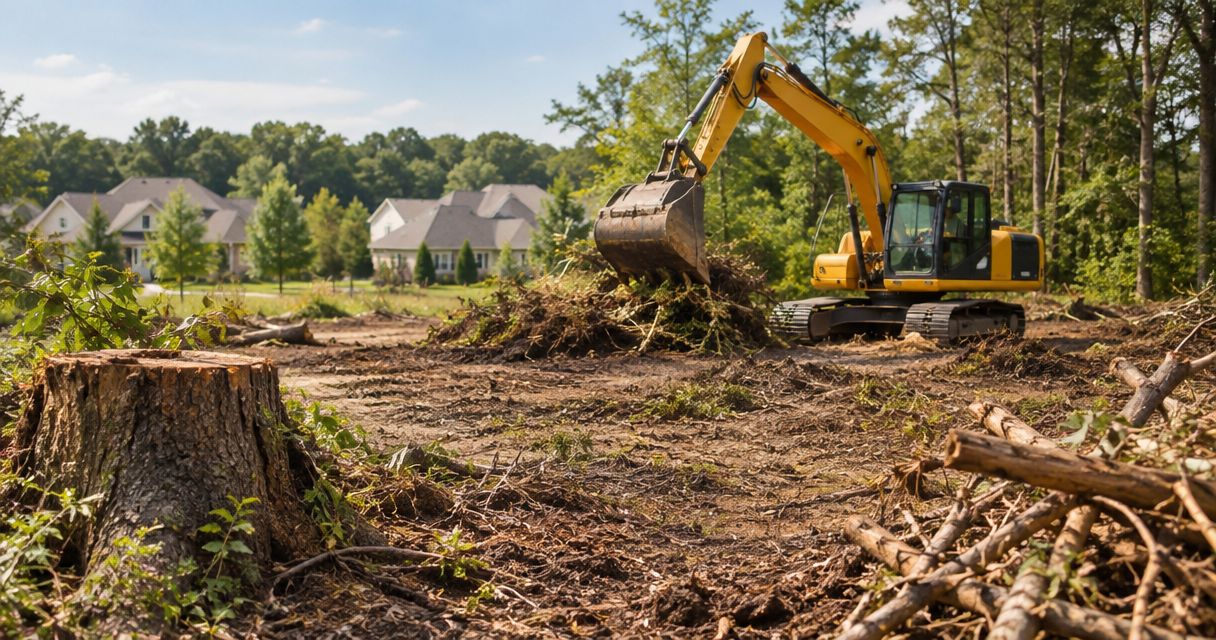
| Full vegetation clearing | A defined area where retained vegetation conflicts with the approved use | Removes vegetation across the agreed footprint | Needs explicit stump, debris, and soil-finish instructions |
| Phased clearing | Associations dividing a project into separately approved areas | Allows the board to evaluate one area before approving another | Each phase needs its own access and completion arrangements |
Ask which methods fit the actual site rather than specifying equipment from photos. A tree-services inquiry with Pmmidlands still needs confirmation of the requested work; do not assume that every clearing method or follow-on task is included.
Common mistakes HOA boards make
Treating resident support as formal authorization
A resident petition or an informal conversation does not establish who can approve work on association property. Follow the association's decision process and record the approved boundary and scope. Give the contractor a clearly identified decision-maker.
Removing a privacy screen unintentionally
Overgrown vegetation can also separate homes from shared paths or parking. Mark screening to retain before the assessment and discuss whether the proposed work conflicts with that goal. Do not leave that decision to a general instruction to tidy the area.
Comparing proposals with different endpoints
A proposal that leaves cut material on site is not the same scope as one that removes it. The same applies to stumps and restoration. Resolve those differences before the board chooses a proposal.
Assuming clearing repairs drainage
Vegetation removal is not a drainage design. If standing water, erosion, or runoff is part of the problem, identify that concern before approving work and obtain appropriate specialist advice. Keep clearing and drainage responsibilities distinct.
Notifying residents before the plan is settled
Premature notices create expectations about access, retained trees, and completion. Communicate the approved scope first, then provide confirmed work arrangements. Use the association contact to document requests instead of letting individual residents redirect the crew.
Request a site-specific assessment
Prepare a marked plan, safe-location photos, and a written description of the finish you want. Ask what the site assessment must resolve, what the proposed work includes, and which responsibilities remain with the association.
Pmmidlands serves the confirmed South Carolina counties listed above. Keep your inquiry focused on the property's location, the tree-service work requested, and the access or protection issues the assessor needs to see.
Request a site-specific assessment
Discuss the work area, retained trees, access limits, and the finish your association needs.
FAQ
What's the best approach to lot clearing for HOA communities?
The best approach starts with the intended use, confirmed work boundaries, and a written description of the finished site. Selective clearing fits projects that retain trees or screening; broader removal needs explicit decisions about stumps, debris, and restoration.
Does an HOA need approval before clearing common land?
An HOA should confirm its internal authorization and applicable local requirements before approving clearing. Review governing documents, property records, easements, and any requirements identified by the responsible authority.
Can our HOA get a clearing quote from photos?
Photos help explain the proposed work, but they do not replace a site assessment for unresolved site conditions. Show the overall area, access routes, and nearby features needing protection without approaching hazardous trees.
Does lot clearing include stump removal and hauling?
Stump removal and hauling are included only when the written proposal specifies them. Ask separately about stump treatment, cut material, cleanup, and the finished ground condition.
Is forestry mulching better than full clearing for common areas?
Forestry mulching fits areas where processed vegetation can remain on the ground; full clearing addresses a different removal scope. Neither description alone establishes that the land will be ready for construction or that stumps will be removed.
Who should coordinate the contractor for an HOA clearing project?
One authorized association representative should coordinate contractor questions and scope changes. Residents can submit concerns through that contact instead of giving conflicting instructions at the work area.
What should our board prepare before contacting Pmmidlands?
Prepare the property location, a marked work area, safe-location photos, and a description of the requested tree-service work. Pmmidlands serves Richland, Lexington, Newberry, Orangeburg, Sumter, Kershaw, and Fairfield counties in South Carolina.
One last thing
Specify what must remain as carefully as what must go. A retained-tree list, a protected screening strip, and an agreed debris location give your 2026 clearing plan a clearer endpoint than a broad request to clean up common land. Put those decisions on the map the contractor will use.